
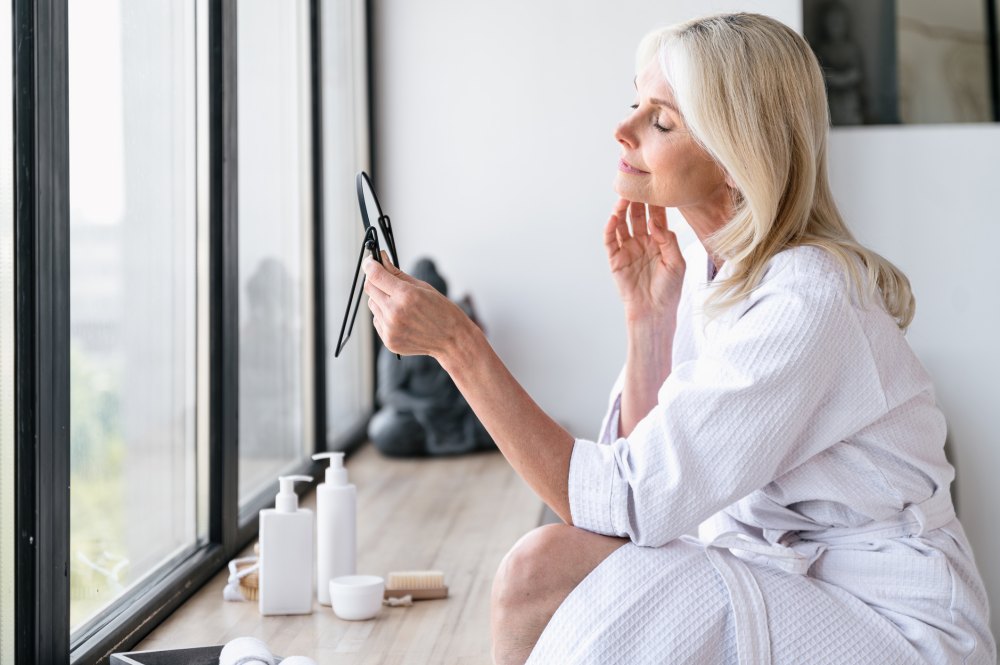
I’ll be honest: a lot of the “self-care” tasks that we do are downright boring to me. It’s one of the reasons I usually just let my hair dry on its own because halfway through I’m ready to move on to something more interesting. This extends to things like putting on lotion after a shower or doing any kind of mask that requires just sitting and waiting. Yes, I know that skin hydration – especially winter skin hydration – is important. But….
Unfortunately, this dislike of these kinds of tasks has backfired on me as I have gotten older. And living in a cold climate in the winter.
I’ve been in Ohio now for sixteen years and have had to learn that there are some tasks that just need to be done. And in the process of doing them, I’m learning that boring tasks don’t have to be boring. My lack of patience is what makes them seem boring to a woman who has always sought ways to be more efficient.
Instead I have found that tending to myself is an act of honoring myself. And to help ensure that my skin stays soft and supple instead of dry, red, itchy, and angry! So, in honor of winter—and thanks to some advice from both my dermatologist and esthetician recently—I want to help you curate the habit of better hydrated skin.
Here are nineteen tips to help with winter skin hydration.
One – Protect Your Skin from the Wind
Winter winds can be harsh, stripping moisture from even the healthiest skin. Covering your face with a scarf or wearing gloves isn’t just cozy. It’s a crucial step in preventing dryness and irritation. Think of it as armor for your skin: the more exposed you are to cold gusts, the more moisture your skin loses, so bundling up can make a noticeable difference in hydration.
Two – Avoid Hot Water
Hot showers might feel amazing in the moment, but they can actually rob your skin of its natural oils, leaving it tight and dry. Stick to short, lukewarm showers to help maintain your skin’s moisture barrier while still feeling refreshed. This small adjustment can reduce flakiness, redness, and that uncomfortable “dry winter skin” feeling we all know too well.
Three – For Better Winter Skin Hydration Consider Showering Less Often
It might sound counterintuitive, but allowing your body’s natural oils to do their job is one of the simplest ways to keep skin hydrated. Over-showering or daily scrubbing can strip these protective oils and make your skin more prone to dryness. If you aren’t working out or sweating daily, try cutting back to a shower every other day. Yes, you can still wash your private parts without taking a shower (or bath).
By cutting a single shower session a week or skipping harsh cleansers, you give your skin a chance to stay soft, smooth, and naturally moisturized.
Four – Be Gentle with Yourself
How you handle your skin right after a shower can make a huge difference in hydration. Instead of rubbing vigorously with a towel, gently pat your skin to leave some of the moisture intact. Meaning: leave your skin slightly damp. This simple step allows water to absorb into the top layer of your skin, giving it a head start on staying soft and healthy. Over time, this small habit can prevent irritation, redness, and the tight, scratchy feeling that so often accompanies winter dryness.
And if you have the time (and patience) consider adding body oil or lotion to your skin while it’s still damp to help with the absorption.
Five – Use Gentle Cleansers
Not all soaps are created equal, and many can strip your skin of its natural oils. Scented or antibacterial soaps, especially on your hands, may actually make dryness worse despite their germ-fighting claims. For many years I’ve had a topical steroid prescription to combat the eczema that flairs win the winter.
My dermatologist even recommended swapping standard hand soap for something like “CeraVe Hydrating Cream-to-Foam Face Wash with Hyaluronic Acid.” Choosing gentle, fragrance-free cleansers helps maintain your skin’s barrier while still keeping it clean, and over time you’ll notice softer, less irritated skin. (I sure have!)
Six – Moisturizing is a Must for Winter Skin Hydration
Moisturizing while your skin is still slightly damp is one of the simplest yet most effective ways to lock in hydration. Cream-type moisturizers generally perform better than lotions for normal to dry skin because they provide a richer layer of protection. If your skin is sensitive, fragrance-free options are the safest bet, preventing irritation while still delivering the moisture your skin craves.
Seven – Invest in Single-Purpose Products
Not all skin is the same, and neither are the products you put on it. The skin on your hands, feet, and lips is thinner or thicker in different ways, so using products designed for each area ensures better hydration and protection. Travel-sized versions are perfect for tossing in your purse or keeping at your desk, so you can moisturize on the go without skipping a beat. These small, targeted steps can make a huge difference in keeping dry areas from cracking or becoming irritated during harsh winter months.
Eight – Protect Your Lips
Winter air is especially unforgiving to lips, leaving them chapped, dry, or even cracked. While I love lipstick as much as anyone, nothing beats a good lip balm with active ingredients like shea butter or SPF during the colder months. Applying it frequently throughout the day keeps lips soft, nourished, and ready for any seasonally inspired shade you want to wear. Think of it as hydration for one of the most delicate areas of your body—your lips will thank you.
Better yet keeping your lips moisturized also will help reduce cold sores. My cold sores always flair when my lips get dry and chapped. To me, that’s a bonus side benefit to better winter skin hydration.
Nine – Use Overnight Treatments
Overnight treatments are a secret weapon for combating dryness, giving your skin extra time to absorb moisture and replenish itself while you sleep. Emollients, which are heavier creams or ointments, are especially effective for deep hydration because they remain on the skin longer. Applying these treatments at night ensures your skin wakes up soft, supple, and rejuvenated, making it easier to tackle winter dryness without constantly reapplying throughout the day.
(This is my current go to treatment: Estée Lauder’s Advanced Night Repair Moisturizing Overnight Face Mask Treatment with Hyaluronic Acid – and it’s made a huge difference in my winter skin hydration!)
Ten – Exfoliating Can Help Winter Skin Hydration
Exfoliation can be a game-changer for winter skin, especially if it’s looking dry, flaky, or dull. Gentle chemical exfoliants, such as AHAs or BHAs, work to remove dead skin cells without compromising your skin’s moisture barrier. Avoid harsh scrubs with large particles, which can tear or irritate your skin, and if your skin is cracked, raw, or inflamed, hold off on exfoliating until it’s healed to prevent further damage.
Eleven – Yet Also Go Easy on Exfoliants and Scrubs
Even with the gentlest products, over-exfoliating is a real risk. Too much exfoliation can strip your skin of natural oils, leaving it dry, sensitive, and more prone to irritation. Aim to exfoliate only as needed and always follow up with a good moisturizer to help your skin retain hydration and stay smooth and vibrant.
Twelve – Add Occlusives if Needed
If emollients alone aren’t keeping your skin soft, occlusives are your next line of defense. These ingredients form a protective barrier on the skin to lock in moisture, preventing it from evaporating into the dry winter air. Examples include shea butter, rosehip oil, and petroleum jelly-based products like Aquaphor.
I often layer a thin coat of Aquaphor over lighter ointments or creams at night (especially on my hands) to give my skin maximum hydration while I sleep.
Thirteen – Use a Humidifier
Dry indoor air is one of the biggest culprits for winter skin dryness, pulling moisture straight from your skin. Using a humidifier adds moisture back into the air, helping your skin stay hydrated throughout the day. If you have a furnace, consider a whole-house humidifier, and remember to keep it clean and replace the water panel regularly to avoid mold and bacteria buildup. Even a small bedside humidifier can make a noticeable difference in keeping skin soft and comfortable.
Fourteen – Hydrate from the Inside
Drinking enough fluids is one of the simplest yet most overlooked ways to keep your skin healthy and glowing. Water, herbal teas, and other hydrating beverages help maintain your skin’s elasticity and prevent dryness caused by dehydration. Skipping hydration doesn’t just affect your energy—it can make your skin look dull, flaky, and more prone to irritation, so make sipping throughout the day a priority.
Fifteen – Focus on Nutrient-Rich Foods
What you eat shows up on your skin, especially during the winter months. Foods rich in antioxidants and omega-3 fatty acids, like berries, leafy greens, and fatty fish, help protect skin cells from environmental damage and support the creation of healthy new cells. A nutrient-rich diet works hand-in-hand with your skincare routine to keep your skin looking vibrant, resilient, and naturally hydrated.
Sixteen – Consider Supplements for Better Winter Skin Hydration
When your diet alone isn’t enough, supplements can help support hydration from the inside out. Biotin, collagen, Vitamin D, and fish oil are popular options that may benefit skin health, elasticity, and moisture retention. As with any supplement, it’s important to check with your doctor before adding new products to your routine to ensure safety and effectiveness.
Seventeen – Opt for Non-Irritating Fabrics
The clothes you wear can make a bigger difference to your skin than you might think. Harsh, scratchy fabrics can irritate already dry skin, so choose loose, comfortable materials like cotton or bamboo. You may also need to switch to unscented laundry detergent, such as “Free & Clear,” to avoid additional irritation from fragrances and chemicals that can leave your skin feeling tight and itchy.
Eighteen – Adjust Your Skin Care Routine
Your skin’s moisture barrier is the foundation for all other skincare steps, so it’s essential to keep it healthy, especially during the dry winter months. If your face feels sensitive or irritated, it’s a good time to simplify your routine and focus on gentle, hydrating products. Avoid anything with fragrance, alcohol, or harsh chemicals, as these can strip your skin and worsen dryness. By streamlining your regimen, you allow your skin to recover and respond better to the serums, toners, and treatments you use.
Nineteen – Create a Full-Body Skin Care Routine
Many of us are diligent about our facial care but neglect the rest of our body, which can suffer just as much from winter dryness. This season is the perfect opportunity to build a full-body routine, from neck to toes, using moisturizers, oils, and treatments appropriate for each area. Caring for every inch of your skin not only keeps it hydrated and healthy, but also gives you a sense of self-care that goes beyond the face—making your whole body feel nourished and protected.
Winter skin hydration doesn’t have to feel complicated or overwhelming.
With the right habits, simple products, and a little daily attention, you can protect your skin from dryness, irritation, and flakiness all season long. From covering up against harsh winds to moisturizing right after a lukewarm shower, each step adds up to healthier, softer, and more resilient skin. The key is consistency and listening to what your skin needs, rather than trying to do everything at once.
No matter how young or old you are, ensuring your skin stays healthy and hydrated will go a long way toward making you feel good in your body. Hydration isn’t just about what you put on your skin—it’s also about what you do for your body. Drinking enough water, eating nutrient-rich foods, and even using targeted supplements all support your skin from the inside out. Adding gentle exfoliation, occlusives, and overnight treatments helps maintain that moisture, while a simplified, full-body routine ensures that every inch of skin is cared for. Winter skin hydration is truly about combining small, effective habits that fit into your daily life.
By approaching winter skin hydration as a holistic practice, you can transform those “boring” self-care tasks into moments of nourishment and care. Treat each step as a mini act of self-kindness—patting your skin dry, applying a balm, or layering on cream before bed. Over time, these small efforts create a noticeable difference in texture, softness, and overall skin health. With a little planning, the right products, and mindful daily habits, you can glide through winter with skin that feels hydrated, protected, and glowing.
Caring for Yourself Will Always Help You Love Your Life
Snag a free workbook and get inspiration on all the ways to love your life even more.
>>Click Here to Discover More Ways to Love Yourself and Your Life <<
You May Also Find These Articles Helpful
 Drink More Water in Winter: Stay Hydrated & Boost Energy
 How to Stay Motivated in Winter: Beat the Seasonal Slump
 Got the Winter Blues? Here’s 15 Ways to Combat Them
 Journal Prompts to Fight the Winter Blues: MBTI-Inspired Reflections for Every Personality Type
 Harnessing the Magic of Winter Solstice as a Path to Loving Your Life