
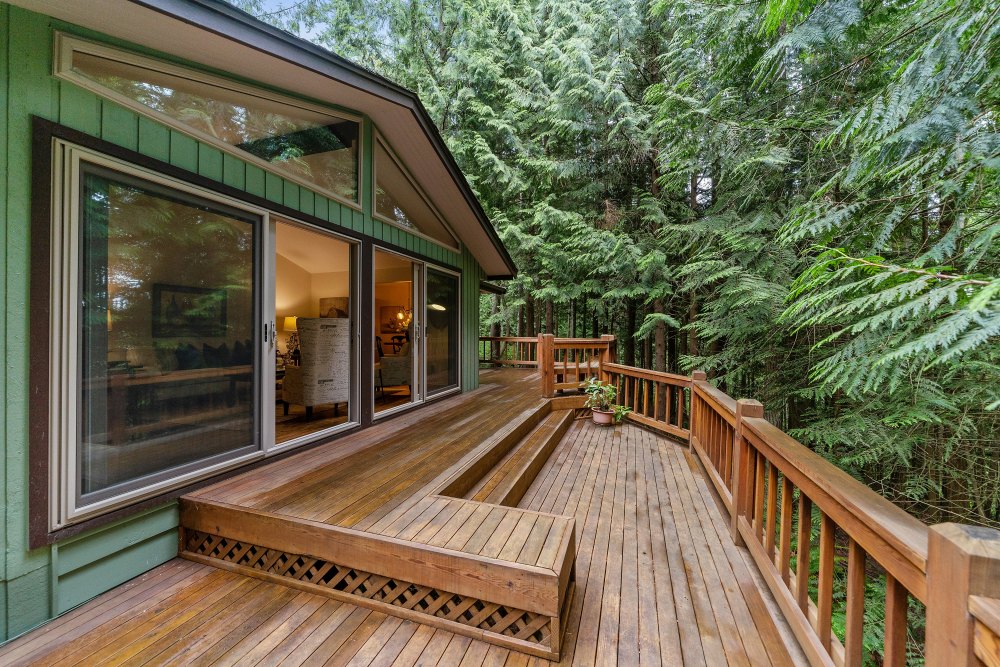
An old deck can quietly become a problem. At first, it may just look worn. Over time, boards loosen, railings wobble, and the space stops feeling safe or inviting. Many homeowners delay action because they think the only option is a full teardown—but that’s not always the case.
Today, there are modern solutions that can transform outdated deck structures into safe, stylish, and functional outdoor spaces. Whether the deck is structurally tired, visually dated, or no longer fits your lifestyle, smart upgrades can make a dramatic difference.
This guide explains the most effective modern approaches—without hype, sales talk, or unnecessary complexity.
Signs Your Deck Is Truly Outdated
Before choosing a solution, it’s important to understand what “outdated” really means.
Common warning signs include:
-
- Soft, splintering, or cracked boards
- Rusted fasteners or loose railings
- Uneven or sagging sections
- Faded surfaces that no longer clean well
- Designs that block views or limit space
Some decks fail only on the surface. Others have deeper structural issues that require more serious attention.
Start With a Structural Assessment
Modern solutions always begin with safety.
Even if a deck looks fine, hidden problems may exist below the surface. Moisture damage, shallow footings, or outdated building methods can weaken the structure over time.
A proper assessment checks:
-
- Support posts and footings
- Joists and beams
- Ledger board connections
- Stair framing
- Guardrail stability
Many homeowners consult deck renewal professionals at this stage to determine whether the frame can be reused or if a full rebuild makes more sense.
Solution 1: Replacing the Surface While Keeping the Frame
If the deck’s foundation is still solid, replacing only the surface can be a smart, modern solution.
This approach focuses on:
-
- Removing old decking boards
- Installing new, durable materials
- Updating railings and stairs
Benefits include:
-
- Lower cost than full replacement
- Faster project timeline
- Major visual improvement
This option works best when structural elements meet current safety standards.
Solution 2: Upgrading to Low-Maintenance Materials
One of the biggest complaints about older decks is upkeep. Traditional wood requires regular staining, sealing, and repairs.
Modern materials reduce maintenance dramatically.
Popular upgrades include:
-
- Composite decking
- PVC decking
- Aluminum rail systems
Advantages:
-
- Resistance to rot, insects, and moisture
- Consistent color over time
- Easy cleaning
Homeowners often turn to outdoor living upgrade specialists for guidance on choosing materials that balance appearance, durability, and long-term value.
Solution 3: Modernizing Railings for Safety and Style
Railings have changed a lot over the years. Old designs can feel bulky, block views, and fail to meet current safety standards.
Modern railing options include:
-
- Cable rail systems
- Glass panels
- Slim metal balusters
- Mixed material designs
These updates:
-
- Improve safety
- Open up sightlines
- Instantly modernize the deck’s look
Railings alone can completely change how a deck feels, even if the layout stays the same.
Solution 4: Redesigning the Layout to Match Today’s Lifestyle
Many older decks were built small and simple. Modern outdoor living often calls for more flexibility.
Layout upgrades may include:
-
- Expanding the deck footprint
- Adding multiple levels
- Creating zones for dining and lounging
- Improving stair placement
These changes help the deck function better for entertaining, family time, and everyday use.
A thoughtful redesign is often handled by deck transformation contractors who understand how structure and flow work together.
Solution 5: Strengthening the Frame for Long-Term Use
Even if a full replacement isn’t required, reinforcing the structure can extend the deck’s lifespan.
This may involve:
-
- Adding support posts or beams
- Replacing weakened joists
- Updating connectors and fasteners
- Improving load distribution
These behind-the-scenes upgrades don’t change appearance much, but they significantly improve safety and durability.
Solution 6: Improving Drainage and Moisture Protection
Older decks often trap moisture, which leads to rot and failure over time.
Modern solutions focus on water management.
Upgrades can include:
-
- Improved spacing between boards
- Drainage systems under elevated decks
- Moisture-resistant flashing
- Better airflow beneath the structure
Managing water properly protects both the deck and the home itself.
Solution 7: Updating Stairs for Comfort and Code Compliance
Stairs are one of the most common failure points on older decks.
Modern stair upgrades focus on:
-
- Proper rise and run dimensions
- Secure handrails
- Non-slip surfaces
- Better lighting
Safe, comfortable stairs improve access and reduce risk—especially for children and older adults.
Solution 8: Adding Lighting for Function and Ambiance
Lighting was often an afterthought in older deck designs. Today, it’s considered essential.
Modern deck lighting options include:
-
- Step lights
- Railing lights
- Post cap lights
- Subtle accent lighting
Benefits:
-
- Improved nighttime safety
- Extended usability
- Enhanced atmosphere
Lighting upgrades are relatively low-impact but high-value.
Solution 9: Making the Deck More Weather-Resistant
Older decks often weren’t designed for long-term exposure to harsh weather.
Modern improvements help decks hold up better over time:
-
- Weather-resistant materials
- UV-stable finishes
- Proper slope for water runoff
These changes reduce repairs and extend the deck’s usable life.
Solution 10: Knowing When Full Replacement Is the Best Option
Sometimes, modern solutions mean starting fresh.
Full replacement may be the better choice when:
-
- The structure no longer meets safety standards
- Repairs would cost nearly as much as rebuilding
- The layout no longer works at all
- Materials are beyond salvage
In these cases, a complete rebuild allows for a safer structure and a design that truly fits modern needs.
Common Mistakes to Avoid
When updating an outdated deck, homeowners should avoid:
-
- Covering structural problems with cosmetic fixes
- Mixing incompatible materials
- Ignoring local building codes
- Delaying repairs once safety issues appear
Modern solutions work best when they’re applied thoughtfully and correctly.
Why Modern Deck Solutions Are Worth It
Updating an outdated deck isn’t just about appearance.
The right improvements:
-
- Increase safety
- Reduce maintenance
- Improve daily enjoyment
- Add long-term home value
A deck should feel solid, comfortable, and welcoming—not like a risk you avoid using.
Final Thoughts
Outdated deck structures don’t always need to be torn down and forgotten. With modern materials, better design, and smarter construction methods, many decks can be transformed into spaces that feel new again.
Whether the solution is resurfacing, reinforcing, redesigning, or rebuilding, the key is choosing an approach that fits the condition of the structure and the way you want to use the space.
When done right, modern deck solutions don’t just fix old problems—they create outdoor spaces worth enjoying for years to come.
Want to know more ways to manage your home?
Snag a free workbook and get inspiration on all the ways to love your life even more.
>>Discover More Ways to Love Your Life and Yourself<<