
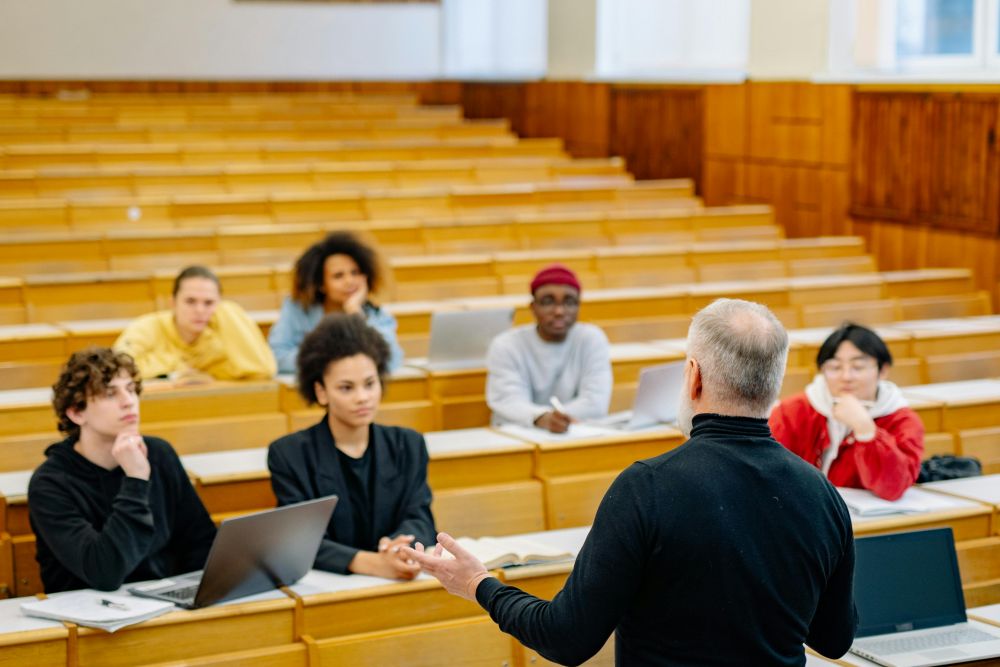
Higher education is often seen as a way to gain knowledge, but its lasting value lies in how it develops the ability to think critically and independently. University study goes beyond grades and qualifications by teaching students how to question ideas, analyze information, and make informed judgments. These skills are useful not only in academic settings but also throughout professional careers and everyday decision-making.
Analytical and independent thinking develop through structure and practice, not by chance. Colleges and universities create learning environments that encourage careful reasoning, thoughtful discussion, and problem-solving. Through coursework, research, and guided challenges, students move beyond surface learning. This process helps build the essential thinking skills needed to adapt, evaluate information, and approach complex issues with confidence.
One – Curriculum Designed to Challenge Assumptions
University courses are designed to move students beyond memorization. Instead of accepting information at face value, students are encouraged to ask questions and test ideas. Readings, lectures, and assignments often present multiple viewpoints on the same topic. This approach challenges existing assumptions and helps students recognize bias or weak reasoning. Over time, learners become more comfortable evaluating ideas on their own. This repeated exposure to critical questioning strengthens analytical thinking and builds confidence in independent judgment.
Two – Deep Engagement with Complex Subjects
Some academic disciplines require students to work closely with complex material that has no single correct answer. These subjects encourage careful reading, thoughtful analysis, and clear reasoning. Students learn to evaluate sources, compare interpretations, and support conclusions with evidence. A strong example is the Bachelor of Arts in History, which emphasizes close analysis of historical sources, research writing, and interpretation of different perspectives. Through structured coursework and guided research, students learn how to think independently, weigh evidence carefully, and present well-supported arguments.
Three – Encouragement to Form and Defend Personal Arguments
Higher education places strong emphasis on writing and discussion. Essays, presentations, and class debates require students to form their own viewpoints and explain them clearly. Simply repeating information is rarely enough. This process teaches students how to organize ideas and support claims with logic and evidence. Feedback from instructors helps refine thinking and communication. Over time, students gain confidence in expressing ideas and defending them thoughtfully, which strengthens both analytical skill and independence.
Four – Exposure to Diverse Perspectives and Ideas
University learning environments introduce students to a wide range of cultural, social, and intellectual perspectives. Courses often include authors, theories, and case studies from different backgrounds and time periods. Engaging with unfamiliar ideas encourages students to reconsider their own views. This exposure builds openness and helps learners understand complex issues from multiple angles. By comparing perspectives, students sharpen their ability to analyze information and make informed, independent conclusions.
Five – Collaborative Learning That Encourages Critical Dialogue
Collaborative learning plays an important role in higher education. Group discussions, team projects, and peer feedback activities require students to listen carefully and share ideas clearly. Exposure to different viewpoints encourages students to think more deeply about their own opinions. When ideas are discussed openly, students learn how to explain their reasoning and consider alternative perspectives. This process strengthens analytical skills and helps students refine their thinking. Collaborative learning also encourages reflection and informed decision-making, which supports independent thought and confidence.
Six – Research Assignments That Build Investigation Skills
Research assignments are a central part of university study. Students are asked to locate reliable sources, review existing knowledge, and develop their own conclusions. This process teaches them to question information rather than accept it without evaluation. Research tasks also require organization, planning, and careful attention to detail. Over time, students become better at evaluating evidence and identifying strong arguments. These skills support independent thinking and help students make well-informed decisions based on facts and analysis.
Seven – Guidance From Faculty That Sharpens Thinking
Faculty guidance plays a key role in shaping analytical skills. Instructors challenge students with thoughtful questions and provide feedback that encourages deeper thinking. This guidance helps students identify weaknesses in their reasoning and improve how they approach complex topics. Regular interaction with faculty builds confidence and strengthens communication skills. Students learn how to revise ideas, respond to feedback, and refine their arguments. Over time, this support encourages independent thinking and helps students take greater responsibility for their learning.
Eight – Real-World Applications of Analytical Thinking
Higher education often connects academic learning with practical experience. Internships, case studies, and project-based assignments allow students to apply concepts outside the classroom. These experiences demonstrate how analytical thinking works in real situations. By addressing real challenges, students learn how to adapt ideas and solve problems independently. This connection between theory and practice strengthens understanding and builds confidence. Applying knowledge in real-world settings prepares students to handle complex situations beyond academic environments.
Nine – Reflection That Encourages Self-Directed Learning
Reflection is an important part of academic growth. Journals, self-assessments, and reflective essays encourage students to think about how they learn and why certain ideas matter. This process supports deeper understanding and personal responsibility. Reflective work helps students identify strengths and areas for improvement. By evaluating their own progress, learners become more self-directed. This habit supports lifelong learning and strengthens independent thinking long after formal education ends.
Ten – Capstone Projects That Integrate Learning
Many programs include a final project that brings together knowledge from multiple courses. These projects require planning, research, and independent effort over an extended period. Students must manage time, set goals, and solve problems on their own. Capstone experiences demonstrate how analytical and independent thinking work together. By completing a large project independently, students show their ability to apply learning in a meaningful and organized way.
Higher education plays a vital role in shaping how students think.
Through structured coursework, research, discussion, and reflection, learners develop strong analytical and independent thinking skills. These abilities extend beyond the classroom and support success in many areas of life. By encouraging questioning, evidence-based reasoning, and self-directed learning, universities prepare students to face complex challenges with confidence. The habits developed through higher education remain valuable tools for lifelong growth and informed decision-making.
Want to learn more tips and tricks for
encouraging learning and loving life?
Snag a free workbook and get inspiration on all the ways to love your life even more.
>>Click Here to Discover Additional Strategies for Managing Stress, Anxiety, and Burnout <<