
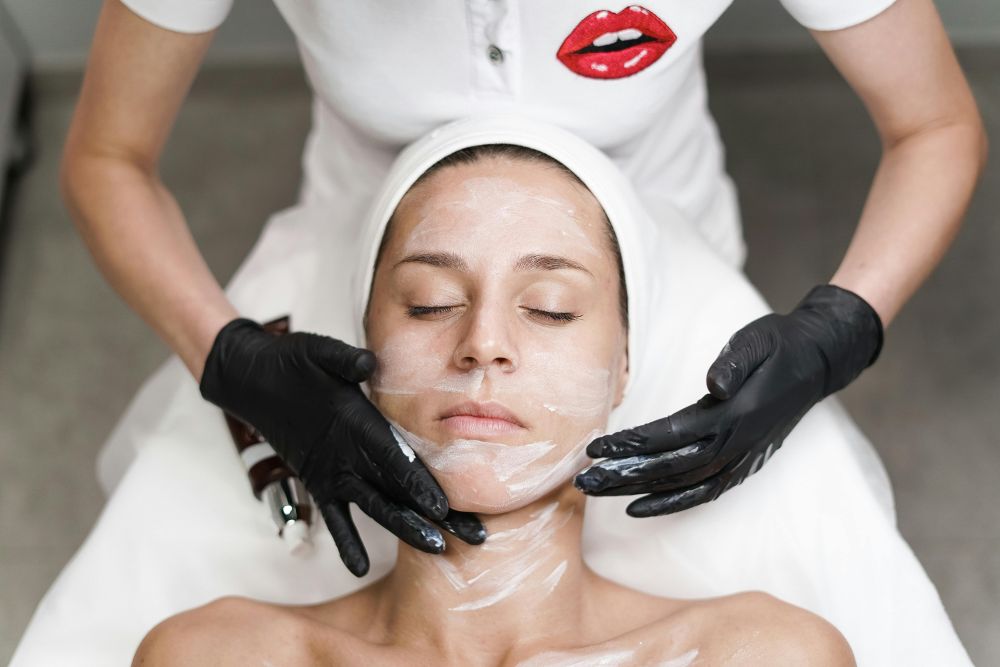
A career in beauty offers tangible opportunities for people who want work that involves skill and direct impact. The beauty industry includes roles that range from hands-on technical services to creative and consultative work. This blog lays out reasons someone might find fulfillment and success in such a career path. The focus here is on observable aspects of the work and the returns professionals experience in daily practice and long-term growth.
Steady Demand and Continued Growth
Beauty careers have a strong, long-term demand for their services across many areas and markets. Once established, hair, skin, nail, and other related service businesses typically remain viable regardless of shifting trends and fads; therefore, they are less likely to be affected by economic downturns. Clients are always seeking ongoing maintenance, as well as specialty services. These constant flows of clients help support reliable incomes for professionals in these careers. Professionals working in beauty-related careers benefit from the reliability of having a stable client base, which also helps mitigate the unpredictability of working in some other industries.
Variation of Work Responsibilities
The responsibilities associated with working in beauty careers can differ significantly from one day to another. A professional may perform technical procedures, interact with clients, or manage scheduling and inventory. This variety can minimize boredom and monotonous aspects of a career. The varying nature of the work responsibilities is an attractive aspect to individuals who enjoy experiencing change in their daily work environments. Over time, this variety of responsibilities will assist the professional in developing a wide range of competencies. It provides a dynamic experience of work in a very tangible way.
Skill-Based Progression and Certification
A path in beauty requires training, certification, and ongoing learning. Credentials connect directly to the work one can perform. In some cases, professionals advance by adding specialties that are recognized by licensing bodies. In other cases, experience directly enhances efficiency and quality of work. Formal education also clarifies the difference between esthetician and cosmetologist roles, which can shape career decisions. This grounding helps professionals align their training with the services they intend to offer.
Client Relationships and Repeat Business
Many beauty practitioners build relationships with clients who return regularly. Establishing trust and delivering consistent quality makes repeat visits likely. The outcomes clients receive reinforce the practitioner’s role as a reliable provider of care. Over time, these repeat interactions can solidify a schedule and support referrals. This relational aspect of the work is grounded in day-to-day engagement and the cumulative effect of reliable service.
Entrepreneurship and Financial Control
Beauty professionals often have options for business ownership. Owning a salon, renting a chair, or operating an independent practice are common. These models allow practitioners to set pricing, choose service offerings, and adjust schedules to match demand. Control over business operations connects closely with financial outcomes. For people who prefer to influence their work conditions and revenue directly, this can be an effective avenue for long-term financial planning.
Beauty careers present consistent opportunities rooted in observable work outcomes. Demand supports regular practice, and skills improve with experience. Client relationships can sustain repeat work and measured growth in business operations. When someone values clear professional benchmarks, varied work tasks, and practical performance measures, a beauty career can yield sustained fulfillment.
Your career contributes to loving your life even more.
Snag a free workbook and get inspiration on all the ways to love your life even more.
>>Read more Career Advice from a Life Coach that’s Reinvented Herself Multiple Times<<