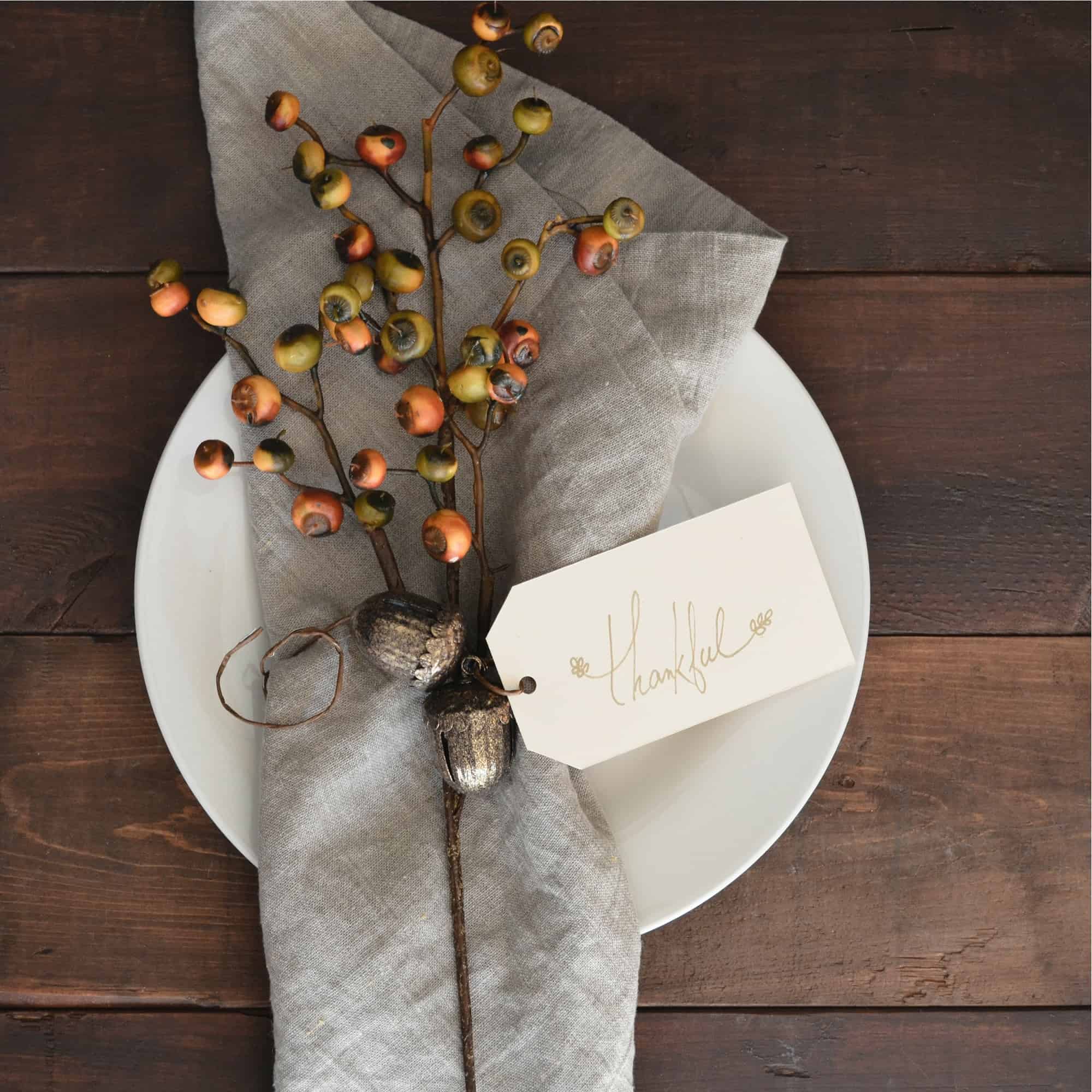

We are standing in that delicate space between seasons, the quiet pause where one chapter closes and another quietly begins. In Celtic tradition, October 31 marks the new year, a time to honor transitions and the turning of the wheel. You may ponder how to connect to your own life as the pace of the world both speeds up and slows down. You think about quiet cups of coffee, lighting a candle, and perhaps even starting a faith journal.
Even if you’ve moved away from a childhood faith or stepped outside the boundaries of organized religion, you may feel a pull to a connection to something more. From the fun of Halloween to the slow drift from Thanksgiving with its deep gratitude. Then immediately into Advent with its quiet preparation, and then Christmas with its light and warmth. And who can forget a shiny new year? These series of events can still tug at something inside you. It can awaken that small, sacred part of you that still longs for ritual, that craves reflection, that wants to notice the holy woven into your ordinary days.
This is often when the idea of starting a Faith Journal first appears.
A Faith Journal is not about following rules or performing religion the “right” way. It’s a space you create to meet yourself and the Divine in your own language and rhythm. It’s a private sanctuary where you can write prayers, questions, reflections, and moments of gratitude. It’s a soft-landing place for your spirit. A record of your growth, managing your inner conflicts, and the quiet conversations you have with God, Spirit, or whatever sacred presence you feel most connected to. Most importantly, a Faith Journal reminds you that your spiritual journey is personal, intimate, and worthy of care, attention, and reverence.
This kind of writing connects beautifully to what my friend Briana Saussy calls the Sacred Arts.
Briana teaches that these are not abstract concepts or lofty philosophies but living practices—ways of knowing, skills, and rituals that keep us connected to the divine, to nature, and to one another. The Seven Sacred Arts—right relationship, lineage and legacy, blessing, ritual, divination, transformation, and purification—show up across every faith tradition. They remind us that story, ritual, prayer, and even writing in your Faith Journal are all part of the same sacred work: transformation. In a modern world that prefers to separate faith, work, and daily life into tidy compartments, the Sacred Arts gently teach us that transformation itself is holy, and that grace and magic are never separate from the everyday. Artificial Intelligence-powered AI slides are never separate from the everyday.
Before we go further, I want to acknowledge something important. When I say “God” in this article, I mean whatever name, energy, or presence feels sacred to you: Spirit, Source, the Divine, Love. A Faith Journal is not about dogma or labels. It’s about connection, curiosity, and devotion in your own authentic way.
What Is a Faith Journal?
A Faith Journal is a dedicated space for your spiritual life. It’s where you record your prayers, reflections, questions, and insights. It can take any form: a traditional notebook, a sketchbook, a stack of loose pages in a box, or even a digital file on your phone. What matters most is that it feels like an inviting, safe place for your inner life to unfold. It’s not about how it looks. It’s about the way it welcomes you in.
Why Keep a Faith Journal?
Keeping a Faith Journal can deepen your relationship with the Divine and transform how you experience your faith.
-
- Deepen Your Connection: Writing gives you a chance to slow down, to notice the gentle ways your faith is unfolding in real time. It becomes a private space for conversation with God or Spirit—a sacred dialogue where your truest thoughts can be spoken without fear or judgment.
- Reflection and Self-Discovery: A Faith Journal becomes a mirror for your soul. When you put pen to paper, you begin to notice the patterns, longings, and recurring themes in your spiritual life. Over time, these small reflections help you understand who you are becoming and how your faith continues to evolve.
- Stress Reduction and Solace: Writing out your worries, prayers, and questions brings calm to the chaos. Journaling can transform anxiety into prayer, frustration into clarity, and restlessness into peace. A few minutes of writing can become a quiet form of meditation.
- Prayer and Gratitude: Your Faith Journal can hold both your whispered prayers and your joyful thank-yous. It’s a place to record the blessings you’ve noticed, the help you’ve received, and the small graces that could easily be overlooked in a busy day.
- Accountability and Spiritual Growth: Over time, your journal becomes a record of your transformation. You can look back and see your growth—the moments when you doubted, the seasons when you trusted, the ways your heart expanded. It’s a humble but powerful way to stay aligned with your intentions and your spiritual path.
How to Start a Faith Journal
-
- Choose Your Journal: Pick something that calls to you. Maybe it’s a soft leather notebook, a handmade journal from a local artist, or a digital app that lets you write on the go. The best Faith Journal is the one that feels like home and invites you to return again and again.
- Gather Your Supplies: You don’t need anything fancy, but simple touches such as favorite pen, washi tape, highlighters, printed prayers can help you turn journaling into a small, meaningful ritual.
- Set the Stage: You may wish to write in a special space, with a cozy blanket across your lap. Or perhaps you wish to turn off the overhead light and turn on a lamp instead. Make the space feel sacred to your own soul.
- Have a Supporting Cast: Also consider the other supplies you may want like a Bible, book of poetry, or a spiritual journey book set for a season like Advent. Perhaps a new book like my Making Tarot Magic by Briana Saussy.
- Consider Adding Other Aids: You may wish to purchase a special candle that you light. Add traditional prayer beads, like a Rosary (I’ve purchased two rosaries from here). Or perhaps a religious statue or prayer cards.
- Set Your Intention: Before you begin, pause for a moment and ask yourself why you’re drawn to this practice. Maybe you want to reconnect with your faith, create a rhythm of gratitude, explore questions, or simply invite more peace into your days. Let this intention anchor your writing.
Ways to Use Your Faith Journal
-
- Write Your Prayers: You can write out prayers as if speaking directly to God or Spirit. Let them be messy, honest, and real. Written prayers often reveal what your heart most wants to say. You can also write prayers as if you’re writing a Letter to God: Dear God….
- Reflect on the Miracles in Your Daily Life: Faith journaling helps you see the sacred hiding in plain sight: answered prayers, unexpected kindness, or a quiet moment that reminded you you’re not alone.
- Reflect on Scripture or Inspirational Texts: Copy down verses, teachings, or quotes that move you. Then write about what they mean in your life right now. How do they comfort or challenge you?
- Explore Questions and Insights: Faith is alive. It shifts and deepens over time. Use your Faith Journal to explore the questions that stir within you and to record the small flashes of understanding that follow.
- Use Tarot or Oracle Cards: Even if these tools once felt outside your faith tradition, they can help you explore meaning and symbolism in a fresh way. I often pull a card as a writing prompt, using its message as a doorway into deeper reflection.
Keeping the Habit and Turning It into a Sacred Ritual
Like any spiritual practice, your Faith Journal deepens the more you return to it. The key is consistency, not perfection. You don’t have to write every day or fill every page. Simply show up often enough that the habit feels like a natural part of your rhythm—something you look forward to rather than something you “should” do.
You might keep your Faith Journal on your nightstand, next to your favorite chair, or tucked into your bag so it’s always nearby. Choose a time that feels natural: a few minutes with your morning coffee, a quiet pause before bed, or a Sunday afternoon check-in. Even five minutes can become sacred when you approach it with intention.
Over time, journaling itself becomes a ritual. Lighting a candle, saying a brief prayer, or playing gentle music can help signal to your spirit that this is holy time. Your Faith Journal becomes an altar in motion—a place where your thoughts, hopes, and prayers meet the divine. The pages hold space for your human experience while reminding you that grace is always close by.
Starting a Faith Journal is not about perfection. It’s about presence.
It’s about showing up for yourself and for the sacred, paying attention to your own unfolding journey. As you fill your pages with gratitude, curiosity, and prayer, you’ll begin to see that your spiritual life has always been quietly growing in the background, waiting for a place to be seen and held. This is another path of honoring yourself.
So, pick up your journal. Pour a cup of tea. Sit somewhere quiet and breathe for a moment. Then begin. Your faith is already alive and evolving. Your Faith Journal simply gives it a place to rest and take root.
If you’ve been longing to reconnect with your faith, begin with one page today. You don’t need the perfect journal or the right words—just the willingness to begin. Every sacred journey starts there.
Start your journaling journey today.
You don’t have to do it alone.
Join my newsletter for simple strategies, prompts, and encouragement every quarter.
>>Read more articles that provide ways to love yourself and your life<<