
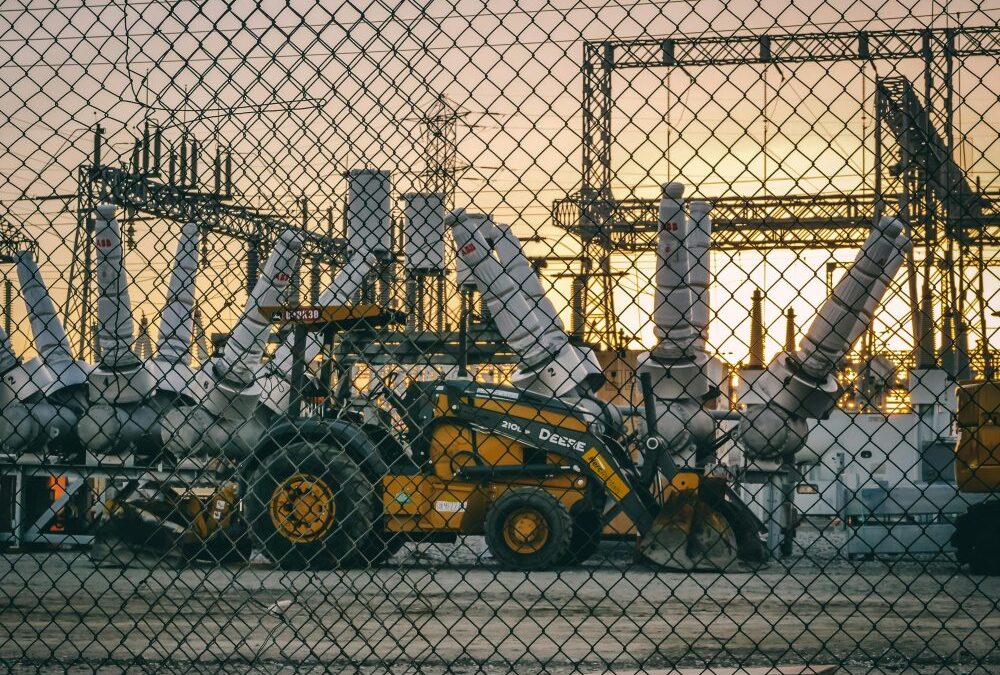
Equipment theft and inventory loss are real risks for many businesses. Construction sites, warehouses, storage yards, factories, and retail backlots often hold high-value items in open or semi-open areas. Without the right protection, these assets become easy targets.
Commercial fencing plays a much bigger role than simply marking property lines. When designed and installed correctly, it becomes a powerful layer of physical security that protects assets, reduces liability, and gives business owners peace of mind.
This article explains how commercial fencing helps protect equipment and inventory, what features matter most, and why fencing is often one of the smartest first investments in site security.
Why Equipment and Inventory Are Common Targets
Before looking at fencing solutions, it helps to understand the risks businesses face.
Equipment and inventory are attractive to thieves because:
-
- They often sit outdoors or near access points
- Heavy machinery and tools can be resold quickly
- Storage areas may be unattended overnight
- Many sites rely only on locks or cameras
Fencing helps address these weaknesses by creating a physical barrier that discourages access before theft even begins.
Commercial Fencing Creates a Strong First Line of Defense
Security works best in layers. Fencing is often the first and most visible layer.
A well-designed fence:
-
- Limits who can enter or exit a property
- Slows down unauthorized access
- Makes suspicious activity easier to spot
- Sends a clear signal that the site is protected
Most opportunistic theft happens when access is easy. Fencing removes that opportunity.
Controlled Access Points Reduce Risk
One of the biggest advantages of commercial fencing is controlled entry.
Instead of open yards or multiple access points, fencing allows businesses to:
-
- Direct all traffic through specific gates
- Lock down areas after business hours
- Monitor vehicle and foot access
When entry points are limited, it becomes much harder for equipment or inventory to disappear unnoticed.
Fencing Helps Protect Outdoor Equipment Yards
Many businesses store equipment outdoors due to size, noise, or operational needs.
This includes:
-
- Construction machinery
- Landscaping equipment
- Delivery vehicles
- Industrial materials
Without fencing, these items are exposed. A secure perimeter keeps equipment inside a defined space, reducing both theft and vandalism.
In many cases, businesses work with commercial fence installation specialists to design layouts that protect assets while still allowing daily operations to flow smoothly.
Visibility and Deterrence Go Hand in Hand
A fence does more than block access—it deters crime.
Clear, visible fencing:
-
- Makes trespassing obvious
- Removes hiding spots
- Increases the chance of being seen
Thieves often look for easy, low-risk targets. A visible barrier signals effort, planning, and security awareness, pushing them to move on.
Inventory Protection for Warehouses and Backlots
Inventory loss is not limited to retail interiors. Backlots and loading areas are frequent targets.
Commercial fencing helps by:
-
- Securing loading docks after hours
- Protecting stored pallets and materials
- Preventing unauthorized after-hours access
Even temporary fencing can provide protection during peak seasons or facility expansions.
Fencing Reduces Internal Theft Risks
Security is not only about outside threats.
Fencing can help:
-
- Separate restricted zones from general work areas
- Limit employee access to high-value inventory
- Track movement through designated entry points
Clear boundaries reduce confusion and improve accountability, which helps protect assets from all sides.
Strong Fencing Supports Surveillance System
Cameras and alarms work best when combined with physical barriers.
Fencing enhances surveillance by:
-
- Defining monitored areas
- Guiding camera placement
- Slowing intruders long enough for alerts to trigger
Without fencing, cameras may record theft without preventing it. Together, these systems create a more effective security setup.
Durability Matters in Commercial Settings
Commercial environments demand stronger materials than residential spaces.
Effective fencing options are built to:
-
- Withstand impact and tampering
- Handle harsh weather conditions
- Resist cutting or climbing
Businesses often consult with perimeter security professionals to choose fencing that balances strength, visibility, and long-term durability.
Custom Layouts Improve Protection
No two commercial sites are the same.
A thoughtful fencing layout considers:
-
- Equipment size and movement paths
- Delivery schedules
- Emergency access needs
- Future expansion
Custom planning ensures fencing protects assets without disrupting daily operations.
Fencing Helps Meet Insurance and Compliance Needs
Many insurance providers look favorably on secured properties.
Commercial fencing can:
-
- Lower insurance risk profiles
- Support claims by showing preventative measures
- Help meet site safety or zoning requirements
In some industries, fencing is not optional—it is expected.
Temporary Fencing Still Provides Real Protection
Not all protection needs are permanent.
Temporary fencing is often used for:
-
- Active construction sites
- Short-term storage areas
- Event equipment protection
While temporary, these fences still create boundaries, limit access, and reduce theft during vulnerable periods.
Reduced Liability Is an Added Benefit
Beyond theft prevention, fencing also protects businesses from liability.
It helps by:
-
- Keeping unauthorized people away from dangerous equipment
- Reducing injury risks
- Preventing accidental access after hours
Clear boundaries protect both assets and people.
Maintenance Keeps Security Strong
A fence only works if it stays intact.
Regular checks should include:
-
- Inspecting gates and locks
- Repairing damaged panels
- Clearing debris near fence lines
Ongoing maintenance ensures small issues do not turn into security gaps.
Choosing the Right Fence for Your Business
The “best” fence depends on your specific needs.
Key factors include:
-
- Type of equipment or inventory
- Property size and layout
- Visibility requirements
- Local regulations
Working with professionals who understand commercial environments helps ensure the fence supports long-term protection goals.
Final Thoughts
Commercial fencing is not just about enclosing space. It is about protecting what keeps your business running.
By limiting access, creating clear boundaries, supporting surveillance, and deterring theft, fencing plays a vital role in safeguarding equipment and inventory. Whether for a construction site, warehouse, or storage yard, a well-planned fence reduces risk, improves control, and adds an important layer of security.
In today’s environment, protecting assets is not optional—it is essential. Commercial fencing remains one of the most practical and effective ways to do just that.
Want to know more ways to manage your work and home?
Snag a free workbook and get inspiration on all the ways to love your life even more.
>>Click Here to Discover Additional Strategies for Managing Stress, Anxiety, and Burnout <<