
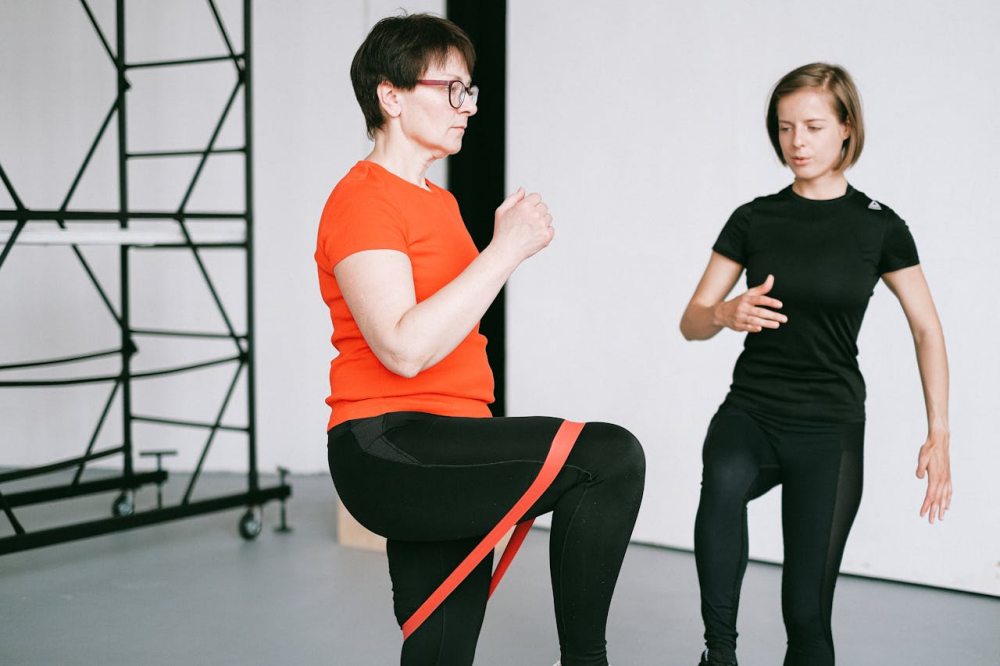
Ever notice how everyday activities like walking, lifting groceries, exercising, or even sitting for long hours can leave your body feeling stiff or sore? These small discomforts often relate to the musculoskeletal system—the network of bones, muscles, joints, and connective tissues that keeps the body moving.
Over time, factors like poor posture, repetitive strain, injuries, or aging can place stress on this system.
In active communities such as Cherry Hill, where people juggle work, commuting, and busy routines, these physical demands can add up. Physical therapy helps address these challenges by improving movement, strengthening muscles, and supporting long-term musculoskeletal health.
The following are 6 ways physical therapy contributes to long-term musculoskeletal health.
1. Supports Healthy Movement and Mobility
When discomfort or limited mobility begins to affect daily routines, seeking professional care can help individuals better understand the source of the problem and work toward effective recovery. Many individuals explore physical therapy in Cherry Hill when they need structured support for improving movement and managing musculoskeletal concerns. This type of care focuses on restoring physical movement, strengthening affected areas, and helping patients return to everyday activities safely.
Many orthopedic providers offer structured rehabilitation programs to improve mobility and strength. Practices such as Premier Orthopaedic Associates provide guided therapy designed to address movement limitations and support gradual recovery. A key focus of physical therapy is helping the body move more efficiently. As flexibility and joint mobility improve, everyday activities like walking, bending, and reaching often become easier and more comfortable.
2. Builds Strength That Protects the Musculoskeletal System
Strong muscles play an important role in supporting joints, alleviating back pain symptoms, and maintaining stability throughout the body. Physical therapy programs often include strengthening exercises that target key muscle groups responsible for posture, balance, and controlled movement.
Strength-focused therapy may help:
-
- Support joints during movement and activity
- Improve overall balance and physical stability
- Reduce unnecessary strain on surrounding tissues
Over time, stronger muscles provide a more stable foundation for movement, helping the musculoskeletal system function more efficiently during daily tasks. This added support allows the musculoskeletal system to function more efficiently during everyday activities
3. Promotes Effective Recovery After Injury
Musculoskeletal injuries can affect strength, coordination, and the ability to perform routine activities. Without proper rehabilitation, these injuries may lead to lingering stiffness or reduced body movement. Physical therapy offers a structured rehabilitation process that allows individuals to rebuild function gradually as the body heals.
Recovery programs typically focus on:
-
- Restoring strength in injured muscles
- Improving joint movement and coordination
- Supporting a gradual return to daily activities
This guided recovery helps ensure that healing tissues regain strength and flexibility. As a result, individuals often regain confidence in their movement and return to their normal routines more safely.
4. Improves Body Awareness and Movement Patterns
Some musculoskeletal problems develop because of inefficient movement habits or poor posture. Physical therapy helps individuals better understand how their bodies move and how certain patterns may contribute to discomfort.
Therapy sessions often encourage patients to:
-
- Recognize movements that cause unnecessary strain
- Improve posture and body alignment
- Develop healthier and more efficient movement patterns
By becoming more aware of how the body moves, individuals can make small adjustments that protect their joints and muscles. These improvements often contribute to greater comfort during daily tasks.
5. Encourages Consistent Physical Activity
Staying physically active is an important part of maintaining musculoskeletal health. However, discomfort or weakness can sometimes make regular activity feel challenging. Physical therapy helps individuals develop the strength and stability needed to participate in exercise and movement safely.
Therapy programs may focus on:
-
- Improving balance and coordination
- Strengthening muscles used during everyday movement
- Increasing confidence during exercise or sports
As stability and endurance improve, individuals often feel more comfortable staying active. Regular physical activity then becomes easier to maintain as part of a healthy lifestyle.
6. Helps Maintain Long-Term Physical Function
Physical therapy is not only focused on recovery but also on maintaining long term physical wellbeing. By improving mobility, strengthening muscles, and supporting proper movement mechanics, therapy helps individuals continue performing daily tasks comfortably.
Over time, these benefits may help:
-
- Maintain independence during everyday activities
- Reduce the risk of recurring movement problems
- Support overall musculoskeletal health and function
These benefits can contribute to lasting mobility and comfort. With consistent attention to movement and strength, individuals may remain active and independent for years to come.
Conclusion
Musculoskeletal health plays a vital role in maintaining mobility, strength, and overall quality of life. When muscles, joints, and connective tissues function efficiently, individuals are better able to perform daily tasks and stay physically active.
Physical therapy offers a proactive approach to supporting long-term musculoskeletal health. Through professional evaluation, personalized rehabilitation plans, and guided exercises, individuals can improve their movement, strengthen their bodies, and maintain healthy physical function.
For those experiencing discomfort, limited mobility, or recovering from injury, professional care can provide valuable support. With the right treatment and consistent effort, physical therapy can help individuals move more comfortably and maintain strong musculoskeletal health for years to come.
When you love your life, your life will love you right back.
Snag a free workbook and get inspiration on all the ways to love your life even more.
>>Click Here to Learn Tips & Tricks to Love Your Life <<
You May Also Find These Articles Helpful
 Want More Joy? 7 Habits to Be Happier Backed by Science
 A Relationship Vision with Your Partner Creates a More Contented Life
 What You Need to Know If You’re Feeling Burnt Out and Exhausted
 Self-Connection: How to Reconnect With Yourself and Find Your Inner Grounding
 How to Stay Motivated in Winter: Beat the Seasonal Slump