

Mental clutter usually isn’t one enormous problem. It’s twenty-seven small things whispering, “Don’t forget me.” The half-made decision. The text you still need to answer. The return sitting by the door. The appointment you haven’t scheduled. The pile of mail you keep moving from one side of the counter to the other as though geography will eventually solve it.
That’s how mental clutter gets sneaky. None of those things seems important enough to deserve this much brain space. Together, though, they keep tugging at you all day. One little reminder here. Another unfinished thought there. By dinner, your brain is tired from managing a committee of loose ends nobody remembers electing.
Clearing mental clutter doesn’t require overhauling your life, alphabetizing the spice cabinet, becoming a morning person, or buying a planner complicated enough to need its own onboarding process. Sometimes you just need to close a few loops before they start multiplying. A little less background noise can create a surprising amount of breathing room.
And These Five Habits Can Help.
One – Keep a Short List for the Day
A long to-do list can look productive, but sometimes it’s just anxiety wearing bullet points. You dump everything onto the page, feel briefly organized, and then immediately feel overwhelmed because apparently today you’re supposed to write, clean, respond, shop, exercise, solve the printer issue, make three appointments, and become emotionally well-regulated by dinner. No wonder your brain wants to lie down.
A shorter list gives you somewhere clear to begin instead of asking your brain to keep track of the entire week at once. If your current system mostly produces dread, it may be worth creating a better to-do list. For today, though, choose the few things that genuinely need your attention and let the rest wait their turn. Think of the daily list as a landing strip, not a landfill.
That gives you a much better chance of ending the day feeling like you actually followed through. Otherwise, it’s very easy to stare at twenty-seven unchecked items and decide you’ve somehow failed because the linen closet remains tragically unorganized.
Two – Separate Planning From Doing
Planning and doing are different jobs, and trying to do both at once can make even simple tasks feel heavier than they need to. It’s hard to make progress when part of your brain is still asking, “What am I actually trying to do here?” That’s how you end up halfway through one thing, distracted by another, and somehow reorganizing a drawer that had absolutely nothing to do with the original plan.
This is where a master plan helps. You need some sense of what you want your life to hold, what matters this season, and what you’re actually trying to build. Maybe that means a healthier home, a calmer schedule, stronger work, more time with the people you love, or simply fewer loose ends tugging at you all day. The bigger picture gives the smaller tasks somewhere to belong. Otherwise, every chore and errand starts acting like it deserves equal billing.
Once the plan is clear, separate the deciding from the doing. Figure out where you’re starting before you clean the room. Make the errand list before you get in the car. Decide what needs to happen before you sit down to work. A little forethought means your brain doesn’t have to keep stopping every ten minutes to hold another committee meeting.
The goal isn’t to live by a rigid master schedule. It’s to let the bigger plan guide the smaller choices. “Deal with the office” is vague. “Clear the desk and file the receipts” makes sense when you already know why you need the office functioning again. Planning keeps you connected to the life you want. Doing is simply how you move it forward.
Three – Pause Before You Respond From Emotion
Few things create mental clutter faster than a message sent from the first hot wave of emotion. You know the one. Your eyebrows are somewhere near your hairline, your fingers are moving faster than your judgment, and suddenly you’re composing a response for a jury of imaginary supporters who are, naturally, completely on your side. Technically, you may even be right. You may also be hungry.
Strong emotions are useful information, but they’re not always the best editors. Give yourself enough space to come down from the first surge before you hit send. Sometimes one deep breath is enough. Other times you need a walk around the block, a draft that never leaves your notes app, or a good night’s sleep before deciding whether the thing still needs to be said at all. Morning has saved more than one of us from having to explain what possessed us at 10:47 p.m.
The point isn’t to swallow what you need to say or pretend you’re not angry. It’s to avoid creating a second problem because you answered the first one at full temperature. A short pause can save you an astonishing amount of cleanup later, and cleanup, darling, is mental clutter with consequences.
Four – Clean Up the Small Mess Before It Becomes a Bigger One
Physical clutter has a sneaky way of turning into mental clutter because your brain keeps noticing it even when you’re trying not to. The dishes in the sink. The unopened mail. The laundry that has apparently decided the chair is its permanent address. None of it is a crisis. But all those little unfinished things keep quietly tapping you on the shoulder every time you walk past, which is rude considering they are inanimate objects.
And no, this doesn’t mean your house has to look like nobody actually lives there. A real home has books, coffee cups, shoes, half-finished projects, and evidence that someone had the audacity to eat lunch. That’s life. The problem starts when small messes make everyday living more annoying than it needs to be. You can’t find the scissors. The counter is too crowded to make dinner. The mail pile has become an archaeological dig. At that point, the clutter isn’t just sitting there minding its own business. It’s creating more work.
That’s when a tiny reset can help. Put the dish in the dishwasher. Toss the junk mail before it establishes residency. Clear enough of the counter to use it again. Return the scissors to the drawer, assuming they haven’t already escaped into whatever alternate dimension seems to collect every pair in the house.
You don’t have to clean the whole room or launch a Saturday morning campaign involving bins, labels, and inspirational music. Just close a few small loops while they’re still small. Five minutes of putting things back where they belong can make the room feel noticeably quieter. Sometimes that’s enough to get your brain to stop keeping tabs on every stray object like an unpaid household manager who would very much like to clock out.
Five – Give Your Brain Two Minutes of Quiet
You don’t need to become a meditation expert to give your brain a break. No cushion, gong, special breathing technique, or ability to think about absolutely nothing required. Frankly, the last one sounds suspicious anyway. Most of us have enough trouble remembering why we walked into the kitchen. Expecting the mind to go completely blank feels ambitious.
What helps is giving yourself two minutes without more coming at you. Sit with your coffee before you pick up your phone. Step outside and look at the sky. Stand at the kitchen sink without a podcast, an email, or somebody else’s opinions pouring into your head. Nothing profound has to happen. You are not waiting for enlightenment to descend between the coffee maker and the dishwasher.
This matters most when the day tends to begin with notifications, news, messages, errands, and everyone else’s needs arriving before you’ve even located your own thoughts. Two quiet minutes won’t solve your problems. They may, however, help you remember that you have thoughts of your own before the rest of the world starts renting space in your head.
And sometimes that tiny pause is enough. Not because silence magically fixes everything, but because your brain finally gets a place to land before the noise starts piling up again.
Clear Mental Clutter One Small Habit at a Time
Clearing mental clutter isn’t about building the perfect system. It’s about making fewer things pull at you from the background all day. A shorter list. A clearer next step. A pause before you respond. A small reset at home. A couple of quiet minutes before the world starts yelling again. None of that is flashy, but flashy is overrated when what you really want is to feel less mentally crowded.
And no, this doesn’t require a new personality. You don’t have to become exquisitely organized, color-code your life, or suddenly develop deep feelings about label makers. A few small habits can keep loose ends from multiplying into a full committee meeting inside your head. That alone can make an ordinary day feel noticeably lighter.
That’s really the point. Clearing mental clutter isn’t about doing more. It’s about carrying less. When fewer things are tugging at your attention, there’s more room for the people, work, rest, creativity, and small pleasures that actually deserve to be there.
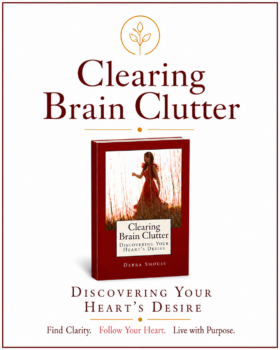 Ready to clear mental clutter more deeply?
Clearing Brain Clutter: Discovering Your Heart’s Desire
Ready to get clearer about what you really want? Clearing Brain Clutter offers 30 exercises to help you sort through the noise, reconnect with your own desires, and create a life that feels more like you.
Available on Amazon in Paperback and Kindle.