
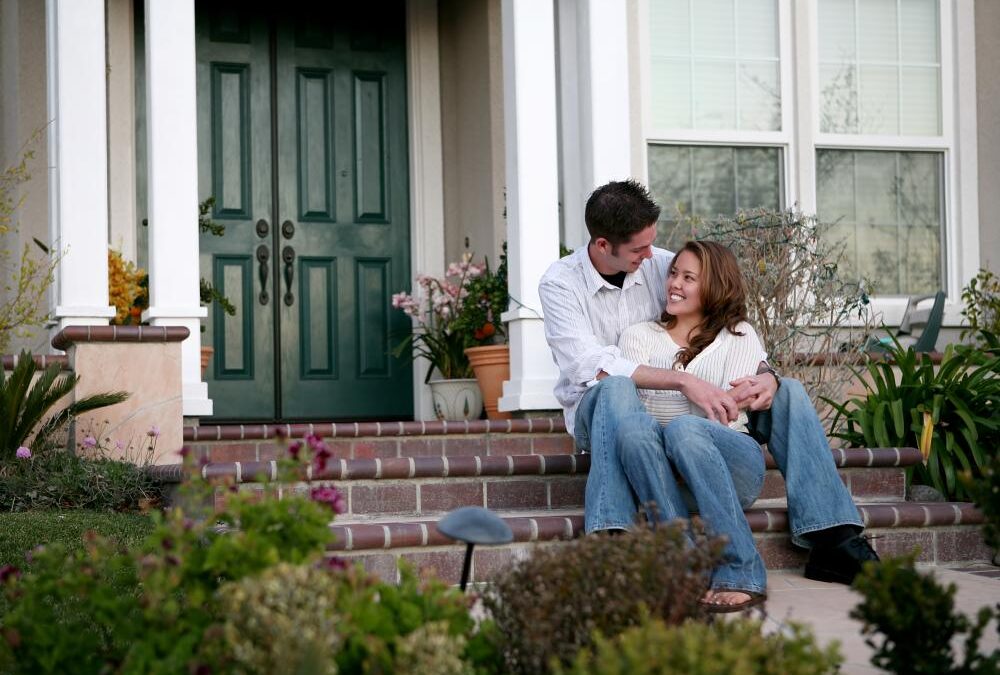
Picture walking up to a house you’ve never visited. Before anyone answers the bell, before you see a single room, you’ve already formed an opinion. Is this place warm or formal? Modern or classic? Welcoming or a little intimidating? A lot of that impression comes from one thing.
The front door. It sits right at eye level, framed perfectly, practically begging for attention. A glossy red door feels cheerful and bold. A heavy wooden door with iron hardware feels solid and timeless. A sleek glass door feels modern and open.
It’s funny how much a single entrance can communicate. Before the first hello, the front door is already telling a story about the house and the people inside. That’s a lot of responsibility for something people walk through without a second thought. It’s the handshake before the handshake.
Why Front Doors Have Such an Outsized Design Impact
The front door is the focal point of most home exteriors. Your eye naturally lands there, which means its design can shape how the whole house is perceived. A small change at the entrance can make the entire facade feel different.
A custom front door Denver CO homeowners choose can establish architectural character through proportions, materials, color, glass, and hardware. A taller door adds drama. Wide doors feel grand. Sidelights and transoms bring in light and make an entryway feel more open.
Hardware is the jewelry. Sleek handles lean modern, while ornate pulls and knockers feel traditional. Glass patterns, from clear panels to textured or leaded designs, add personality. Every detail adds up to a first impression that’s surprisingly powerful. Small touches create big moods.
The Psychology of Color, Shape, and Materials
Dark wood often feels warm, rich, and established. It suggests craftsmanship and tradition, giving a house a grounded, welcoming presence. Natural grain adds texture that many people find comforting.
Bright colors make a statement. Red, yellow, teal, or bold blue can feel energetic and friendly, signaling a homeowner with personality. Darker shades like black or deep green can feel sophisticated and dramatic. Color can instantly change how approachable a home feels.
Glass panels and shapes influence perception too. More glass can feel open and inviting, letting light flow through. Arched tops suggest classic elegance, while clean rectangles and minimal panels feel modern. Different design styles create distinct impressions, even before anyone touches the handle. Each choice sends a signal.
Why a Front Door Needs to Match the House Around It
A beautiful door can still look wrong in the wrong setting. Imagine an ultra-modern glass door on a cozy cottage, or an ornate Victorian door on a minimalist home. Each door might be gorgeous on its own, but together the effect can feel jarring.
Scale matters a lot. A door that’s too small can look lost on a large facade, while a massive door can overwhelm a modest house. Proportions should feel balanced with the windows, rooflines, and overall size of the home.
Trim and surrounding materials tie everything together. Door casings, columns, stone, brick, and siding all frame the entrance. When the door complements those elements, the whole exterior feels cohesive. Architectural harmony is what makes an entrance feel intentional. Fit matters as much as flair.
The Practical Side of Making a Beautiful Entrance
Looks matter, but a front door has real work to do. Weather resistance is essential, especially with intense sun, snow, wind, and temperature swings. Proper materials, finishes, and seals help a door stand up to the elements.
Security is another key consideration. Solid construction, quality locks, sturdy frames, and secure hinges help protect the home. Glass panels can be designed with security in mind, using tempered or laminated glass and thoughtful placement.
Insulation, durability, and maintenance round out the picture. Well-insulated doors and good weatherstripping help keep heating and cooling inside. Some materials need periodic refinishing, while others need less upkeep. Balancing beauty with practicality helps a door look great and perform well for years. Beauty has to work for a living too.
Conclusion
People form opinions about a house almost instantly, and the front door plays a starring role. Its color, shape, materials, and hardware send signals about personality, style, and warmth before anyone steps inside. Those snap judgments happen fast.
The best doors don’t just look good alone. They fit the architecture around them, with balanced scale and complementary trim. They also deliver on practical needs like weather resistance, security, and insulation. Style and substance belong together.
A front door tells a story before anyone steps inside. A thoughtfully designed entrance balances personality, architecture, and function, giving every visitor a first impression worth remembering. Make that first impression count.
Caring for Your Home Helps You Love Your Life
Snag a free workbook and get inspiration on all the ways to love your life even more.
>>Click Here to Learn Tips & Tricks to Love Your Life <<
You May Also Find These Articles Helpful
 Twelve Hidden Reasons Why Working From Home Is NOT Productive For Most People
 If Happiness is a Choice Why Are So Many People Miserable?
 Eight Reasons Why Decision Making Fails Even the Wisest and Smartest People
 Five Disadvantages for Working at Home (And How To Overcome Them)
 Five Ways to Make Decisions Without Overthinking Everything