After having a baby, many women are eager to regain strength and feel more comfortable in their bodies again. However, postpartum recovery is rarely as simple as returning to pre-pregnancy exercise routines. Changes to the abdominal muscles, pelvic floor, posture, and overall stability mean that the body often needs a more gradual and supportive approach.
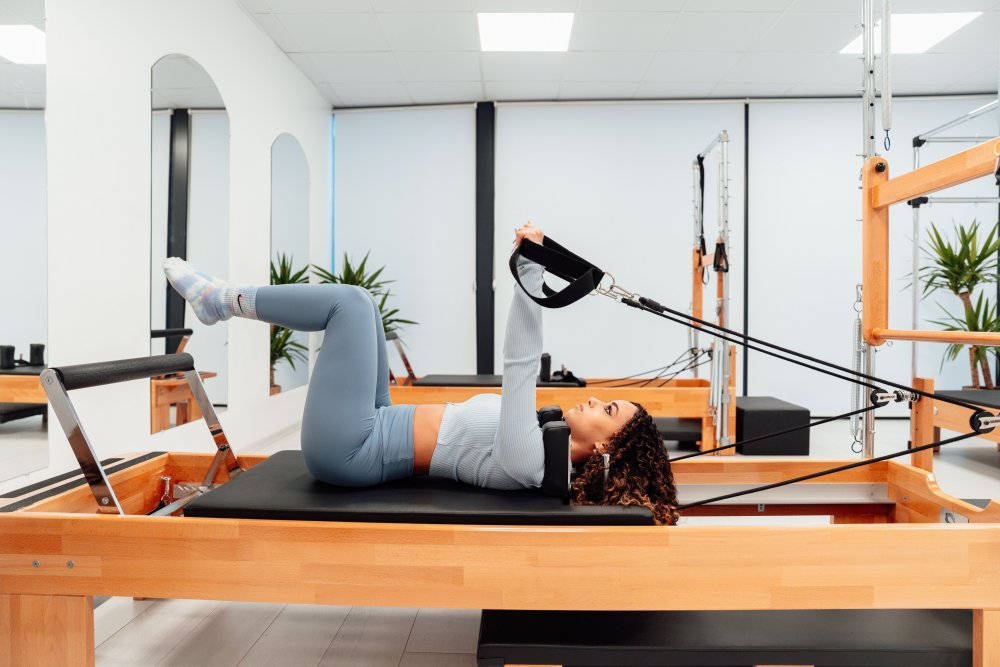
That’s where Pilates can be especially beneficial. Rather than focusing on intense workouts or rapid results, Pilates emphasizes controlled movement, proper alignment, breathing, and core engagement. This makes it a popular choice for new mums looking to rebuild strength safely and confidently.
Here’s how Pilates classes can support postpartum recovery and help restore core function over time.
1. Why the Core Needs Specific Attention After Birth
Pregnancy stretches and weakens the deep core muscles over months. The rectus abdominis — the front abdominal muscles — can separate during pregnancy, a common condition called diastasis recti. The pelvic floor also undergoes significant strain, whether through vaginal birth or the recovery from a caesarean section.
Jumping back into high-intensity exercise too soon doesn’t just risk discomfort — it can make these issues worse. The core needs to be rebuilt from the inside out, not just worked on the surface.
2. Pilates Starts at the Foundation
What makes Pilates particularly well-suited to postnatal recovery is that it begins with the muscles most new mums need to reconnect with: the deep stabilizers. The transverse abdominis, the pelvic floor, and the multifidus muscles along the spine.
These aren’t muscles you feel burning after a workout. They’re the muscles that make everyday movements feel stable and controlled — lifting, carrying, getting up from the floor with a baby in your arms.
3. Choosing the Right Pilates Class for Your Recovery
Pilates isn’t one-size-fits-all, and good instruction reflects that. A new mum six weeks postpartum has different needs from someone twelve months on. The adaptability of Pilates — its range of modifications, props, and progressions — means the practice meets you at your current level rather than expecting you to catch up to it.
Finding the right class with qualified postnatal instructors matters. When you search for dedicated Pilates classes through a platform that filters by specialization, you’re much more likely to find sessions led by instructors who understand postpartum physiology specifically. Pilates Live makes it straightforward to find classes that suit your stage of recovery and your schedule.
4. Breathing Is Part of the Work
One thing that surprises many new mums about Pilates is how much attention is paid to breathing. This isn’t just about relaxation — it’s core mechanics. The way you breathe directly affects intra-abdominal pressure, which directly affects how your deep core and pelvic floor function together.
Learning to coordinate breath with movement is foundational Pilates work. It also helps with the tension many new mums carry in their neck, shoulders, and jaw from feeding, carrying, and disrupted sleep.
5. The Evidence Supports It
The benefits of postpartum exercise are supported by research. A review published in the National Library of Medicine found that pelvic floor muscle training can help improve recovery after childbirth and reduce the risk of common issues such as urinary incontinence.
Pilates incorporates many of the same principles, including pelvic floor engagement, core strengthening, controlled movement, and proper breathing. This makes it a practical and accessible option for new mums looking to rebuild strength safely while supporting long-term recovery and physical wellbeing.
6. Community Makes a Real Difference
Beyond the physical benefits, postnatal Pilates classes offer something that solo home workouts can’t: connection. Being in a room — or a virtual class — with other new mums at a similar stage is genuinely valuable. The shared experience, the permission to go slowly, and the normalization of the postnatal experience all contribute to the overall wellbeing that comes from attending regularly.
Many women continue Pilates long after the postnatal period precisely because of the community they find, not just the physical results.
Conclusion
Rebuilding after having a baby doesn’t need to be aggressive or rushed. It needs to be consistent, informed, and kind to your body. Pilates, with the right instructor and the right approach, offers exactly that. Start where you are. Move at your pace. Your core will find its way back.
The key is to focus on steady progress rather than quick results. As strength, stability, and confidence gradually return, everyday activities often begin to feel easier too. With patience and regular practice, Pilates can become an important part of your postpartum recovery journey, helping you build a stronger foundation for long-term health and movement.
Want to improve your self-image and love your life more?
Snag a free workbook and get inspiration .
>>Discover More Ways to Love Your Life and Yourself<<
You May Also Find These Articles Helpful
 Inner Strength: Eleven Ways to Find and Grow It
 Strength Train Your Most Precious Resource: It’s Your Attention
 How to Stay Motivated in Spring: Fresh Energy for New Beginnings
 Trusting Your Gut is Critical if You Want to Create a Life You Love
 How to Stop Overthinking and Finally Love Your Imperfect Self