Somewhere between “I should relax” and doing it, most of us end up on the sofa, phone in hand, thumb on autopilot. It feels like rest. It’s not. Scrolling keeps your brain’s engine running. Real rest entails something with a bit more texture. A hobby that’s slow enough to switch your nervous system off “alert” and onto “fine.”. You don’t need a mountain bike or a marathon medal to get there. Some of the most restorative hobbies around barely raise your heart rate.
Why Slow Hobbies Work on Your Brain
Knitting. Jigsaw puzzles. Gardening. Why do these hobbies keep popping up on every “how to de-stress” list? They occupy just enough of your attention to crowd out the mental chatter, without asking so much of you that you spiral into a new kind of stress. Unplugged calls this the sweet spot between too easy and too hard. Enough challenge to hold focus. Enough ease to avoid frustration. The act nudges the brain into a genuine flow state.
Dirt Therapy, aka Gardening
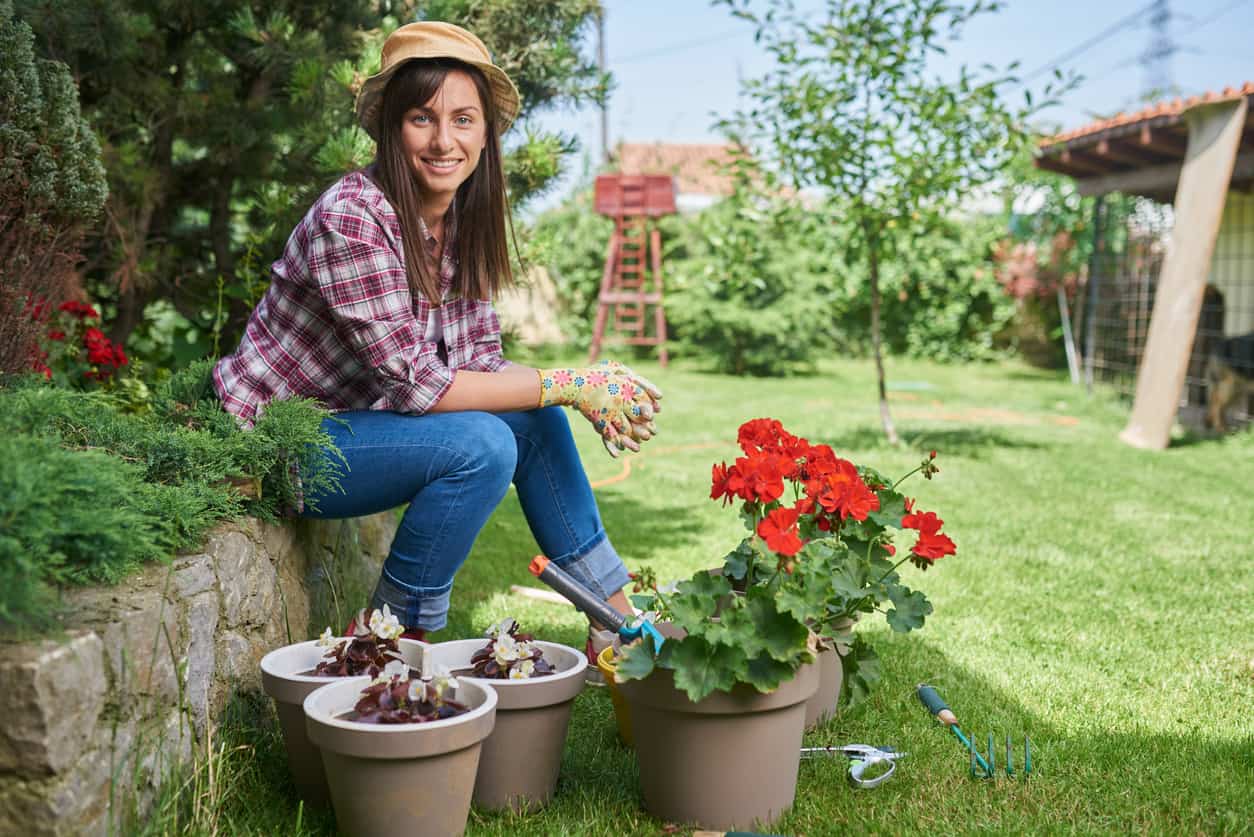
Few hobbies pull double duty quite like gardening. It might be seen as an old-fashioned hobby, but gardening is the go-to activity for seniors. Digging the dirt is grounded in comfort and familiarity.
Many seniors struggle with arthritis and mobility issues, and seek tips for living with arthritis. Besides low-impact workouts, gardening keeps joints moving when arthritis makes exercise unappealing.
WebMD shares the story of a woman with rheumatoid arthritis who found that time in a community garden gradually improved the range of motion in her hands. It helped with managing arthritis pain naturally. Proof that living with arthritis every day doesn’t mean coping with arthritis pain.
Puzzles, Crafting, and Other Lowkey Satisfying Tasks
If your idea of a wild Friday night is a 1,000-piece jigsaw, you’re onto something. Hobbies give an overworked brain a break from problem-solving mode, offering focus, enjoyment, and a small hit of accomplishment. Knitting, sketching, or building something with your hands works the same way. Repetitive. Absorbing. Low stakes.
Hobbies That Pay Off Long-Term
A hobby’s benefits don’t stop at “I feel calmer now.” Research on leisure activities and healthy aging links regular engagement in enjoyable pastimes to better outcomes as we get older. A study published in Nature found that leisure activities improved health, emotional balance, and social connection among retirees. UCLA Health adds that hobbies that are mentally stimulating or lightly physical may support memory and lower dementia risk in older adults who stick with them over time.
When You Want a Mood Lift
Not every relaxing hobby has to be sleepy. Some are surprisingly good at giving your brain a natural lift.P sychologists point to dopamine dips as a reason winter can leave you flat. And that hands-on hobbies can naturally nudge those levels back up. No comfort food or doomscrolling required.
FAQs
What counts as a “low-impact” hobby?
Anything that’s gentle on your joints and doesn’t spike your heart rate into workout territory. Think gardening, puzzles, knitting, painting, or slow walks.
How often do I need to do a hobby before I notice a difference?
Some effects, like the calm from a gardening session, show up almost immediately. Others build over weeks of regular practice.
Can hobbies help arthritis or joint pain?
Yes, with a few tweaks. By pairing gentle movement with rest, people can maintain arthritis pain management at home.
What’s the quickest way to de-stress through a hobby?
Gardening has some of the fastest measurable effects.
Low-Impact Hobbies, By the Numbers
| Hobby or Activity | Benefit | Stat |
| Gardening | Lowers cortisol (main stress hormone) | About 27% average reduction after 30 minutes. |
| Leisure activities | Number of documented ways they affect health | Over 600 identified pathways |
| Art | Ideal for maximum benefit | Roughly 2+ hours a week appears to yield the most benefit for wellbeing |
| Leisure activities, retirees | Top-rated wellbeing domain out of four measured | Health benefits scored 3.50 out of 5 – the highest of any domain tested |
Give Your Brain Permission to Rest
Skip the fancy new hobby kit or a weekend retreat to feel more at ease. A trowel, a deck of cards, a paintbrush, or a half-finished puzzle on the kitchen table will do the same job. Some days you might want the meditative repetition of gardening or knitting. Other days, you might need something that lifts your mood. Both are valid forms of rest, and both count. The best approach is usually the simplest one. Start small. Pick something you already have lying around the house. And give it a regular slot in your week rather than waiting for a “someday” that never quite arrives.
Want to keep building good habits to love your life more?
Subscribe to my newsletter for quarterly tips and encouragement you can actually use.
>>Discover More Articles on Building Better Habits<<
You May Also Find These Articles Helpful
 Hobbies Without WiFi: Creative Ways to Unplug and Recharge
 Recharge Your Mind, Body, and Soul to Reinvigorate Your Goals
 Nine Simple Ways to Cultivate a Happier Life and Stop Overthinking It
 Seven Questions to Ask Yourself if You Want to Be Happier
 Build Your Evening Routine for Better Sleep Using this Habit