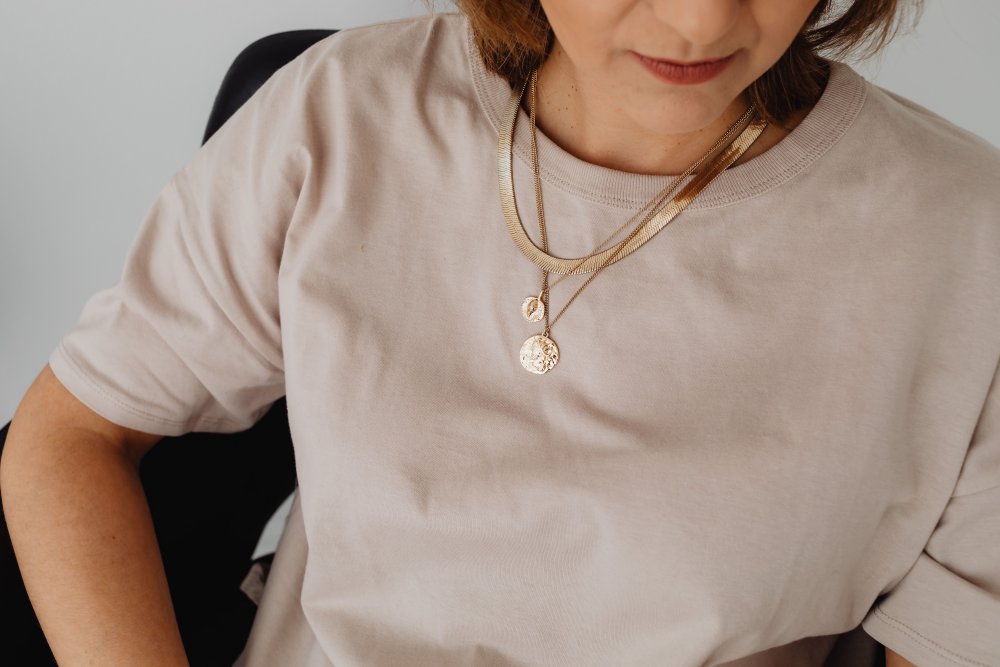
Marriage gives ordinary objects a history. A gold necklace may bring back your first anniversary. A bracelet might recall a holiday when you finally had time for each other. Years later, the memories can remain vivid even when those pieces spend more time in a drawer than on your skin.
You might want to wear some again, pass others down, or consider selling gold you no longer use. If that last option feels right, a conversation with gold buyers such as Golden Anvil Jewelers in Jupiter, Florida, can help you understand what a piece may be worth. The company offers a free evaluation with no obligation to sell.
The first decision, though, is personal. What does this jewelry mean to you now? Which pieces belong in your everyday life, and which deserve another purpose? You can explore those questions at your own pace, with appreciation for the past and curiosity about the life you share today.
Give the gift, the memory, and the object their own attention
When a piece was a gift from your partner, it can carry several meanings at once. There is the affection behind the gift, the occasion it marked, and the practical object you were given. A necklace can remain a lovely reminder of an anniversary while becoming difficult to fasten or awkward with the clothes you wear now.
Try considering three questions separately:
-
- Meaning: what person, occasion, or feeling does this piece bring to mind?
- Use: do I enjoy wearing it, and does it work with my life today?
- Possibilities: what could I reasonably do with it if I wanted something to change?
Different answers can coexist. You may love the memory and dislike the fit. You may enjoy a piece with little emotional history. You may have something valuable that you would rather keep for personal reasons.
This separation is a starting point for reflection, not a formula that produces one correct choice. It helps you describe what you are deciding. “I would like a different chain length” is a much clearer thought than “I feel strange about everything in this jewelry box.”
If the object itself is important, keeping it intact may be the right outcome. A photograph or a redesigned piece will not feel equivalent to everyone. Give that preference as much attention as the practical alternatives.
Notice how your daily life has changed
Your marriage may have begun in a very different season. You might have dressed for an office, gone out more often, or chosen jewelry for evenings that now happen less frequently. A move, a change in work, a new hobby, or a different routine can alter what feels comfortable and useful.
Look at the jewelry you actually reach for. Do you prefer small earrings because you leave early in the morning? Does a long pendant catch on clothing? Have you discovered that you enjoy a simple bangle more than a matching set?
Be specific about the obstacle. A piece you avoid because of a damaged clasp presents a different question from one you have never liked wearing. One may call for a repair estimate; the other may call for an honest conversation about your tastes.
You can make a short list of what works: preferred lengths, fastenings you can manage comfortably, pieces that suit your usual clothes, and designs that still feel like you. This record can guide both your current decisions and future gift conversations.
There is room to appreciate what suited you earlier and choose differently now. You do not need to explain a change in taste as a problem with your partner or your past.
Begin the conversation with appreciation and a clear request
A conversation about a gift is easier to follow when the other person knows why you have brought it up. Choose a moment when neither of you is rushing, and start with the particular piece rather than a verdict on every gift you have received.
You could say:
“I remember how excited we were on that anniversary, and this bracelet still brings it back. I have barely worn it lately because the clasp is awkward for me. I would like to find out what it would cost to repair it. Could we look at the options together?”
Or, when your taste has changed:
“I love remembering the trip when you gave me this necklace. I have realized that I reach for simpler pieces now. I would like to think about whether to keep it as a keepsake or give it a different purpose. I am still deciding.”
These are suggested conversation starters, not promises about how a partner will respond. Leave space for the other person’s memory, too. They may recall a detail you have forgotten, or feel surprised because they assumed you still wore the piece often.
Discussing an object’s significance is different from asking someone to prove their affection. Keep the conversation focused on your experience, the practical choices, and what you would like to understand next.
Healthy relationship habits such as respect, independence, and shared commitment offer a useful starting point. Give each person room to speak honestly while respecting the jewelry owner’s choice.
Consider several possible futures for the same piece
You can decide item by item. A collection does not need a single destination, and an unworn piece does not automatically need to leave your home.
| Possible choice | When to explore it | A useful next step |
| Wear it again | You still like it and it suits your routine. | Check its condition and try it with clothes you already wear. |
| Keep it safely | The original object matters, even if you rarely wear it. | Record its story and choose suitable storage. |
| Repair it | A specific problem prevents you from enjoying it. | Ask a jeweler about feasibility, cost, and the proposed work. |
| Redesign it | You want to explore a different form. | Discuss which original elements can actually be retained. |
| Pass it on | Someone else may value the piece and its history. | Ask whether they want it, and share the records you have. |
| Evaluate a sale | You feel ready to consider parting with it. | Understand the assessment and offer before deciding. |
A piece can also stay in a “decide later” group. Give that group a small, identifiable place so that uncertainty remains visible rather than becoming another tangle of unexplained objects.
Bring a favorite piece back into ordinary life
Some jewelry remains unworn because it has been mentally reserved for an occasion that never arrives. If you still enjoy a piece, consider whether it belongs with an ordinary dinner, a familiar dress, or a quiet weekend together.
Try one piece at a time. Put it beside the clothes you plan to wear and notice how it feels. You may discover that a necklace works beautifully with a simple shirt, or that a bracelet still feels impractical despite your wish to enjoy it.
Before wearing older jewelry, pay attention to visible problems: a fastening that does not close, a bent component, or a stone that appears loose. Ask a jeweler to examine anything uncertain. A trial of your personal style should not require you to ignore a condition problem.
Storage and cleaning also need to suit the whole object, including any gemstones. Avoid choosing a cleaning method solely because the metal looks like gold. If you are unsure about a stone or treatment, ask for care advice before using a cleaner or an ultrasonic machine.
The point of this small experiment is information. Afterward, you can say, “I enjoyed wearing this,” or “I still avoided it, and now I know why.” Either answer helps.
Ask what a repair would change
A repair may be worth exploring when there is a clear obstacle between you and a piece you otherwise love. Describe that obstacle in your own words: the chain tangles, the fastening is hard to use, or a component seems damaged.
Ask the jeweler to explain the proposed work, the expected appearance afterward, and the cost. If preserving the original parts matters to you, say so before work begins. Ask which parts would be altered or replaced and what would happen to anything removed.
It can help to separate repair from improvement. Restoring a broken fastening and changing a design to suit your preferences are different requests, even when they happen during the same visit.
Do not assume that paying for a repair will increase a later purchase offer by the same amount. If a possible sale is part of your decision, ask about the piece in its present condition before committing to work.
A repair can make sense because it lets you enjoy something again. That personal benefit can matter even when you have no plan to sell.
Explore redesign with a clear idea of what must stay
“I want to keep the meaning” can describe very different wishes. One person may care about retaining the original engraving. Another wants a particular stone preserved. Someone else is comfortable with a completely new design that acknowledges the earlier gift.
Before a redesign consultation, write down what matters most. Would you regret losing the original shape? Does the actual metal need to remain part of the new object? Would using only a stone feel right? Are you exploring an idea, or have you already decided to change the piece?
Then ask what is technically possible. Existing materials, condition, and the proposed design can affect what a jeweler can reuse. Request a clear explanation of which elements would be retained, replaced, or returned to you.
Where a process would permanently change the original object, take time to review the plan and estimate. A sketch, photographs, and a written description can help establish what you are approving.
Redesign is one possibility to investigate. You may leave the consultation preferring the original piece, or decide that a smaller change would suit you better.
Make space for family history
Inherited jewelry can arrive with several stories: the one you remember, the one a relative tells, and the details recorded on a receipt or old photograph. Keep those sources distinct. A family recollection is worth preserving even when the maker or date has not been established.
Ask what you would want a future owner to know. Who wore the piece? When did it enter the family? Is there a photograph showing it being worn? Are there repairs or changes that help explain its present appearance?
If you are considering passing something on, ask the intended recipient whether they would like it. Give them room for an honest answer. Your affection for a piece does not guarantee that another person will enjoy wearing or storing it.
Family expectations can also deserve a conversation before an irreversible decision. If there is uncertainty about who owns an item or whether it is yours to dispose of, pause that decision and clarify the matter separately.
You can preserve a story in a note without deciding the object’s future that day. Information gathered now may make a later choice easier for you or someone else.
Understand the gold before attaching a price to it
Personal meaning and material composition answer different questions. If an evaluation is on your list, gather whatever you know about the jewelry rather than guessing from its color.
Karat describes the proportion of gold in an alloy. For example, 18K means 18 parts gold out of 24. Gold-plated and gold-filled products have a gold layer over another material; vermeil has a sterling-silver base with a gold coating. The FTC’s guide to gold and other precious-metal jewelry explains these descriptions.
Look for marks, but keep the full wording and nearby symbols together. Photograph what you can see rather than trying to turn a worn mark into a confident conclusion. Bring the original receipt or description if you have it.
You can ask an evaluator to explain what the piece appears to contain and what testing is proposed. A question about materials does not commit you to a sale. It gives you a clearer description of the object you are considering.
Keep different kinds of value separate
Your jewelry may have an original purchase price, an insurance valuation, a possible selling price, and a personal significance that no buyer can price. Those figures and feelings can sit beside one another without matching.
An insurance replacement appraisal is prepared for a particular purpose. It should not be read as an immediate cash offer. If you commission an appraisal, explain whether you need it for insurance, a possible sale, or another defined task.
A purchase offer comes from a particular buyer under particular terms. Ask whether the assessment considers the object as finished jewelry, its metal content, or both. If it contains stones, ask how those are being treated in the offer.
For an unusual, signed, or potentially significant piece, consider whether you want an independent appraisal or specialist opinion before deciding on a selling route. A business offering to buy your jewelry has a commercial role; understand that role when interpreting its assessment.
You can also keep a piece because its personal significance outweighs the offer for you. Knowing the monetary figure can inform your choice without determining it.
Ask for an explanation before accepting an offer
If you decide to explore selling, prepare a few concrete questions. A calm, specific conversation can reveal more than a headline promise about a high payout.
-
- Which parts of the piece are included in the assessment?
- How are the gold content and relevant weight established?
- Does the offer consider workmanship, stones, or the intact design?
- Are any deductions or fees still to come?
- What amount would you receive, and when?
- How long is the offer available?
- Would the proposed testing leave a mark or change the piece?
Keep the description and terms together if you compare offers. A quoted figure for one item is hard to compare with a combined amount for several pieces. Ask for enough detail to understand what each buyer is assessing.
You can arrange an evaluation and still decide to take the piece home. If you remain unsure about its history, the explanation, or your own readiness, leave yourself room to resolve that uncertainty.
Consider how you would use any proceeds
It can be pleasant to imagine an unused item contributing to something you value now. Perhaps you would put any proceeds toward an anniversary meal, a weekend away, a household expense, or a personal goal. Keep the plan proportionate to the actual offer.
A useful conversation might be, “If I decide to sell this, I would like to put the money toward something I will use.” That expresses a preference without requiring the jewelry to fund a particular purchase.
You also do not have to turn a sale into a symbolic ceremony. A practical decision can remain practical. Choosing to sell a broken chain need not become a statement about your entire relationship or your attitude to gifts.
Before committing, consider the part of the decision that cannot be undone. Would you still feel comfortable parting with the piece if the money went into an ordinary account rather than a special experience? The answer can help you distinguish readiness from enthusiasm for a proposed purchase.
Three ways a couple might approach the decision
These illustrative situations show how the next step can differ from one piece to another.
The anniversary necklace with the wrong length
One partner loves the necklace’s design but rarely wears it because of where it sits. Before deciding it has no place in the collection, they ask whether a suitable adjustment is possible and what it would involve. The conversation stays focused on comfort and use. If the proposed change feels right, the old gift may become part of everyday life again.
The box containing several kinds of memory
Another person finds a mixture of gifts, inherited earrings, and a broken chain they bought themselves. They choose to keep an inherited pair intact, research a repair for a gift, and seek an evaluation for the chain. Sorting the pieces separately prevents one emotionally difficult item from deciding the fate of everything else.
The bracelet that still feels too important to change
A third person likes the idea of a redesign until the actual plan involves altering an engraving. They realize that the original bracelet matters more than having something wearable. They photograph it, record its story, and put it away carefully. The consultation has still served a purpose: it clarified what they want to preserve.
Try a one-piece exercise before sorting the whole collection
Choose one item you own and can handle without feeling rushed. Give yourself enough time to look at it, write a few notes, and stop without needing a final decision.
- Describe the memory. Write what you remember about receiving or choosing it.
- Describe the present. Note when you last wore it and what helps or prevents you from using it.
- Identify an unknown. This might be a repair cost, material description, or family detail.
- Choose one next step. Take a photograph, ask a question, arrange an assessment, or return it to storage.
- Record the decision so far. “Keeping it for now” is a clear record, even if the next step changes later.
A small exercise keeps the task specific. You are considering one object and one next action, rather than trying to settle every question about your taste, marriage, family history, and finances at once.
Keep a record of the pieces you choose to preserve
For each meaningful item, a short note can hold the information that might otherwise disappear between generations or moves.
-
- Piece and photograph:
- Who gave it to me or chose it:
- Occasion or approximate date:
- What I remember:
- What the documents establish:
- Repairs or changes:
- Why I am keeping it:
- Questions I would still like to answer:
Separate your recollection from verified details. If you remember that a ring came from a grandparent but do not know its age or maker, record exactly that. An honest incomplete story is more useful than a precise description built on assumptions.
Keep receipts, reports, and repair records with the note or clearly label where they are stored. You do not need an elaborate archive. The goal is to make the object understandable to you and, if you choose, to its next owner.
Use what you learn to talk about future gifts
Looking through old jewelry can reveal preferences you have never put into words. Perhaps you enjoy choosing pieces together. Perhaps you would rather receive one item you will wear often than several surprises that remain boxed.
Share the details that would make a future gift easier to choose: a style you return to, the length you like, the fastenings you find comfortable, or a wish to pause jewelry purchases altogether.
You could say, “I have realized how much I wear small gold earrings. If we choose jewelry for another anniversary, I would love to look at those together.” Or, “I would enjoy spending time together this year more than adding another piece.”
Ask your partner about their preferences as well. This can be a conversation about how each of you likes to give and receive, with room for different answers.
A thoughtful gift does not have to repeat the form of an earlier one. You can keep the affection and attention while choosing something that suits the person receiving it now.
Leave a decision unfinished when you need to
Some pieces bring up more than a question of style. An inherited necklace may connect you to someone you miss. A wedding gift may carry family expectations you have not discussed. You may simply feel uncertain about changing something that has been yours for a long time.
Give yourself permission to pause. Store the piece safely, write down what remains unresolved, and choose whether there is one person or professional who could help answer a specific question.
A date to revisit the decision can be useful if you want one, but it does not need to become a deadline for parting with the jewelry. You can return to the question with more information or a clearer sense of what you value.
Keep the conversation free of pressure to demonstrate love through either keeping or selling. The owner’s readiness matters, and different pieces may need different amounts of time.
Let the next purpose fit the life you have now
Old gold jewelry can remain part of married life in many forms: a necklace worn again, a repaired bracelet, a keepsake stored with its story, a gift passed to someone who wants it, or an item sold after careful consideration.
Begin with the object in front of you. Appreciate what it has meant, notice how it fits your present life, and ask the questions that would make your next step clearer. Talk about its significance where that feels useful, and allow yourself a decision that suits your circumstances.
The next meaning does not have to be dramatic. It may be as simple as wearing a favorite pair of earrings to dinner together, or finally knowing why you want to keep them exactly as they are.