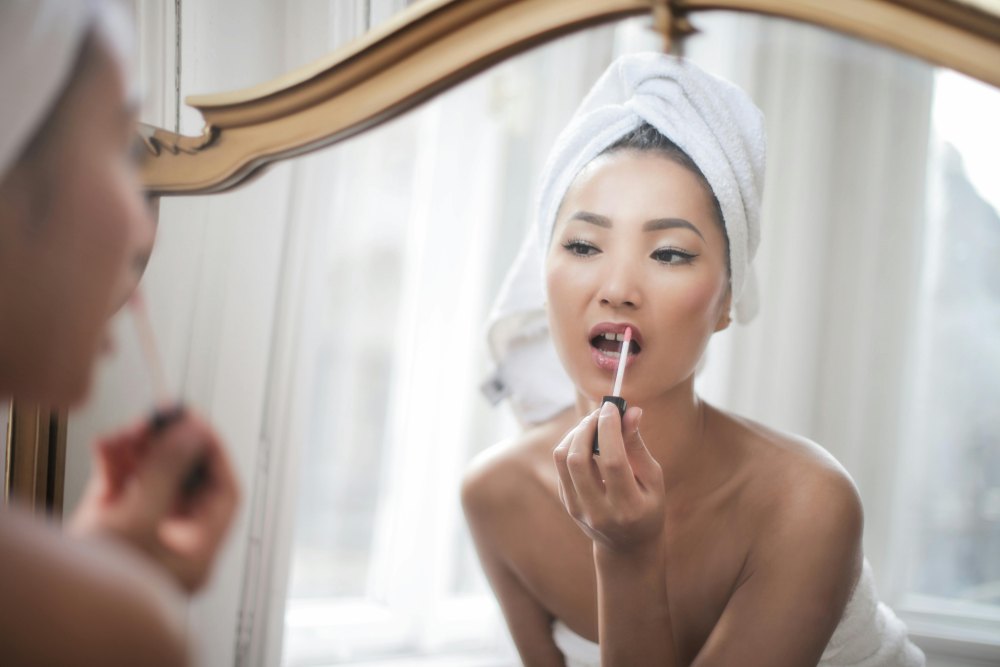
A perfect pout can elevate your entire look, making you feel confident and glamorous. Lip makeup is an art that requires some skill and knowledge to master.
With so many products and techniques available, it can be overwhelming to navigate the world of lip care and makeup. This comprehensive guide will walk you through the basics of lip makeup, from preparing your lips to applying the perfect shade.
Key Takeaways
-
- Discover the importance of lip care in your makeup routine
- Learn how to choose the right lip makeup products for your skin type
- Master various lip makeup techniques for a flawless finish
- Explore the latest trends in lip makeup
- Understand how to make your lip makeup last all day
Understanding Your Lips: Anatomy and Preparation
Achieving the perfect lip makeup look begins with understanding the anatomy of your lips. Your lips are a complex structure made of skin, muscles, and glands, and their unique shape and characteristics play a significant role in how makeup looks on them.
Lip Structure and Why It Matters for Makeup
The lip structure includes the Cupid’s bow, the outer edges, and the vermilion border. Understanding these features is crucial for applying lip makeup effectively. The shape and size of your lips can affect how lipstick, liner, and gloss are applied. For instance, knowing the natural contours helps in defining and enhancing the lip shape with makeup.
Prepping Your Canvas: Exfoliation and Hydration
Before applying lip makeup, it’s essential to prepare your lips. This involves exfoliating to remove dead skin cells and hydrating to keep your lips soft and supple.
DIY Lip Scrubs and Masks
Exfoliating your lips can be done with simple DIY scrubs made from sugar or salt mixed with oils like coconut or olive oil. For hydration, lip masks can be used to lock in moisture. Ingredients like honey and shea butter are excellent for nourishing your lips.
Best Lip Primers and Bases
After exfoliating and hydrating, applying a lip primer or base can enhance the makeup application. Lip primers help in creating a smooth surface, while lip bases can add color or moisture. Look for products containing ingredients like vitamin E or peptides for added benefits.
Essential Lip Makeup Products Explained
When it comes to lip makeup, having the right products is crucial for achieving a flawless look. The variety of products available can be overwhelming, but understanding the role of each can simplify your makeup routine.
Lip Liners: The Foundation of Definition
Lip liners are a fundamental product in lip makeup, serving to define the shape of the lips and prevent feathering. They come in various forms, including pencil and liquid liners.
Pencil vs. Liquid Liners
Pencil liners are traditional and easy to use, offering a soft, natural look. Liquid liners, on the other hand, provide a more precise application and longer-lasting results.
Waterproof and Long-Wear Options
For those looking for durability, waterproof and long-wear lip liners are available. These products ensure that your lip liner stays in place throughout the day.
| Product Type | Characteristics | Best For |
| Pencil Liners | Easy to apply, soft finish | Natural everyday look |
| Liquid Liners | Precise application, long-lasting | Special occasions, precise definition |
Lipsticks: Formulations and Finishes
Lipsticks are a staple in many makeup routines, available in a range of formulations and finishes. From matte to sheer, the options cater to different preferences and occasions.
Matte, Cream, Satin, and Sheer Formulas
Matte lipsticks offer a flat, intense color. Cream lipsticks provide moisturizing benefits and a soft sheen. Satin finishes balance between matte and cream, offering a comfortable wear with a subtle shine. Sheer formulas give a hint of color while being highly moisturizing.
Liquid vs. Traditional Bullet Lipsticks
Liquid lipsticks are known for their long-lasting, high-pigment formula. Traditional bullet lipsticks offer ease of use and a wide range of shades.
Lip Glosses, Stains, and Balms
Beyond liners and lipsticks, lip glosses, stains, and balms add moisture and a touch of color to the lips. They are versatile products that can be used alone or layered over other lip products.
When to Choose Each Product Type
Lip glosses are perfect for adding shine and moisture. Lip stains provide a subtle, long-lasting color. Lip balms are ideal for hydration, with or without tint.
Tinted Balms for Beginners
Tinted balms are a great starting point for those new to lip makeup. They offer a natural wash of color while moisturizing the lips.
| Product | Main Benefit | Best For |
| Lip Gloss | Shine and moisture | Adding a glossy finish |
| Lip Stain | Long-lasting color | Subtle, enduring color |
| Lip Balm | Hydration | Moisturizing, everyday wear |
Tools and Accessories for Perfect Lip Makeup
Achieving the perfect lip makeup look requires more than just the right products; it demands the right tools and accessories. Having the correct tools can significantly enhance the application process, making it easier to achieve a flawless finish.
Lip Brushes and Applicators
Lip brushes and applicators are crucial for precise lip makeup application. A good lip brush allows for more control over the amount of product applied, ensuring a clean and defined lip line. Lip brushes come in various sizes and shapes, catering to different lip shapes and makeup styles. For instance, a smaller brush is ideal for detailing and lining, while a larger one is better suited for filling in the lips.
Concealer and Setting Products for Lips
Using concealer around the lips can help define the lip shape and cover any imperfections. Concealer can be applied before or after lip makeup to create a clean canvas. Setting products, such as lip primers or setting sprays, help extend the wear of your lip makeup. They can prevent feathering and ensure that your lip color stays vibrant throughout the day.
“A good concealer can make your lip color pop by creating a stark contrast between your lips and the surrounding skin.”
Lip Exfoliators and Treatment Tools
Lip exfoliators are essential for removing dead skin cells and smoothing out the lip surface. This process helps lip makeup apply more evenly and last longer. Treatment tools, such as lip masks and lip balms, provide hydration and nourishment, keeping your lips healthy and plump.
| Tool | Purpose | Benefits |
| Lip Brushes | Precise application | Control, clean line |
| Concealer | Define lip shape, cover imperfections | Enhanced definition, flawless base |
| Lip Exfoliators | Remove dead skin cells | Smooth lip surface, even application |
Mastering Basic Lip Makeup Techniques
To achieve a flawless lip makeup look, it’s essential to understand the basics. Mastering these techniques will not only enhance your lip makeup but also boost your confidence in your overall makeup routine.
Proper Lip Liner Application
Lip liner is a crucial step in defining your lips and preventing feathering. Choosing the right shade is vital; you can either match your liner to your natural lip color or to your lipstick shade.
Matching vs. Contrasting Liner Techniques
There are two primary techniques for applying lip liner: matching and contrasting. Matching involves using a liner that is the same shade as your lips or lipstick, creating a natural look. Contrasting involves using a liner that is a different shade, often used to create a bold or dramatic effect.
Creating a Natural Outline
To create a natural outline, start by lining the cupid’s bow, then follow the natural shape of your lips to the outer corner. Blend the liner slightly to soften the look.
Lipstick Application Methods
Applying lipstick can be done in various ways, each offering a different finish and level of precision.
Direct Application vs. Brush Techniques
Direct application involves applying lipstick straight from the bullet, which is convenient but may lack precision. Using a lip brush allows for more precise application and can help in creating a more defined look.
The Finger-Dabbing Method
The finger-dabbing method involves applying a small amount of lipstick to your finger and then dabbing it onto your lips. This technique can create a soft, natural look.
Blending and Layering Products
Blending and layering lip products can enhance your lip makeup look, allowing for custom colors and increased longevity.
Creating Custom Colors
To create custom colors, you can layer different lip products. For example, layering a lip balm under a lipstick can add moisture, while layering a lip liner under lipstick can add definition.
Setting Techniques for Longevity
To make your lip color last longer, you can use a setting powder or a lip primer. These products help in setting the color and preventing it from fading quickly.
| Technique | Description | Benefit |
| Lip Liner | Defines lip shape | Prevents feathering |
| Lip Brush | Precise application | Defined look |
| Layering | Combines products | Custom color and longevity |
Creating Different Lip Shapes and Effects
With the right techniques, you can enhance your natural lip shape or create a completely new one. Lip makeup is not just about applying color; it’s an art form that involves reshaping and redefining your lips to suit your style.
Overlining for Fuller Lips
Overlining is a popular technique used to create the illusion of fuller lips. By carefully lining just outside your natural lip line, you can make your lips appear more voluminous. However, it’s crucial to do this subtly to avoid an unnatural look.
Subtle vs. Dramatic Overlining
The key to successful overlining is balance. Subtle overlining involves slightly enhancing your natural shape, while dramatic overlining can completely change the appearance of your lips. Choose the method that best suits your desired outcome.
Celebrity-Inspired Fullness Techniques
Many celebrities achieve fuller lips through a combination of overlining and strategic lip filling. You can replicate this look at home by using a lip liner to slightly overline your lips and then filling them with a matching lipstick or gloss.
Techniques for Smaller or Thinner Lips
If you have smaller or thinner lips, there are still ways to make them appear more defined. Using a lip liner to create a defined shape and then applying a light-colored lipstick can create the illusion of larger lips. Additionally, avoiding dark colors can help, as they can make lips appear smaller.
Correcting Asymmetrical Lips
Asymmetrical lips can be challenging, but they can be corrected with makeup. By using a lip liner to redraw the shape of your lips, you can create a more balanced look. Concealer can also be used around the lips to clean up the edges and make the lip shape more defined.
By mastering these techniques, you can create a variety of lip shapes and effects that enhance your natural beauty and suit different occasions.
Color Theory for Lip Makeup
Lip color theory is an art that, when mastered, can elevate your entire makeup look. Understanding the principles of color theory can help you choose lip colors that not only look great but also complement your skin tone and overall makeup.
Finding Your Perfect Shade Based on Undertones
Your skin’s undertones play a significant role in determining which lip colors will look best on you. Generally, undertones are categorized as cool, warm, or neutral.
Cool vs. Warm Skin Tones
If you have a cool skin tone, look for lip colors with blue or pink undertones. These shades will help to create a harmonious look. For warm skin tones, opt for lip colors with golden or peach undertones.
Universal Shades That Flatter Everyone
While undertones are important, there are certain lip shades that are universally flattering. These include soft nudes, gentle corals, and classic reds. Soft nudes are particularly versatile and can be worn daily.
| Skin Tone | Recommended Lip Colors |
| Cool | Blue-based reds, pink shades |
| Warm | Corals, golden nudes |
| Neutral | Soft peaches, mauves |
Seasonal Color Trends and When to Wear Them
Lip color trends change with the seasons. Understanding these trends can help you stay fashionable and update your makeup routine accordingly.
Bold vs. Subtle Color Choices
During certain seasons, bold lip colors are more popular, while in others, subtle shades are preferred. For example, bold reds are a staple for winter, while soft corals are perfect for summer.
Complementing Your Overall Makeup Look
Your lip color should complement your overall makeup look. For a natural look, opt for lip shades that are close to your natural lip color. For a more dramatic look, choose a lip color that contrasts with your skin tone.
By understanding and applying the principles of color theory, you can enhance your lip makeup and overall look. Experiment with different shades and techniques to find what works best for you.
Lip Makeup for Different Occasions
Adapting your lip makeup to suit different occasions can elevate your overall look and confidence. Whether you’re heading to a casual day out or a formal event, the right lip makeup can make all the difference.
Everyday Natural Looks
For everyday natural looks, opt for a lip balm or a sheer lipstick that adds a touch of color without being too bold. Nude shades are particularly popular for daily wear as they complement most skin tones. Consider a lip product with moisturizing properties to keep your lips hydrated throughout the day.
Professional and Office-Appropriate Styles
In a professional setting, it’s best to stick with subtle, understated lip colors. A soft coral or pink shade can add a touch of sophistication to your look. Avoid bold or bright colors that might be distracting. A lip liner can help define your lips and prevent feathering.
Evening and Special Event Glamour
For evening events or special occasions, you can opt for bolder, more dramatic lip colors. A classic red lip is always a timeless choice for making a statement. Consider the theme of the event and your outfit when choosing your lip color.
Red Carpet-Worthy Lip Techniques
For a red-carpet look, precision is key. Use a lip liner to outline your lips, and then fill them in with a matching lipstick. Gloss can be added on top for extra shine.
Bridal and Photography-Friendly Lip Makeup
For brides, it’s essential to choose a lip color that will photograph well. Consider a shade that complements your skin tone and wedding attire. A lip stain or a long-lasting lipstick can ensure that your lip color stays vibrant throughout the day.
| Occasion | Lip Makeup Style | Recommended Products |
| Everyday | Natural | Lip balm, sheer lipstick |
| Professional | Subtle | Lip liner, soft colored lipstick |
| Evening/Special Event | Glamorous | Bold lipstick, gloss |
Advanced Lip Makeup Techniques
For those looking to elevate their lip makeup game, advanced techniques such as ombré and gradient lips can add a creative twist to your routine. These sophisticated methods allow for a more personalized and stylish approach to lip makeup.
Ombré and Gradient Lips
Ombré and gradient lips have become increasingly popular for their ability to add depth and visual interest to the lips. These techniques involve gradating colors from dark to light, creating a multi-dimensional effect.
Korean-Inspired Gradient Technique
The Korean-inspired gradient technique involves applying a lighter shade of lipstick or gloss in the center of the lips, gradually fading towards the outer corners. This creates a soft, youthful appearance.
Two-Tone Ombré Effects
Two-tone ombré effects involve using two complementary shades to create a dramatic, multi-dimensional look. This can be achieved by lining the lips with a darker shade and filling them with a lighter one, or vice versa.
Glitter and Metallic Applications
Glitter and metallic lip makeup can instantly elevate a look, making it perfect for special occasions or evening events. To apply glitter or metallic lip products effectively, use a lip brush for precise application and consider layering a lip liner underneath to prevent feathering.
Creating Dimension with Highlighting and Contouring
Highlighting and contouring the lips can create the illusion of fuller or more defined lips. Apply a lip liner to define the shape, then use a highlighter on the cupid’s bow and a contour shade on the outer corners to create depth.
As noted by makeup artist
“Highlighting and contouring can completely transform the appearance of the lips, making them look more luscious and defined.”
Makeup Artist Insights
Some key tips for creating dimension include:
-
- Using a light hand when applying highlighter to avoid an overly shiny finish
- Blending contour shades well to create a natural-looking definition
- Experimenting with different products and techniques to find what works best for your lip shape
Troubleshooting Common Lip Makeup Issues
Common lip makeup issues can be frustrating, but there are simple solutions to achieve a smooth, long-lasting look. Whether you’re dealing with feathering, dryness, or color that fades too quickly, understanding how to address these problems can elevate your lip makeup game.
Preventing and Fixing Feathering and Bleeding
Feathering and bleeding can ruin an otherwise perfect lip look. To prevent this, use a lip liner that matches your natural lip color or the color of your lipstick. Apply it around the edges of your lips to create a barrier that keeps your lipstick in place. For additional security, you can apply a small amount of concealer around the lips to further define the shape and catch any stray lines.
Solutions for Dry, Chapped Lips
Dry, chapped lips can make applying lip makeup difficult and uncomfortable. To combat this, start by exfoliating your lips gently with a lip scrub or a soft toothbrush to remove dead skin cells. Follow up with a hydrating lip balm to moisturize and protect your lips. Applying a lip primer before your lipstick can also help the color adhere more smoothly and last longer.
Making Your Lip Color Last All Day
To ensure your lip color stays vibrant throughout the day, consider the following techniques:
Transfer-Proof Techniques
Using a lip liner as a base and filling in your lips with it can help your lipstick stay in place. Then, apply your chosen lipstick. This technique not only prevents transferring but also makes the color last longer.
Touch-Up Strategies
For a quick touch-up, blot your lips gently with a tissue to remove excess oil, then reapply your lipstick or lip gloss as needed. Carrying a travel-sized lip balm and lipstick can help you maintain your look throughout the day.
| Issue | Solution | Product Tip |
| Feathering/Bleeding | Use lip liner, apply concealer around lips | Choose a liner that matches your lipstick |
| Dry/Chapped Lips | Exfoliate, apply hydrating lip balm | Look for balms with natural ingredients like beeswax or coconut oil |
| Fading Color | Use transfer-proof techniques, touch up regularly | Consider using a lip primer for better adhesion |
Conclusion: Perfecting Your Personal Lip Makeup Routine
Perfecting your lip makeup routine is a journey that involves understanding your lips, choosing the right products, and mastering various techniques. By now, you’ve learned about the importance of lip anatomy, the different types of lip makeup products available, and how to apply them effectively.
As you continue to experiment with different looks, remember that personal lip makeup is all about finding what works best for you. Whether you’re going for a natural everyday look or a bold statement for a special occasion, the key is to have fun and be creative. Try out different lip shapes, colors, and finishes to discover your signature style.
With the knowledge and skills you’ve gained from this guide, you’re well on your way to perfecting your lip makeup routine. Don’t be afraid to try new products and techniques – it’s all part of the process. By practicing and being patient, you’ll be able to achieve the perfect pout that makes you feel confident and beautiful.
FAQ
What is the best way to prep my lips for makeup?
Exfoliating and hydrating your lips is essential before applying lip makeup. Use a gentle lip scrub or a DIY mixture of sugar and olive oil to remove dead skin cells, and then apply a lip balm or mask to moisturize.
How do I choose the right lip liner for my lipstick?
Select a lip liner that matches your natural lip color or the color of your lipstick. You can also use a lip liner that’s one shade deeper to create a more defined look.
What’s the difference between matte, cream, satin, and sheer lipstick finishes?
Matte lipsticks have a flat, non-shiny finish, while cream lipsticks are moisturizing and have a soft sheen. Satin lipsticks offer a subtle shine, and sheer lipsticks provide a hint of color with a glossy finish.
How can I make my lip color last all day?
To ensure long-lasting lip color, apply a lip primer, line your lips with a lip liner, and then apply your lipstick or gloss. You can also set your lip color with a setting powder or a setting spray.
What’s the best way to correct asymmetrical lips?
To correct asymmetrical lips, use a lip liner to carefully outline your natural lip shape, and then fill in the lips with a lipstick or gloss. You can also use a concealer to even out the surrounding area.
How do I choose a lip color that complements my skin tone?
Cool skin tones look best with blue-based lip colors, while warm skin tones are suited to yellow-based shades. Neutral skin tones can pull off a wide range of lip colors.
What are some common mistakes to avoid when applying lip makeup?
Common mistakes include not prepping the lips, using the wrong lip liner, and not blending lip colors. To avoid these mistakes, take your time, and use the right products for your lip type and desired look.
How can I create a bold, red-carpet-worthy lip look?
To create a bold lip look, choose a statement lip color, line your lips with a lip liner, and apply the lipstick or gloss carefully. You can also add a layer of gloss on top for extra shine.
Caring for Yourself Will Always Help You Love Your Life
Snag a free workbook and get inspiration on all the ways to love your life even more.
>>Click Here to Discover More Ways to Love Yourself and Your Life <<
You May Also Find These Articles Helpful
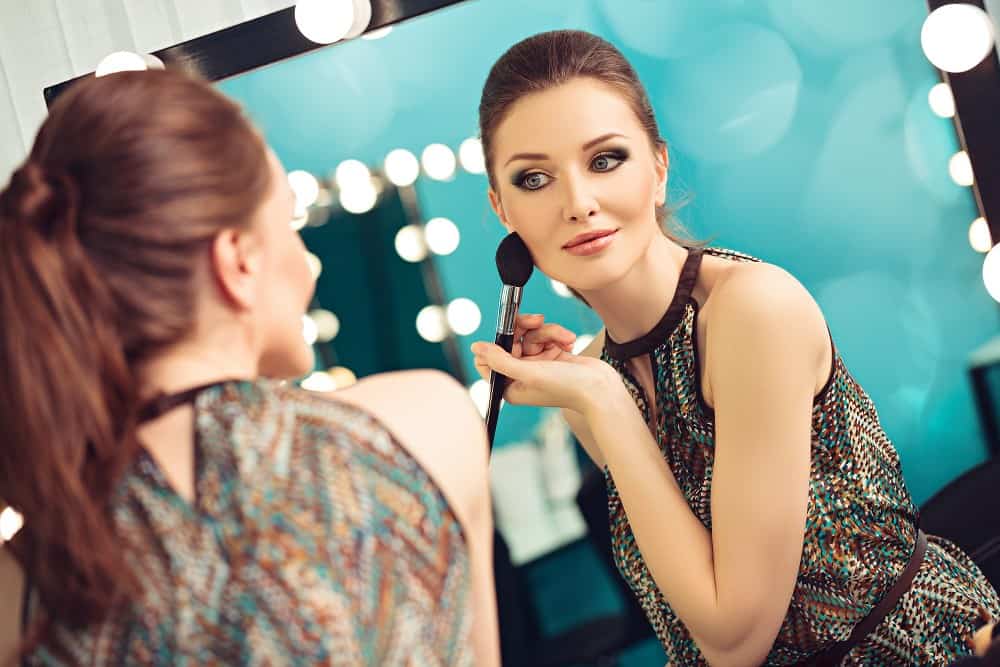 Putting on Your Makeup May Be a Key to Loving Yourself Just a Bit More
 Winter Skin Hydration: 19 Easy Tips for Healthy, Glowing Skin
 How to Start a Faith Journal: A Gentle Guide to Deepening Your Spiritual Connection
 Choosing Well: How to Make Good Decisions Even When Life Gets Messy
 Building Self-Trust: A 5-Part Guide to Consistency, Confidence, and a Routine You Can Trust