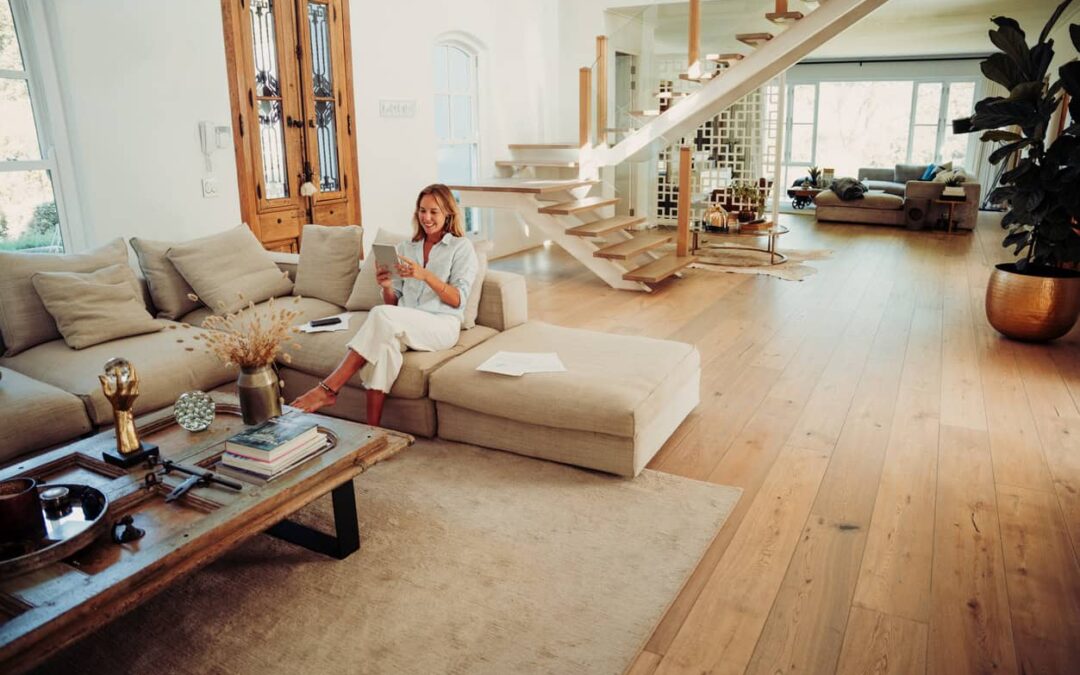
A home can be beautifully tidy and still feel as though nobody actually lives there. At the other extreme, adding personality can easily become an excuse to fill every shelf, wall, and table with decorative objects. The sweet spot sits somewhere between the two.
Creating a home that feels personal does not depend on owning more things. Often, it comes down to using color, pattern, texture, and the possessions that already mean something to you.
Here are some practical ways to bring more character into your home without sacrificing a sense of calm.
Start With What You Already Love
Books, photographs, artwork, travel souvenirs, and inherited pieces all connect to your life. The key is editing, not displaying everything at once.
Choose a few favorites and give them enough room to be noticed. A framed photograph placed on an otherwise simple sideboard will attract more attention than one squeezed among ten other objects.
The same applies to collections. Instead of scattering pieces around the room, grouping a small selection can make the display look deliberate.
Rotating decorative items is another option. Store some pieces and switch them every few months. You get the pleasure of seeing forgotten favorites again without increasing the amount permanently on display.
Use Fabrics to Add Character Without Taking Up Space
Fabrics can bring personality into a room while using surfaces that are already there. Terrys specializes in soft furnishings and window treatments, highlighting how much visual space textiles can occupy within an interior. Curtains, for example, can introduce color or pattern without using a centimeter of floor or shelf space.
Think beyond simply matching every fabric in the room. A patterned window treatment can work alongside plain cushions, while a textured throw can add interest to a simple sofa. Repeating one color in several places is often enough to make different elements feel connected.
This approach is particularly useful in smaller homes. When storage and surface space are limited, decorating vertically through curtains or other textiles lets you create a stronger identity without introducing another piece of furniture.
Give the Windows a Proper Role in the Room
Windows are sometimes treated as practical features rather than part of the decorating scheme. Yet they take up a lot of visual space, especially once curtains are added.
Instead of automatically choosing the least noticeable option, consider whether the window could become part of the room’s personality. Color, pattern, texture, and curtain length can all change its appearance.
In a room that already contains colorful artwork or patterned furniture, understated curtains may provide the necessary balance. In a relatively simple space, however, the window can carry more of the decorative weight.
Made-to-measure options can also be useful when a window has unusual proportions. When looking at fabric by Terry’s, think about the existing colors and patterns in the room rather than treating the curtains as an isolated purchase.
Make Everyday Objects Part of the Decor
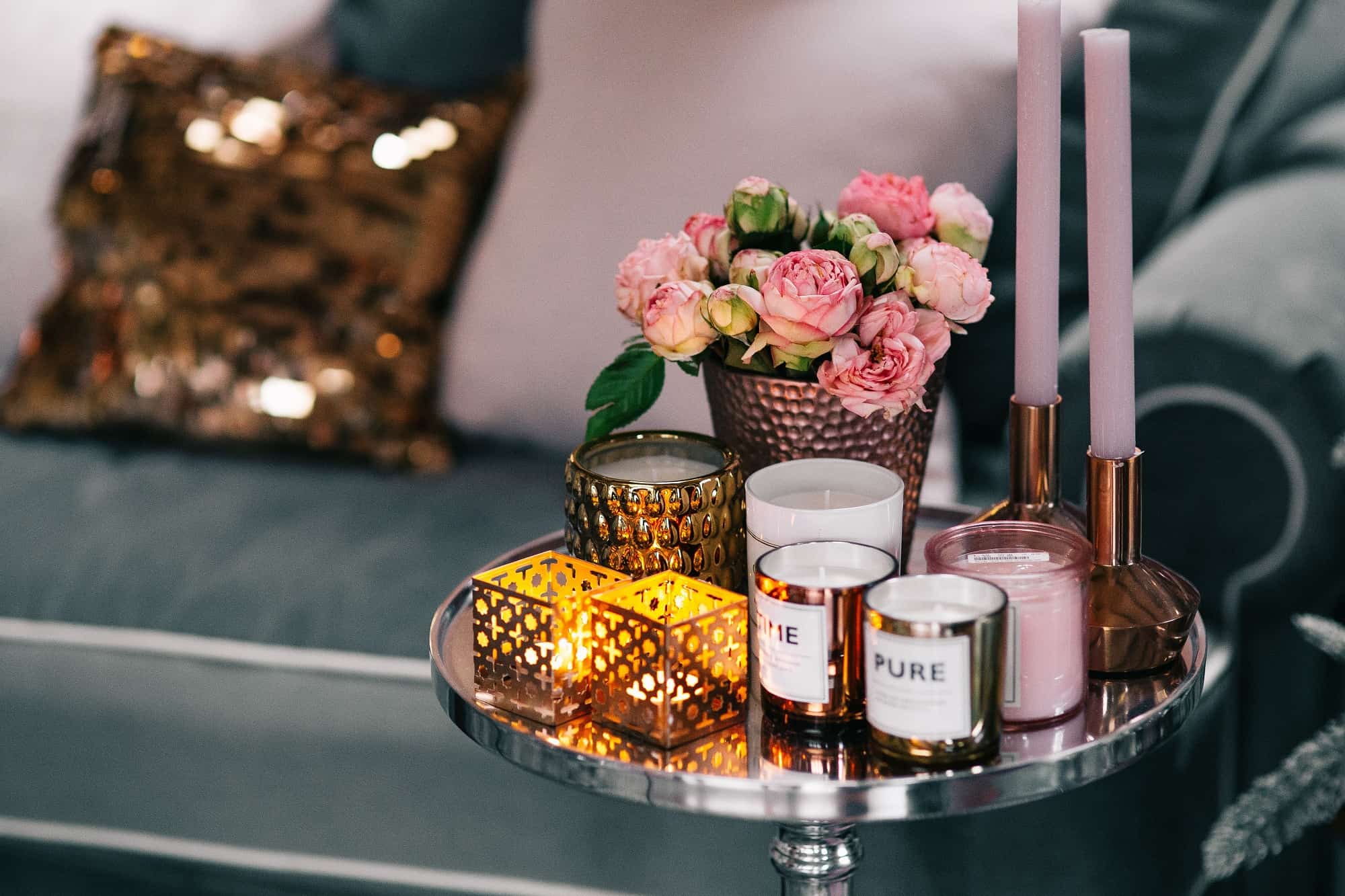
Not everything on display needs to be purely decorative. Some of the most characterful homes make ordinary objects look good enough to leave out.
In the kitchen, this might mean displaying a few favorite cookbooks rather than buying decorative signs. A colorful fruit bowl can provide interest while serving a purpose. In the living room, the books you actually read can become part of the room rather than being replaced by objects chosen solely for appearance.
Look for attractive ways to store things you use frequently. Examples include:
-
- A tray for everyday items on a coffee table
- A basket for throws beside the sofa
- A bowl for keys near the entrance
- A small stack of favorite books on a side table
- Hooks for bags or accessories you regularly reach for
Leave Some Spaces Intentionally Empty
Space is not a decorating failure. In fact, it can make the pieces you love stand out more. If every wall contains artwork and every surface holds an arrangement, the eye has nowhere to rest. Individual objects can disappear into the overall visual noise.
Try removing a few items from a room and seeing what happens. Clear half of an overcrowded shelf or leave one section of wall untouched. You may find that the remaining pieces suddenly have more impact.
This is particularly helpful when mixing patterns and colors. A patterned curtain, colorful rug, or striking artwork often looks stronger when surrounded by simpler elements.
When considering a new purchase, ask yourself where it will actually live. If the answer involves squeezing it onto an already crowded surface, it may not add as much to the room as you expect.
Let Your Home Develop Over Time
One reason interiors can feel impersonal is that you buy everything at once. A matching set may make decorating quick, but it can also remove the variation that gives a home character.
You don’t need to finish every room immediately. Leaving some decisions for later gives you time to work out what the space actually needs.
As you live in a room, you might discover that a particular corner needs better lighting, that you would prefer more color around the window, or that an empty wall would be perfect for a piece of artwork you already own.
This slower approach can also reduce unnecessary purchases. Instead of buying something simply because a space looks unfinished, you can wait until you find an item that serves a purpose or genuinely appeals to you.
A home that develops gradually tends to contain a mixture of old and new, practical and decorative, inexpensive and more considered pieces. That variety can create far more personality than following one look too rigidly.
Final Thoughts
Giving your home personality is not about filling it with possessions. It is about making the things you choose more meaningful and visible.
Start with objects you already care about, then use color, pattern, and textiles to bring character to areas that don’t require additional furniture or accessories. Make practical possessions part of the room where appropriate and leave enough space for your favorite features to stand out.
Most importantly, take your time. Your home does not need to look finished immediately. Letting it change alongside your tastes, routines, and experiences can create something far more personal than trying to complete every room in a single shopping trip.
An organized home helps you love your life more
Sign up for 30 Days to Clarity Monthly News, and I’ll send you Optimize Your Energy, my free workbook for finding and fixing the little things that drain you. You’ll also receive monthly encouragement for clearing clutter for your mind, body, and soul.
>>Discover More Ways to Love Your Life and Yourself<<
You May Also Find These Articles Helpful
 How to Declutter Without Going Minimalist So Your Home Reflects Your Personality
 Motivation for Clearing the Clutter from Your Home By Knowing Your Personality Type
 Home Organization Tips for Every Myers-Briggs Personality Type
 Haven or Hot Mess: How Does Your Home Feel?
 Clearing Clutter from Your Home Can Be the Secret to Loving Your Life