
Your mornings should not feel like a slow march through molasses. Yet somehow the alarm rings, your eyes barely open, and the day feels like a sprint you did not sign up for. Coffee helps for a moment, but soon the emails, meetings, laundry, and endless small tasks pull you down a rabbit hole of exhaustion. By the time it is your time, you are running on fumes, wondering why the fun part of life always seems to wait until the very last minute.
But what if it did not have to be that way? Imagine stepping into your daily routine with a sense of lightness, curiosity, even pleasure. Picture finishing a task and actually smiling at yourself, savoring the little wins instead of moving immediately to the next thing. Imagine your daily rhythm feeling like a series of small treats rather than a relentless grind.
This is not a fantasy or a self-help cliché. It is about reclaiming your day through intention, small delights, and mindful adjustments. In the moments when we pause to make our routines pleasurable, we are not wasting time; we are teaching our brains to associate daily habits with joy, energy, and accomplishment.
In this post, we will explore why routines often feel like chores, the simple psychological trick that can make them enjoyable, and practical, actionable ways to turn your everyday habits into moments you actually look forward to. By the end, you will have tools to make your day feel lighter, happier, and more alive without adding another must-do to your list.
Why Your Routine Feels Like a Chore
Many of us approach our daily routines feeling trapped between obligation and exhaustion. Mornings drag, the to-do list never ends, and even tasks we used to enjoy feel heavy or pointless. When we move from one item to the next without pause, our brain interprets the day as a series of burdens rather than opportunities. The reason your routine feels like a chore often comes down to a few key patterns, each of which quietly chips away at your energy and enthusiasm:
-
- Lack of enjoyment: When you do tasks solely out of obligation, there is no reward beyond completion. Your brain registers effort without pleasure, which makes motivation fade quickly and leaves the day feeling like a slog.
- Rigid structure: Overly strict schedules allow no room for flexibility or curiosity. Life becomes a series of checkpoints instead of moments to experience, notice, or savor. Every break in the plan feels like a failure rather than an opportunity.
- Unrealistic expectations: Believing you must accomplish everything perfectly sets you up for constant frustration. Even minor setbacks loom large, and the pressure to “do it all” steals the small pleasures that could make your routine feel lighter.
These patterns are easy to overlook, yet they shape how we feel each day. Recognizing them is the first step toward change. When we understand why our routines weigh us down, we can begin to make deliberate choices that introduce energy, delight, and even joy into the mundane. Simple shifts, like acknowledging small wins or creating space for spontaneity, can transform the way you experience daily life.
The Secret to Loving Your Daily Routine
The real secret to transforming your routine is simple: blend productivity with pleasure. Most of us think that efficiency means moving as quickly as possible through tasks, but our brains respond best when there is some element of enjoyment or reward in what we do. Even tiny doses of pleasure can turn ordinary actions into moments we actually look forward to.
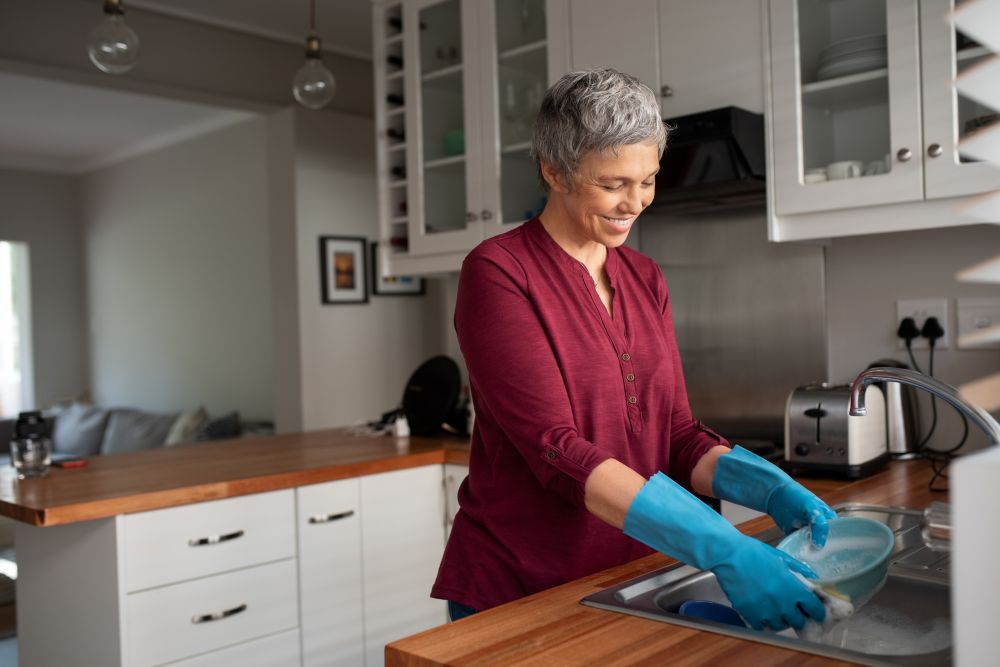
Consider the small joys you already know—the scent of fresh coffee in the morning, the rhythm of your favorite song while washing dishes, the quiet satisfaction of checking a completed task off a list. When these moments are intentionally paired with routine tasks, the experience shifts from drudgery to delight. Productivity becomes not just something you do, but something you feel good doing.
Another part of the secret is perspective. Too often, we approach routines with a checklist mentality: every action must be completed perfectly, and any deviation feels like failure. Reframing your routine as a series of opportunities for small wins changes everything. Each completed task, no matter how minor, can be acknowledged, celebrated, and even savored. Your brain begins to associate the rhythm of your day with satisfaction rather than obligation.
This approach does not require a major life overhaul. It starts with tiny adjustments: pairing a task with a sensory treat, introducing variety, or consciously setting an intention for how you want to feel during a particular part of your day. Over time, these small choices compound, creating a daily experience that is not only productive but also uplifting, energizing, and deeply satisfying.
Practical Ways to Make Your Routine a Treat
Turning your daily routine into something enjoyable is not about adding more work or forcing yourself to feel happy. It is about finding small, meaningful ways to weave pleasure into what you already do. When you approach tasks with intention and creativity, even ordinary actions can become moments to savor. Here are practical ways to make your routine feel like a treat:
-
- Pair tasks with something you love: Listening to a favorite podcast while cooking or letting a carefully curated playlist accompany your cleaning transforms mundane tasks into experiences that engage your mind and lift your mood. Choose sounds, stories, or rhythms that make you smile, laugh, or feel inspired.
- Micro-celebrations: Recognize small wins as they happen. Finish a task and take a deep breath, stretch your body, or savor a sip of coffee or tea. These tiny acknowledgments signal to your brain that accomplishment is rewarding, not just exhausting.
- Inject variety: Shake up the order of your routine, try a new approach, or add something unexpected. Novelty keeps your mind alert and your days feeling fresh, preventing monotony from turning tasks into drudgery.
- Set intention, not pressure: Before you start your routine, pause to consider how you want to feel. Calm, energized, creative, or playful—focus on the desired experience rather than obsessing over checklists. This mindset shifts the emphasis from perfection to presence.
- Add one indulgent habit: Incorporate a small act of pleasure into your routine. Light a scented candle while journaling, enjoy a skincare ritual, or step outside for a brief walk. These small rituals turn everyday moments into pauses that refresh your mind and body.
These strategies are not about doing more; they are about doing differently, noticing, and appreciating the richness hidden in everyday actions. By making routines pleasurable, you create momentum for your day and build a foundation for energy, focus, and satisfaction that carries beyond the tasks themselves.
Your Challenge: One Week of Delightful Routines
Turning your routine into something enjoyable is a practice, not a one-time fix. To see real change, you need to experiment, notice what works, and give yourself permission to enjoy the process. The goal is not perfection; it is awareness, presence, and small bursts of pleasure that shift your experience of daily life.
Here is a simple challenge to start transforming your routine this week:
-
- Pick three routine tasks that usually feel like chores: Identify the moments in your day that you most dread, whether it is doing the dishes, responding to emails, or tidying up your space.
- Apply one tip from the practical strategies above to each task: For example, pair a chore with a favorite song, celebrate completing a step with a stretch or deep breath, or introduce a small indulgent habit like enjoying a cup of tea or lighting a candle.
- Notice the difference in your mindset and energy: Pay attention to how your body feels, how your mood shifts, and whether the tasks feel lighter or more pleasant. Journaling brief notes can help you recognize patterns and reinforce positive changes.
- Repeat and refine: At the end of the week, reflect on which strategies made the biggest difference. Adjust your approach, swap techniques, or layer multiple small pleasures together to continue building routines you genuinely look forward to.
This challenge is designed to show that small actions have big effects. By intentionally pairing pleasure with productivity, you create a feedback loop of enjoyment and accomplishment. Over time, these mini-celebrations will become habits themselves, making your daily routine feel less like a list of obligations and more like a series of moments to savor.
Turning Daily Routine into Delight
Routines do not have to feel like grim obligations. When you approach your day with intention, curiosity, and small moments of pleasure, your daily habits can become mini-celebrations, tiny acts of joy, and opportunities to practice self-trust. Each small win, each indulgent pause, and each intentional choice reminds your brain that productivity and enjoyment can coexist.
By treating your routine as something to savor rather than something to endure, you create a ripple effect that touches every part of your day. Tasks that once felt heavy begin to feel lighter, energy increases, and even ordinary moments take on a sense of meaning. Life does not need to be endlessly extraordinary to be enjoyable. Instead, it becomes rich in small delights, mindful actions, and playful discoveries.
Start small. Pick one task you normally approach with reluctance and apply one of the strategies we discussed. Notice how it changes the way you feel, the rhythm of your day, and your overall sense of well-being. As these micro-moments of pleasure accumulate, your routine shifts from a series of chores to a series of treats.
When you learn to love your daily routine, you do more than make life easier—you reclaim your days, your energy, and your sense of joy. How to make your daily routine feel like a treat, not a chore is not a trick or a gimmick. It is a practice, a mindset, and a choice that transforms the ordinary into something truly worth experiencing.
Routines are essential to setting you up for success.
Snag a free workbook and get inspiration on all the ways to love your life even more.
>>Click Here to Discover Additional Articles on How to Fall in Love with Yourself and Your Life <<
You May Also Find These Articles Helpful
 Daily Actions, Lasting Success: Building Goals Into Your Routine
 Routines Are My Secret for Living a Happier Daily Life
 Build Your Evening Routine for Better Sleep Using this Habit
 Building Self-Trust: A 5-Part Guide to Consistency, Confidence, and a Routine You Can Trust
 How Keeping Promises to Myself Is the Most Life-Giving Part of My Routine