
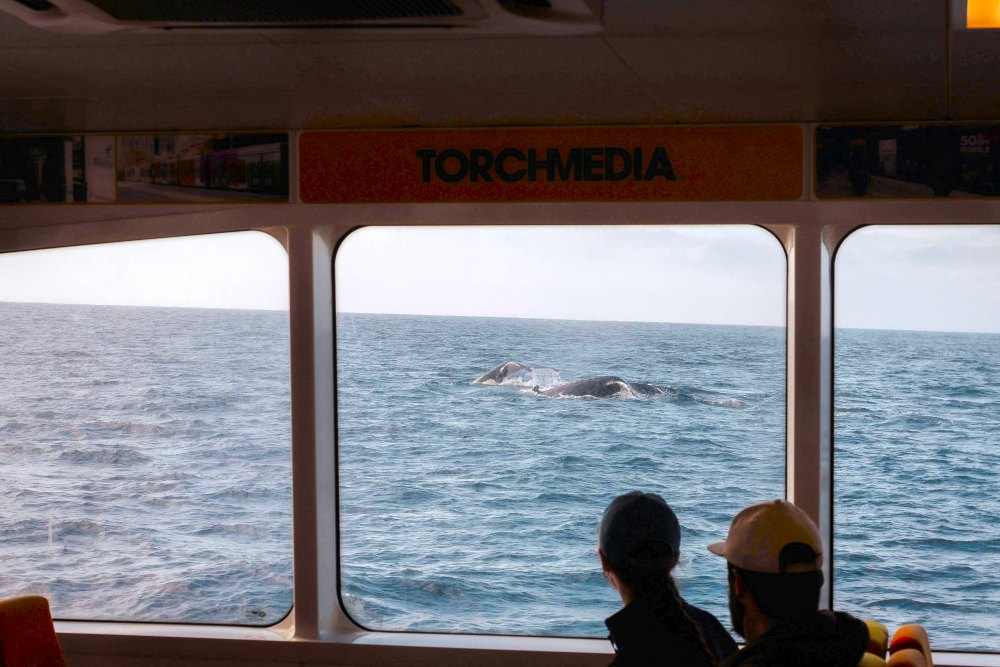
Modern life is loud. Notifications buzz nonstop. Traffic hums in the background. Screens demand attention from morning to night. Even quiet moments often feel filled with noise. Over time, this constant stimulation affects mental health in subtle but powerful ways. Stress builds, focus fades, and the mind rarely rests.
Against this backdrop, whale watching offers something rare: true mental stillness. Far from being just a travel activity, it creates space for reflection, calm, and emotional reset, especially in places like Newport Beach. The experience connects people to nature in a way that feels grounding and restorative, especially in a world that rarely slows down.
That being said, let’s have a look at some of the ways whale watching supports mental health in today’s fast-paced world.
Stepping Away From Constant Stimulation
One of the most immediate mental health benefits of whale watching is distance from everyday noise. Out on the open water, familiar distractions disappear. Phones lose their urgency. Conversations quiet down. The mind is no longer pulled in multiple directions.
This shift allows the nervous system to relax. Without constant alerts or visual clutter, the brain enters a calmer state. Thoughts slow down, and breathing becomes steadier. Many people describe feeling lighter within minutes of being surrounded by ocean sounds instead of urban noise.
This kind of sensory reset is difficult to find in daily life. Whale watching creates it naturally, without effort or intention.
The Calming Effect of the Ocean
Water has a well-documented calming influence on the human mind. The steady movement of waves, the open horizon, and the rhythmic sounds of the sea help reduce mental tension. Whale watching, especially in serene and maintained beaches like those of Newport, places people directly inside this soothing environment.
Unlike passive relaxation, such as sitting indoors, being on the water engages the senses gently. The experience promised by the Newport Beach whale watching vessels attains an almost perfect score for such stimulations. The eyes follow the horizon. The ears tune into natural sounds. The body responds by releasing tension it may not even realize it’s holding.
Fortunately, you can prebook the tickets with providers like 2SeeWhales Harbor Breeze Cruises, depending on your vacation schedule. You will even have the privilege to understand marine life through information shared by guides on the cruise.
This environment encourages mindfulness without trying to force it. Attention settles into the present moment, which is a key factor in reducing anxiety and mental fatigue.
Awe and Perspective Through Wildlife Encounters
Seeing a whale surface nearby creates a powerful emotional response. These animals move with grace and scale that is difficult to comprehend. Witnessing them reminds people that life extends far beyond daily schedules, deadlines, and worries.
This sense of awe plays an important role in mental health. It shifts perspective. Problems that once felt overwhelming begin to feel smaller. The mind steps out of its usual loop of concerns and connects with something larger and more meaningful.
Awe has been linked to improved mood and reduced stress. Whale watching naturally evokes it, without effort or expectation. The experience stays with people long after the trip ends.
Encouraging Presence and Mental Stillness
Mental health struggles often stem from living in the past or worrying about the future. Whale watching gently pulls attention back to the present. The unpredictability of sightings requires patience and awareness.
People find themselves watching the water closely, scanning the surface, and waiting quietly. This waiting is not stressful. It is calm and intentional. When a whale finally appears, the moment feels earned and deeply satisfying.
This state of presence is similar to meditation, but it feels effortless. There is no pressure to clear the mind. The environment does the work naturally.
Emotional Reset Through Slow Travel
Whale watching fits into a slower style of travel that prioritizes experience over consumption. There is no rush. No checklist to complete. The goal is not constant activity but quiet observation.
Slow experiences allow emotions to settle. They create space for reflection, gratitude, and emotional balance. Many people return from whale watching feeling mentally refreshed rather than overstimulated.
This emotional reset is especially valuable for those experiencing burnout, decision fatigue, or chronic stress. It offers rest without isolation and stimulation without overwhelm.
Connection Without Pressure
Whale watching also offers a rare form of connection. People often share the experience quietly, without forced interaction. Conversations are minimal. The focus remains outward rather than on social performance.
This low-pressure connection supports emotional well-being. It allows people to feel part of something without needing to explain, perform, or engage deeply. Shared silence becomes meaningful.
For individuals feeling socially drained, this type of connection feels safe and restorative.
Carrying the Calm Back Home
The benefits of whale watching do not end when the trip does. Many people report a number of positive changes in themselves, like :
-
- Lasting effects.
- Improved sleep.
- Clearer thinking.
- A renewed sense of calm.
The memory of the experience often serves as a mental anchor. During stressful moments, recalling the stillness of the ocean or the sight of a whale breaking the surface helps ground the mind.
This lingering impact makes whale watching more than a momentary escape. It becomes a reference point for calm in an otherwise noisy world.
Conclusion
In a world filled with constant sound, speed, and pressure, mental health depends on finding moments of true quiet. Whale watching offers that quiet in a powerful, natural way. It reduces sensory overload, encourages presence, and provides perspective through awe and connection with nature.
More than a travel experience, whale watching supports mental wellbeing by reminding people how it feels to slow down, breathe deeply, and simply observe. Sometimes, that reminder is exactly what the mind needs most.
Seeking more tips and tricks to love your life?
Snag a free workbook and get inspiration on all the ways to love your life even more.
>>Click Here to Discover Additional Articles on How to Fall in Love with Yourself and Your Life <<
You May Also Find These Articles Helpful
 The Power of Intentional Solitude: Why Everyone Needs Alone Time
 Ten Practical Ways to Deal with Overwhelm & Take Back Your Day
 Artful Living Helps You Love Your Life Even When the World Feels Chaotic
 Ten Strategies For Gaining Mental Clarity When You Feel Overwhelmed
 Create Your Mood Menu: Choose How You Want to Feel Every Day