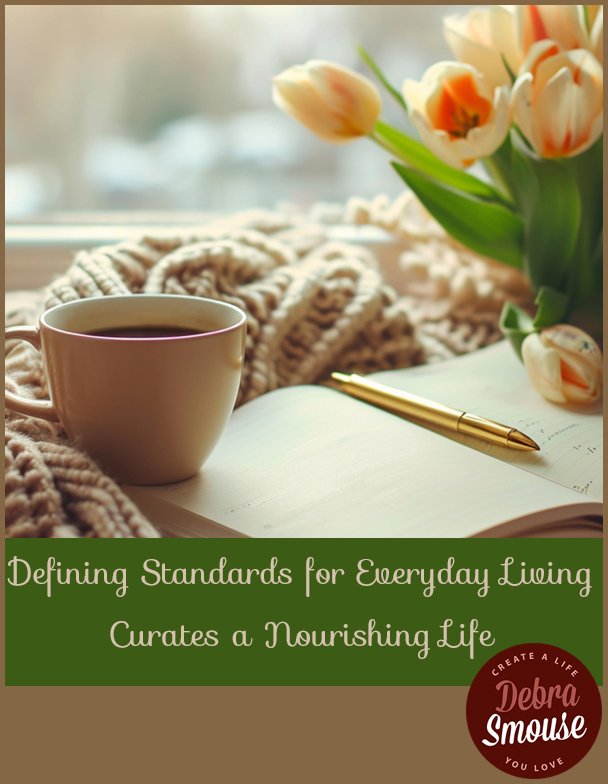

Here we are at the start of a brand-new year. Maybe you’re thinking, this is the year I’m finally going to journal consistently. Maybe you’ve tried before, stopped, and started again. That’s okay. Journaling isn’t about perfection. It’s about showing up for yourself, noticing your life, and making space for reflection, curiosity, and growth. And while journaling isn’t about perfection, now is the perfect time to dive into journaling for beginners.
Journaling is one of those practices that seems small at first: a few minutes with a notebook. But over time, it quietly reshapes the way you see your days, your choices, and even yourself. Whether you want to calm your mind, capture fleeting thoughts, track your goals, or simply honor your life as it unfolds, journaling can hold space for all of it.
Choosing Your Journal
The first step isn’t about the “perfect” notebook. It’s about choosing what feels right to you. Maybe it’s a spiral notebook you’ve always loved, a blank journal that invites creativity, or a planner-style notebook that helps you marry reflection with organization. Seasoned journal keeper or someone who is a journaling beginner, what matters most is that it sparks a little joy when you pick it up. Because that’s the thing that keeps you coming back.
Some ways to think about your journal:
- Bullet journals – Flexible, customizable, and fun if you like organizing tasks alongside your reflections. You can track goals, jot down ideas, or create little spreads that make sense to you.
- Spiral notebooks – Simple, practical, and versatile. Lined or blank, pocket-sized or oversized, they’re great for capturing whatever’s on your mind in the moment.
- Planner-style journals – Back in my “Road Warrior Princess” days, I kept a “7 Habits of Highly Effective People” daily planner. And this worked for my life at the time. So, if you love structure or have a planning habit, these combine reflection prompts with space for your schedule. They can help you tie journaling into your daily life without extra effort.
- Blank or softbound journals – Classic, timeless, and perfect for those who love freeform writing. Leather, fabric, or paper covers—these notebooks invite you to slow down and savor the act of putting pen to page.
Pick one, and give yourself permission to experiment. If you change your mind later, that’s part of the process too.
Starting Your Practice
If you’re new to putting pen to paper, these steps can help guide your journey. For anyone exploring journaling for beginners, the goal isn’t about perfectly formed sentences or if your writing for publication. Instead, it’s creating a small, consistent space for reflection, curiosity, and self-expression.
-
- Begin with gratitude. Even a sentence a day about something small: a cup of coffee, a moment of quiet, a kind word. This approach to keeping a journal can shift your focus toward noticing what nourishes you.
- Write freely. Let yourself spill thoughts onto the page without judgment. Grammar, spelling, or punctuation don’t matter here. What matters is honesty. What matters is listening to yourself.
- Find your rhythm. Some people journal first thing in the morning, some before bed, some on a commute. The key isn’t the time; it’s showing up consistently enough for it to become a gentle habit, a quiet ritual.
- Play with creativity. Journaling doesn’t have to be words alone. Sketch, doodle, paste in images, color. Your journal is yours—make it alive.
No matter how you begin, the most important part is simply showing up for yourself. Each entry—whether a sentence, a sketch, or a few scattered thoughts—builds the habit and helps you notice more of your life. Once you feel ready, prompts can offer a little extra inspiration and guidance to explore your thoughts even more deeply.
Prompts to Get You Started if You’re Journaling for Beginners
Even seasoned journalers return to prompts when the blank page feels intimidating. These prompts are here to support you, not to create pressure. Grab a pen and your journal, choose a single prompt, and see where your mind (and pen) take you. You might revisit the same prompt another day, or pick a new one—there’s no right or wrong way to explore. Let this be a gentle invitation for journaling for beginners to notice, reflect, and write whatever emerges.
-
- What three moments this week brought me joy, no matter how small?
- Where in my life do I need more patience, kindness, or clarity?
- What would it feel like to tell myself the truth right now, without judgment?
- What’s a dream or goal that’s quietly asking for attention?
Prompts are not assignments. They’re invitations. Take what resonates and leave the rest. (And if you need more ideas, I have a whole collection of journal prompts here in the blog.)
Your Journaling Journey
Starting a journaling practice is less about rules and more about noticing: noticing your thoughts, your patterns, your little victories, and even the things that frustrate you. It’s a gift to yourself, a quiet act of self-care, and a way to hold your life with intention.
So grab a notebook that calls to you, a pen, and a few spare minutes. Start wherever you are, with whatever feels meaningful. Let the page be a companion, a sounding board, and a mirror. And remember: there’s no wrong way to do this. There’s only your way.
Start your journaling journey today—and don’t do it alone.
Join my newsletter for simple strategies, prompts, and encouragement every quarter.
>>Read more articles that provide tools for busy lives<<
You May Also Find These Articles Helpful
 How to Start a Journal: A Step-by-Step Guide for Busy People
 Using Journal Prompts to Build Self-Awareness
 19 Wellness Journal Ideas and How to Start One
 Journal Prompts for Perfectionism and Year-End Pressure: MBTI-Inspired Reflections for Every Type
 How to Start a Faith Journal: A Gentle Guide to Deepening Your Spiritual Connection