
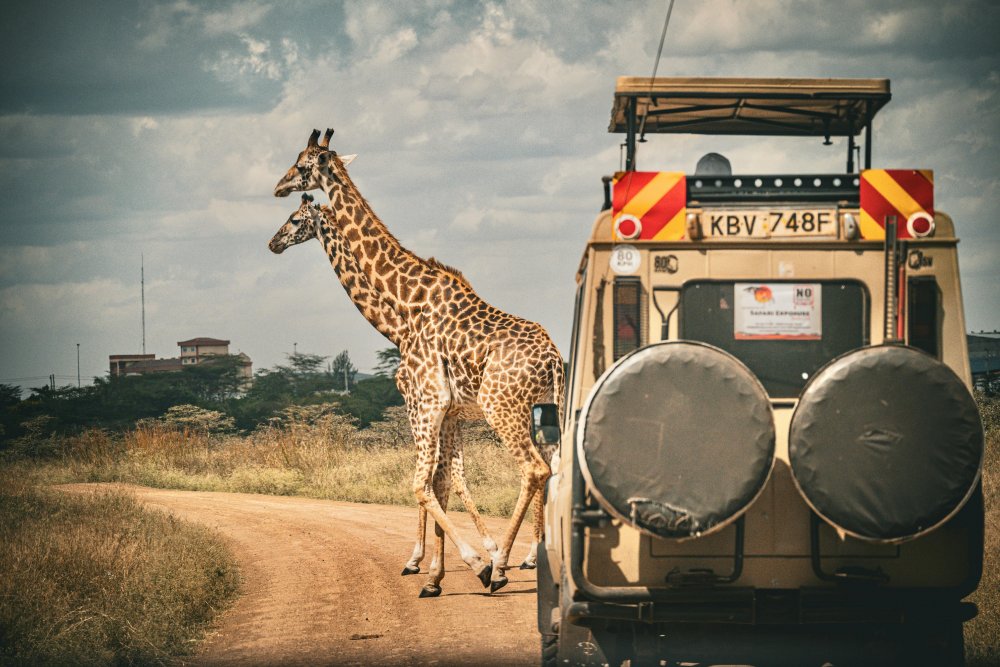
Planning your first African safari is an exhilarating experience that promises adventure, wildlife encounters, and memories that will last a lifetime. However, the excitement of booking your trip can sometimes overshadow important practical considerations that will significantly impact your experience. Whether you’re dreaming of witnessing the Great Migration in Tanzania or tracking the Big Five in South Africa, proper preparation is essential for making the most of this once-in-a-lifetime journey.
Timing Your Safari Makes All the Difference
The time of year you visit Africa will dramatically affect what you see and experience. Most safari destinations have distinct dry and wet seasons, each offering unique advantages for wildlife viewing and photography.
The dry season, typically from June to October in East Africa, concentrates animals around water sources, making them easier to spot. However, this is also peak tourist season, meaning higher prices and more crowded parks. The wet season brings lush landscapes, newborn animals, and fewer tourists, but some roads may become impassable and animals disperse across larger areas.
Consider what you most want to see when planning your dates. If witnessing the wildebeest migration is your priority, you’ll need to time your visit to coincide with their movement patterns. Bird enthusiasts often prefer the wet season when migratory species arrive in spectacular numbers.
Budget Beyond the Base Price
Safari costs can vary wildly, from budget camping trips to luxury African safaris with private guides and exclusive lodges. Understanding what’s included in your package price is crucial to avoid unexpected expenses that can quickly add up.
Most safari packages include accommodation, meals, park fees, and game drives, but always verify these details before booking. International flights, visa fees, travel insurance, and tips for guides and staff are typically separate expenses that can significantly increase your total cost.
Don’t forget to budget for extras like laundry services, premium beverages, spa treatments, and optional activities such as hot air balloon rides or cultural village visits. Setting aside an additional 15-20% of your base safari cost for these extras and gratuities is a smart planning strategy.
Health Preparations Are Non-Negotiable
Medical preparation for an African safari requires advance planning, as some vaccinations need to be administered weeks before departure. Consult a travel medicine specialist at least six to eight weeks before your trip to discuss required and recommended immunizations.
Malaria prophylaxis is essential for most safari destinations, though the specific medication will depend on your itinerary and personal health history. Your doctor can recommend the best option and explain proper usage, as some medications need to be started before arrival and continued after departure.
Pack a comprehensive first-aid kit including prescription medications, anti-diarrheal medicine, pain relievers, antihistamines, and any personal medications you require. Many safari locations are remote, and accessing specific medications or medical care can be challenging.
Packing Smart Means Packing Light
Airlines servicing safari destinations often impose strict baggage weight limits, particularly for smaller aircraft used between camps. Most limit passengers to 15-20 kilograms in soft-sided bags, making strategic packing essential.
Focus on neutral-colored, lightweight, breathable clothing that can be layered for varying temperatures. Mornings and evenings can be surprisingly cold, even in Africa. A good pair of binoculars, a quality camera with extra batteries and memory cards, and a hat with a brim are safari essentials.
Leave expensive jewelry at home and bring only necessary electronics. Most lodges provide laundry services, so you can pack fewer clothes and have items washed during your stay. Remember that dust is inevitable on safari, so don’t bring anything you’d be devastated to see get dirty.
Your Attitude Shapes Your Experience
Safari success isn’t measured solely by the number of animals you see or photographs you capture. The unpredictability of wildlife viewing is part of the magic, and maintaining realistic expectations will enhance your enjoyment.
Animals are wild and follow their own schedules, not yours. Some days you might witness extraordinary predator-prey interactions, while other drives might be quieter. Trust your guide’s expertise and remain patient. The most memorable moments often happen when you least expect them.
Respect wildlife by following your guide’s instructions, maintaining appropriate distances, and never attempting to attract animals’ attention. Remember that you’re a guest in their habitat, and responsible tourism helps preserve these incredible ecosystems for future generations.
Conclusion
Your first African safari represents a significant investment of time, money, and anticipation. By understanding these five critical aspects of safari planning, you’ll be better prepared to handle the practicalities while remaining open to the wonder and spontaneity that make African safaris truly transformative. The key is balancing thorough preparation with flexibility, allowing yourself to fully immerse in one of the world’s most spectacular travel experiences.
Travel can sometimes be a way to discover who you really are
Snag a free workbook and get inspiration on all the ways to love your life even more.
>>Click Here to Discover Additional Articles on the Power of Decision Making <<