
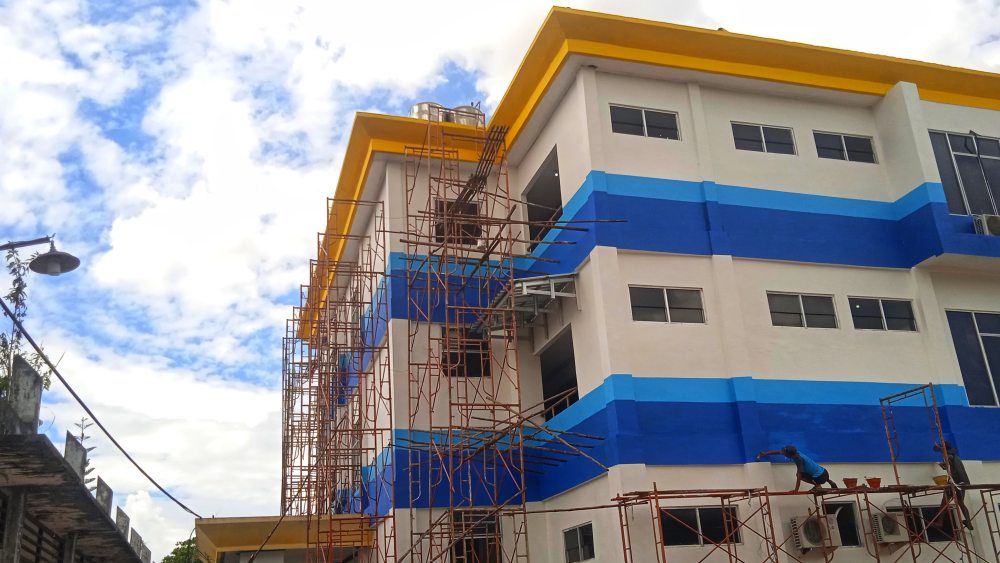
A commercial building says a lot before anyone steps inside. The exterior sets expectations. The interior shapes how employees and visitors feel every day. When paint starts to fail, it affects more than appearance—it can impact safety, morale, and even your brand image.
Many property owners wait too long to repaint because the signs appear slowly. By the time the damage is obvious, repairs often cost more than planned maintenance. This is especially true in spaces designed to support growth, such as new commercial construction by MK Co, where finishes are expected to reflect professionalism and long-term durability.
This guide breaks down the clear, practical signs that a commercial building needs repainting, so you can act early and make smarter decisions.
1. Fading or Discolored Paint
One of the easiest signs to spot is fading.
Over time, sunlight, rain, and pollution break down paint pigments. Colors that once looked bold and professional may now appear dull, washed out, or uneven.
Fading paint can:
-
- Make a building look neglected
- Reduce curb appeal
- Create an outdated appearance
This is especially noticeable on exterior walls and sun-facing sides of the building.
2. Peeling, Cracking, or Bubbling Surfaces
Paint should form a smooth, protective layer. When it starts to peel or bubble, that layer has failed.
Common causes include:
-
- Moisture trapped under the paint
- Poor surface preparation
- Aging paint materials
These issues are more than cosmetic. Exposed surfaces underneath paint can lead to rot, rust, or long-term structural damage if ignored.
Professionals who handle large-scale building paint upgrades often stress that peeling paint is a warning sign—not just an eyesore.
3. Visible Stains That Won’t Wash Away
Some stains go deeper than surface dirt.
Look out for:
-
- Water stains
- Rust marks
- Smoke discoloration
- Grease buildup
If cleaning doesn’t improve the appearance, repainting is often the only effective solution. Persistent stains can make even a clean building feel unkempt.
4. Frequent Touch-Ups Are Becoming Normal
If your maintenance team is constantly touching up walls, it may be time for a full repaint.
Repeated patching often leads to:
-
- Uneven color
- Mismatched finishes
- A “patched together” look
At a certain point, repainting the entire area is more efficient and cost-effective than ongoing fixes.
5. Outdated Color Schemes
Paint styles change, just like architecture and branding.
Colors that once felt modern may now look:
-
- Too dark
- Too yellow
- Too dull
- Too busy
Outdated colors can affect how clients and employees perceive your business. Neutral, balanced tones often make spaces feel cleaner, brighter, and more professional.
Many property managers consult commercial interior refresh specialists to update color schemes without changing furniture or layouts.
6. Noticeable Wear in High-Traffic Areas
Some parts of a building age faster than others.
Common high-wear zones include:
-
- Hallways
- Stairwells
- Lobbies
- Entryways
- Break rooms
Scuffs, scratches, and chipped paint in these areas create a negative first impression. Durable, modern coatings can dramatically improve both appearance and longevity.
7. Paint Is Chalky or Powdery to the Touch
If you rub your hand against a wall and it leaves residue, the paint is breaking down.
This chalking effect:
-
- Signals aging paint
- Reduces protection
- Makes surfaces harder to clean
Once paint reaches this stage, it no longer performs its job properly and should be replaced.
8. Moisture Issues Are Becoming More Visible
Paint often reveals hidden moisture problems before they cause serious damage.
Watch for:
-
- Bubbling paint
- Dark spots near ceilings or floors
- Peeling around windows or doors
These signs don’t always mean repainting alone will solve the problem—but fresh paint is usually part of the solution after moisture issues are addressed.
9. The Building Looks Clean—but Still Feels Old
Sometimes the issue isn’t damage—it’s perception.
If your building:
-
- Feels tired despite regular cleaning
- Looks dated compared to nearby properties
- Doesn’t reflect your current brand or standards
A new paint job can create a dramatic transformation without renovation or downtime.
This is why many organizations schedule repainting as part of long-term property upkeep rather than waiting for visible failure.
10. Employees or Tenants Are Complaining
Feedback matters.
Common complaints include:
-
- Spaces feeling dark or depressing
- Walls looking dirty even when clean
- Offices feeling outdated
Paint affects mood, productivity, and comfort more than most people realize. Addressing these concerns early can improve satisfaction without major disruption.
11. Safety and Compliance Concerns
In some cases, paint issues go beyond appearance.
Examples include:
-
- Faded safety markings
- Poor visibility in stairwells
- Worn paint on handrails
Repainting helps maintain clear visuals and supports a safer environment for employees and visitors.
12. It’s Been Many Years Since the Last Repaint
Even the best paint doesn’t last forever.
General repaint timelines:
-
- Interior commercial spaces: every 5–7 years
- Exterior surfaces: every 7–10 years (depending on exposure)
If you can’t remember the last time the building was painted, that alone may be a sign it’s time to evaluate its condition.
Many property owners work with experienced commercial painting teams to assess wear and plan repainting before problems escalate.
Interior vs. Exterior Warning Signs
Interior repainting signs:
-
- Scuffed walls
- Stains or discoloration
- Outdated colors
- Uneven touch-ups
Exterior repainting signs:
-
- Fading
- Peeling or cracking
- Exposed surfaces
- Poor curb appeal
Both matter, but exterior paint often requires more urgency due to weather exposure.
Why Acting Early Matters
Waiting too long to repaint can lead to:
-
- Higher repair costs
- More downtime
- Damage to underlying materials
Early repainting:
-
- Protects surfaces
- Preserves property value
- Improves appearance with less effort
It’s a preventive step, not just a cosmetic one.
Common Mistakes to Avoid
When evaluating whether repainting is needed, avoid:
-
- Assuming cleaning will fix everything
- Ignoring small problem areas
- Choosing paint without considering durability
- Repainting without addressing underlying issues
A thoughtful approach leads to better results and longer-lasting finishes.
Final Thoughts
Paint is one of the most visible and functional elements of any commercial building. When it starts to fail, the signs are usually there—you just need to know what to look for.
Fading, peeling, stains, and outdated colors all signal that repainting may be overdue. Addressing these signs early helps maintain a professional appearance, protects the building, and creates a better environment for everyone inside.
When a building looks cared for, it sends a clear message: this is a place that values quality, safety, and professionalism.
Want to know more ways to manage your business world?
Snag a free workbook and get inspiration on all the ways to love your life even more.
>>Click Here to Discover Additional Strategies for Managing Stress, Anxiety, and Burnout <<
You May Also Find These Articles Helpful
 10 Warning Signs When You Feel Too Stressed at Work
 Building Self-Trust: A 5-Part Guide to Consistency, Confidence, and a Routine You Can Trust
 And the First Thing to Surface: Dirt
 Creating a Routine You Can Trust: Building Habits That Stick
 Daily Actions, Lasting Success: Building Goals Into Your Routine