
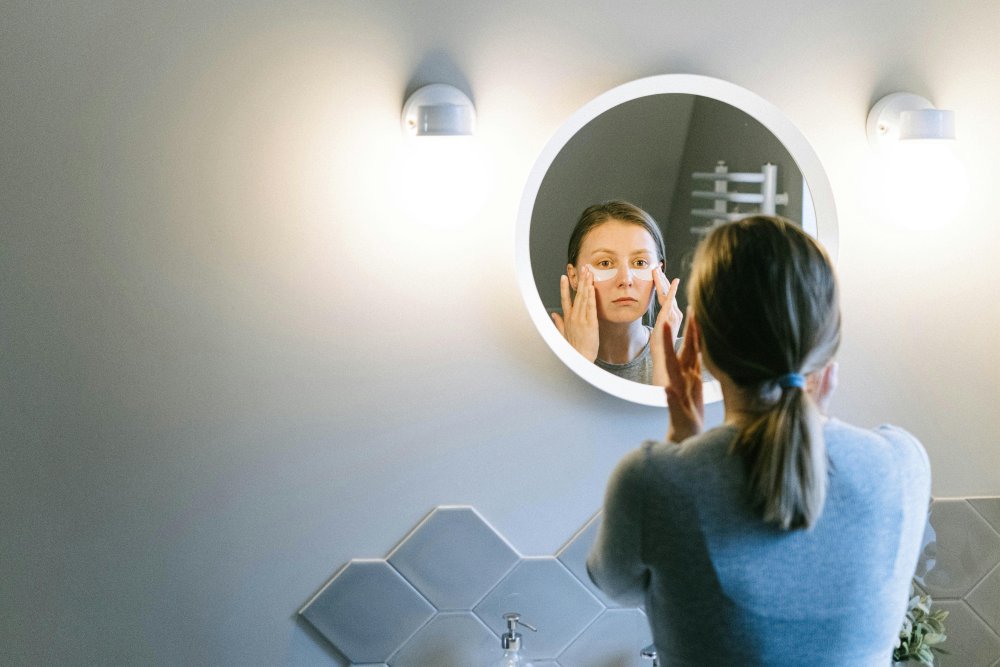
In Beverly Hills, the idea of beauty often focuses on subtle changes rather than dramatic ones. Many people begin with small, non-surgical treatments to maintain a refreshed look while keeping their features natural. Fillers have become a familiar starting point because they’re quick, flexible, and easy to adjust over time. For a while, they do exactly what people hope for.
But aging doesn’t stand still. What works in your late thirties might not feel right in your mid-forties or fifties. At some point, the results from fillers may feel temporary, less noticeable, or simply not enough.
That moment can feel confusing. Should you continue with what you know, or consider something more lasting? In practice, there are certain situations where a facelift becomes a more logical choice than adding more filler.
Here are six clear signs that point in that direction.
1. The Jawline Is Losing Definition
One of the earliest places people notice aging is along the jawline. The definition softens slowly, and at first, it’s easy to ignore. Over time, though, the lower face can start to look heavier or less structured, even if fillers are still part of the routine.
This is when people begin exploring options like a Facelift in Beverly Hills to understand what can restore contour rather than just add volume. The shift usually happens when the concern becomes more about sagging than hollow areas. A structural lifting approach is part of what places like Torkian Facial Plastic Surgery focus on, with techniques designed to reposition deeper facial tissue and redefine the jawline.
A facelift addresses this differently. Instead of adding, it lifts. That shift in approach can create a more natural contour when sagging becomes the main issue.
2. You’re Getting Fillers More Frequently Than Before
At first, touch-ups might happen once or twice a year. Over time, appointments can become more frequent just to maintain the same look. The changes feel smaller, and the results don’t last as long.
This is where people begin reassessing. It’s not that fillers stop working. It’s that the aging process is affecting deeper structures that fillers can’t fully support anymore.
When maintenance starts to feel constant, a more long-term solution can begin to make sense. A facelift won’t stop aging, but it can reset the foundation, allowing the face to age more gradually from that point forward.
3. Skin Laxity Is Becoming the Main Concern
Fillers are excellent for restoring volume. They’re not designed to tighten loose skin. As collagen decreases over time, the skin can start to sag around the cheeks, mouth, and neck. No amount of filler can truly tighten that.
What we’ve seen is that some people try to compensate by adding more volume. Sometimes it helps slightly. Other times, it creates a look that feels puffy instead of refreshed.
When laxity becomes the primary issue, lifting tends to be more effective than filling. That’s the difference between treating a surface concern and addressing what’s happening underneath.
4. The Face Looks Tired Even After Treatment
This is one of the most common frustrations. You’ve done the treatments. You’ve kept up with appointments. But the reflection still looks tired.
This happens when aging affects the mid-face and lower face at the same time. Fillers can soften certain lines, but they don’t reposition tissue that has shifted downward.
A facelift works by lifting and reshaping, which can bring back that rested appearance many people are hoping for. It’s less about looking younger and more about looking like yourself again.
5. You Want Results That Last Longer
One of the biggest differences between fillers and surgery is time. Fillers fade. That’s part of how they’re designed, and maintenance is expected.
For some people, that ongoing cycle starts to feel tiring. Appointments, touch-ups, and the gradual fading can make it hard to feel like there’s a stable baseline.
A facelift offers results that hold their shape longer. Aging continues, of course, but from a more refreshed starting point. From experience, many people begin considering this option when they’re ready for something more lasting rather than temporary.
6. You’re Looking for a More Natural Long-Term Outcome
It might sound surprising, but many people feel that a well-done facelift looks more natural than repeated fillers over many years. That’s because it restores structure rather than building volume.
When facial tissues are lifted and repositioned, expressions can look more balanced and relaxed. The goal isn’t to change how someone looks. It’s to restore what time has gradually softened.
People often reach this stage after years of trying smaller treatments. They’re not looking for a dramatic shift. They’re looking for harmony.
Conclusion
Fillers have an important place in aesthetic care. They’re flexible, effective, and often the perfect starting point for early signs of aging. But they aren’t meant to solve every concern forever.
As skin changes and structure shifts, the face may need a different kind of support. When volume stops creating lift, when the jawline softens, or when maintenance begins to feel constant, it may be time to think beyond temporary solutions.
A facelift isn’t about replacing fillers completely. It’s about recognizing when the goal has changed. For many people, that moment arrives gradually, shaped by what they see in the mirror and how they want to feel moving forward.
Want to grow your confidence and love your life more?
Snag a free workbook and get inspiration .
>>Discover More Ways to Love Your Life and Yourself<<