
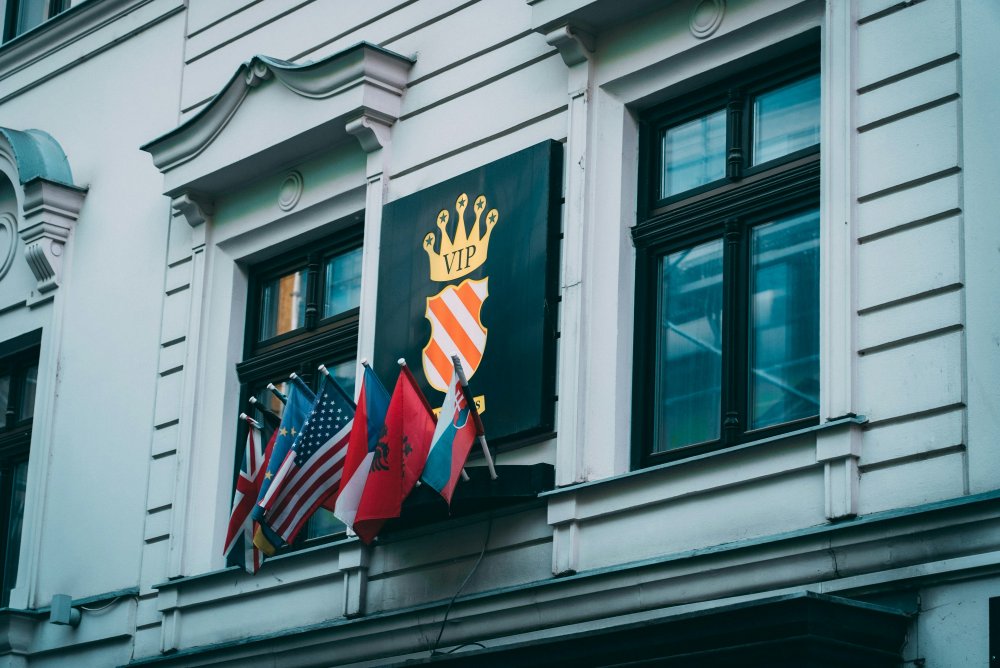
A career in the Foreign Service attracts people who want their work to matter beyond borders. Diplomats and development professionals shape trade agreements, respond to humanitarian crises, and represent their countries in complex negotiations. Washington, D.C., for example, serves as a major hub for embassies, global institutions, and policy organizations, making it a focal point for international decision-making. It is easy to see why many students feel drawn to this path.
At the same time, the journey from interested student to respected diplomat is not automatic. Governments and global organizations expect candidates to understand history, economics, political systems, and international law in depth. They also look for cultural awareness and analytical discipline. That is why pursuing a degree in international relations is a practical and strategic step for anyone who wants to turn passion into professional credibility.
Building this career requires more than good intentions. You need structured knowledge, measurable skills, and real-world exposure. Once you understand that foundation, you can start mapping out a clear route into Foreign Service and International Development work.
Building the Right Educational Foundation for Global Impact
If you want to work in diplomacy or development, your education must do more than check a box. It should train you to analyze global systems, interpret policy decisions, and understand how economic and political forces interact. A strong academic background helps you connect daily headlines to long-term geopolitical patterns and evaluate competing policy options with clarity and confidence.
Employers in this field consistently seek candidates who understand global institutions, policy frameworks, and cross-border economics. Earning a degree in international relations demonstrates that you have studied these systems in depth and developed the analytical discipline required for diplomatic and development roles. Programs in this field typically combine global politics, international law, economics, and regional studies, giving you both theoretical grounding and practical insight.
Understanding the Core Pillars of International Development Work
International development focuses on improving stability, opportunity, and quality of life across communities. Its core pillars include economic growth, strong governance, public health, access to education, and environmental sustainability. Professionals in this space design and evaluate programs that address poverty, strengthen institutions, and expand access to essential services.
You will often collaborate with governments, nonprofits, and multilateral institutions to implement these initiatives. That work demands evidence-based decision-making and careful resource management. Development is not about short-term relief alone. It prioritizes long-term systems that help communities build resilience and independence.
Navigating the Foreign Service Officer Test and Selection Process
The Foreign Service Officer Test is one of the first formal hurdles for aspiring diplomats. It evaluates knowledge of U.S. government, world history, and economics, as well as communication skills and situational judgment. After the written exam, candidates submit personal narratives and, if selected, complete an oral assessment that tests leadership, composure, and problem-solving.
Preparation requires consistent engagement with global news and policy debates. You should practice structured writing and refine your ability to defend ideas clearly. Many successful candidates also seek mentorship from current officers who can explain what the selection panels value. The process is demanding, but strategic preparation significantly improves your odds.
The Importance of Multilingualism and Regional Expertise
Language skills are not optional in international careers. They strengthen negotiation capacity and show respect for local cultures. When you speak another language, you gain access to nuance that translation alone cannot provide. That skill can influence everything from conflict mediation to trade discussions.
Regional expertise adds another layer of credibility. By studying the history, politics, and social dynamics of a specific area, you position yourself as a specialist rather than a general observer. Study abroad programs, field research, and overseas internships deepen that understanding. Together, language proficiency and regional focus make you far more effective on the global stage.
Gaining Field Experience Through Internships at NGOs and IGOs
Classroom knowledge gives you context, but field experience shows you how policy works in practice. Internships with non-governmental organizations and intergovernmental organizations expose you to program design, community engagement, and policy implementation. You see how funding decisions translate into real services and measurable outcomes.
These roles also help you develop practical skills such as drafting reports, coordinating stakeholders, and tracking project performance. Employers value candidates who understand operational realities, not just theory. Even short-term placements demonstrate initiative and commitment to global service.
Networking in the Digital Age: Leveraging LinkedIn and Alumni Circles
Professional relationships play a significant role in diplomatic and development careers. Platforms like LinkedIn allow you to connect with policy analysts, embassy staff, and development consultants worldwide. A well-crafted profile that highlights your education, language skills, and experience can attract meaningful conversations.
Alumni networks offer another powerful advantage. Graduates working in foreign ministries, global nonprofits, or multilateral banks often share insights and referrals. Informational interviews help you understand career paths and hiring expectations. When you approach networking with curiosity and professionalism, it becomes a learning tool rather than a transactional exercise.
Hard Skills vs. Soft Skills: What Global Leaders Truly Need
Technical competence builds credibility in international roles. You must know how to analyze policy documents, interpret data, prepare briefing notes, and understand legal frameworks. These hard skills enable you to contribute substantively to negotiations, program design, and strategic planning.
At the same time, soft skills determine how effectively you operate in diverse environments. Cross-cultural communication, emotional intelligence, adaptability, and ethical judgment shape your reputation and influence. Diplomacy often depends on listening carefully and responding thoughtfully. Professionals who balance analytical strength with interpersonal awareness tend to advance more steadily.
A Long-Term Roadmap for Career Growth in Global Diplomacy
Most people begin in entry-level roles such as research assistant, program coordinator, or consular staff member. These positions provide exposure to policy development, administrative systems, and international collaboration. With consistent performance, you can move into leadership roles that involve managing teams or shaping strategic direction.
Ongoing professional development remains essential throughout your career. Advanced degrees, language certifications, and specialized training in areas like trade or security can expand your options. Staying informed about global trends and policy shifts keeps your expertise relevant. A long-term mindset helps you adapt as international priorities evolve.
Want to know more ways to manage your work and personal life?
Snag a free workbook and get inspiration on all the ways to love your life even more.
>>Click Here to Discover Additional Strategies for Managing Stress, Anxiety, and Burnout <<
You May Also Find These Articles Helpful
 Personal Development Tips for Every Myers-Briggs Type (+ Journal Prompts)
 Six Ways to Maintain Confidence During a Career Change
 Eight Things to Consider When it Comes to Self-Development Work
 Are Your Desires Always Last? Here’s 8 Steps to Make Yourself a Priority
 Set Authentic Priorities for Your Life by Defining all the Roles You Fill