
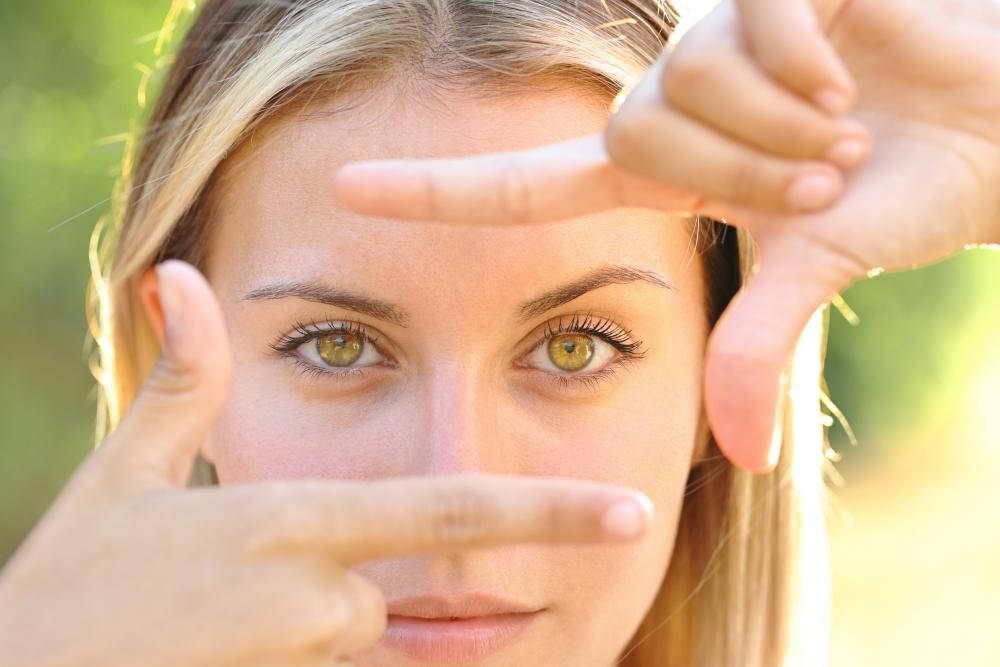
Have you ever looked at someone and thought they looked refreshed, but couldn’t quite tell why?
That’s usually the moment people start wondering what “good Botox” actually looks like. It’s not always obvious, and that’s kind of the point. When results are done well, they don’t announce themselves—they blend in so naturally that most people can’t pinpoint what changed.
In places like Mountain View, where aesthetic treatments are widely explored but expectations tend to lean toward subtlety, the conversation has shifted away from dramatic transformations and toward results that feel almost invisible. People aren’t just asking whether Botox works—they’re asking how it should look when it’s done right.
Understanding those small, often overlooked details can make it easier to distinguish between overdone and well-executed results. Below are 7 subtle signs that help define what “good Botox” really looks like.
1. Your Face Still Moves Naturally
One of the biggest concerns people have is ending up with a frozen or expressionless look. This usually happens when too much product is used or when it’s placed without considering how facial muscles work together.
That’s what leads people to start researching options like BOTOX in Mountain View, paying closer attention to preserving natural movement rather than eliminating it. At that stage, consultations tend to focus on how expressions—like smiling or raising the eyebrows—will still come through after treatment.
Within that evaluation, experienced providers like SF Bay Area Plastic Surgery tend to approach treatments with a focus on balance, considering how different muscle groups interact instead of treating each line in isolation. When that balance is right, expressions remain recognizable, just softer and less strained.
2. Lines Look Softer, Not Completely Erased
There’s a noticeable difference between smoothing lines and removing them entirely. When Botox is done well, fine lines tend to fade into the background rather than disappear completely. This happens because natural skin still folds and moves, even when muscle activity is reduced.
Trying to eliminate every line can create a flat or overly tight appearance that feels out of sync with the rest of the face. Subtle softening tends to look more believable. It allows the face to retain character while still reducing the intensity of expression lines.
3. Your Forehead Doesn’t Look Overly Tight
The forehead is one of the most common areas treated with Botox, which also makes it one of the easiest places to spot when something feels off. When too much tension is removed, the forehead can look unnaturally smooth or stiff, especially when trying to raise the eyebrows.
That lack of movement can draw attention rather than blend in. Well-done results keep a degree of flexibility. The skin looks smoother, but it still responds to expression in a way that feels natural and in proportion with the rest of the face.
4. Your Eyebrows Sit in a Natural Position
A subtle lift in the eyebrows can make the face look more open and refreshed, but small changes in placement can significantly affect the outcome. If the balance isn’t right, the brows may appear too arched or uneven, which can create an unintended expression.
This usually comes down to which muscles are relaxed and which are left active. When the result is done well, the brows settle into a position that feels like a natural version of their original shape, rather than something noticeably altered.
5. The Results Don’t Draw Attention
One of the clearest signs of good Botox is that people notice something different—but they can’t quite identify what it is. Instead of focusing on a specific feature, the overall impression is that the face looks more rested or refreshed.
There’s no single area that stands out as “treated,” which is usually the goal. This kind of result blends into everyday expressions, making it feel like a natural shift rather than a cosmetic change.
6. Your Smile Still Feels Like Yours
The lower part of the face plays a big role in expression, especially when it comes to smiling or speaking. If Botox affects surrounding muscles too much, it can subtly change how the smile appears or how the mouth moves.
That shift might not be obvious at first, but it can feel unfamiliar over time. When everything is balanced correctly, the smile remains consistent with how it looked before—just without the added tension from surrounding lines.
7. The Results Settle Gradually
Botox doesn’t transform the face overnight. Instead, results tend to develop over several days, gradually softening lines and adjusting muscle activity. This slower progression helps the change feel more natural, both for the person receiving the treatment and for those around them.
It avoids the sudden shift that can sometimes make cosmetic work more noticeable. That gradual settling is part of what makes well-done Botox feel seamless—it integrates into the face rather than standing apart from it.
Conclusion
“Good Botox” isn’t defined by how much change you see—it’s defined by how natural that change feels. From subtle movement to balanced expressions and gradual results, the details tend to matter more than the overall transformation.
What stands out is how understated everything becomes when it’s done well. Instead of altering how the face looks, the goal shifts toward refining what’s already there. And once you know what to look for, those small, intentional details become much easier to recognize.
Want to grow your confidence and love your life more?
Snag a free workbook and get inspiration .
>>Discover More Ways to Love Your Life and Yourself<<