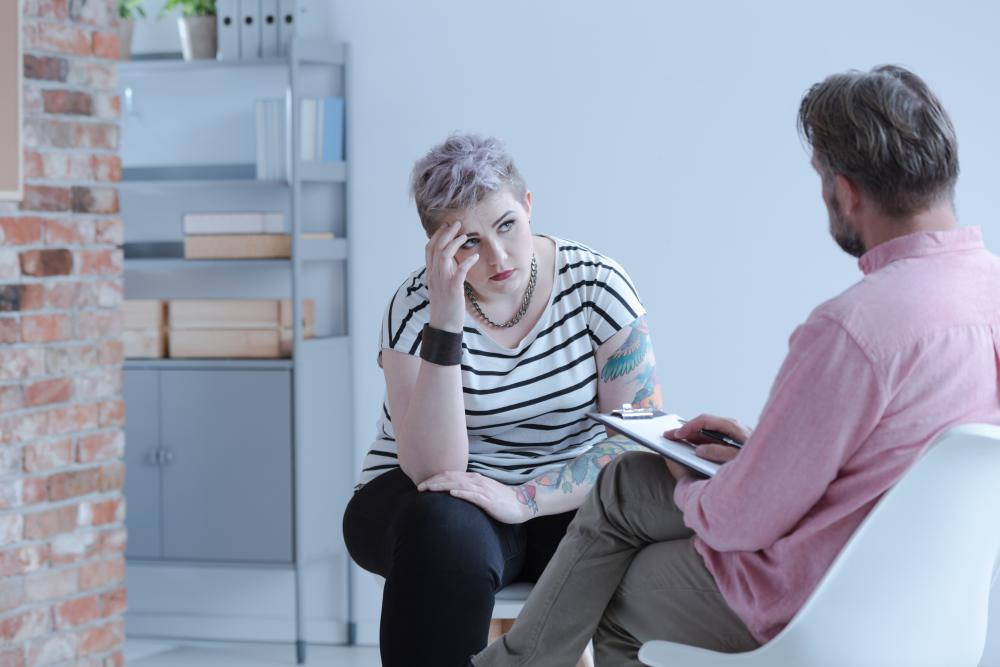
Recovery is lonely sometimes. But the community can make a difference. For many women, especially those over 35, having people who understand or at least try to understand is invaluable. It doesn’t fix everything. But it helps. This is about how leaning on support groups, friendships, safe circles of trust, can really matter when someone is going through opioid or drug addiction treatment.
Why does it feel so hard alone?
When you’re in recovery, there are days you feel ashamed. Guilty. Scared. Maybe also judged. Many women don’t seek help early on because of stigma (“What will people think?”), or because their caretaking role (kids, family) makes it hard. Logistical issues, transport, finance, and schedule
And for many, the added fear of withdrawal makes it even harder to take the first step. Learning what drugs cause withdrawal symptoms can show just how challenging this stage may be, especially when both physical and emotional struggles are involved. That knowledge often explains why people hesitate, even when they want to get better.
Also, many treatment systems are not made with women’s specific needs in mind. Things like child care, feeling safe, trauma history, and feeling comfortable speaking in mixed-gender groups. These can be significant barriers.
How the community helps
Here are ways community support gives strength:
-
- Emotional support — Having someone who listens, who says “I see you,” someone who doesn’t judge. When you feel weak, having a friend or peer who says you are doing well can keep you going. For instance, a friend who understands your struggle with cravings and can offer a listening ear can be a great source of emotional support.
- Practical help — Things like someone driving you to treatment, childcare so you can go to meetings, and helping with chores when you’re low. These small acts help relieve stress, allowing you to focus more on healing.
- Safe spaces to share — In groups (peer groups, women-only groups, support groups), you can show up as you are, with shame, with slip-ups. Here, trauma, abuse, and backstory can be discussed without being dismissed, providing a sense of security and understanding.
- Belonging and accountability — When you have people who remember you, check in, encourage, and gently push, it creates a sense that you are not alone in this recovery process. This feeling of support and companionship can be a powerful motivator.
- Understanding vs being fixed — People in recovery or who know about recovery often understand the messy parts: relapses, cravings, shame. That understanding can feel more comforting than being told, “You shouldn’t slip up,” by someone who doesn’t understand what it is. It’s about feeling validated and accepted in your journey.
What makes a good safe circle
Not all groups or friends are equally helpful. Here are features of a strong support community:
-
- Trust and honesty without shaming.
- Consistency—people show up regularly.
- Shared or understood experience.
- Respect for boundaries.
- Emotional and physical safety.
Real examples and small steps
Here are some things women have done or could do to build or find community:
-
- Joining a local recovery support group (NA, SMART, or women-only groups if available).
- Online forums or groups if travel is an issue.
- Ask friends or family to do simple accountability check-ins.
- Treatment centers or nonprofit organizations often offer peer support programs.
- Trauma-informed therapy groups.
What to watch out for
Community helps, but it can also hurt if not used correctly. Some pitfalls:
-
- People who enable addiction or still use.
- Groups where you don’t feel safe or respected.
- Helpers are burning out because they take on too much.
- Pretending you’re fine to avoid burdening others.
How to find your community
If you’re looking to build or lean on a safe circle, here are places to start:
-
- Ask your treatment center or counselor about local or online peer support groups.
- Search social media or Meetup for women’s recovery groups.
- Look for women-centered programs when possible.
- Use online groups if physical ones are too hard to attend.
- Invite trusted friends into your journey.
If you don’t know where to begin, reading about different treatment options from clinics like ANR Clinic can help you understand what kinds of support exist and how programs are structured.
Final thoughts
Recovery isn’t a straight line. There will be good days and bad days. But strength from the community is like having a net under you. Even when you wobble, you don’t fall as far.
Women over 35 often carry a lot—family, work, expectations. Recovery adds another layer. You don’t have to take it all alone.
Community doesn’t fix everything. But it changes things. It gives hope. It encourages you to reach out; you might be surprised by how much strength is waiting where people gather to help each other.
Do you need some strategies to help you make self-care a priority?
Snag a free workbook and get inspiration on all the ways to love your life even more.
>>Click Here to Discover Additional Articles on Strategies to Get Your Life on Track <<