
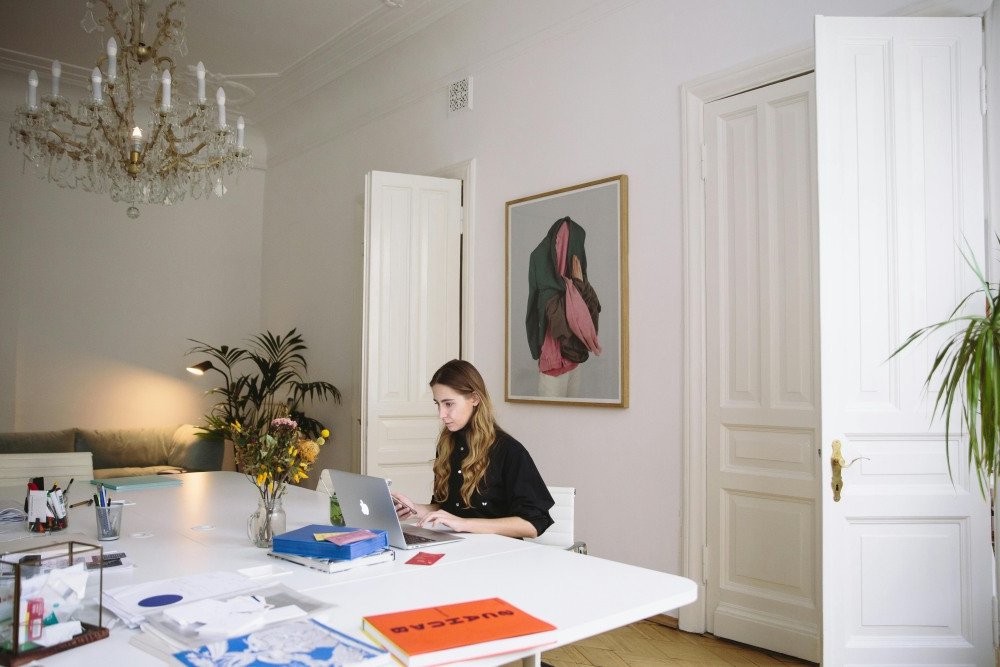
Your home is not just where you live — it is the environment that shapes your daily mood, stress levels, focus, and overall mental clarity.
Long before we consciously recognize it, our surroundings influence how calm we feel, how well we sleep, and how effectively we work. Even simple elements like natural textures, soft lighting, and thoughtfully placed wooden picture frames displaying meaningful memories can subtly reinforce a sense of warmth and emotional grounding.
Research in environmental psychology shows that lighting, layout, clutter levels, color choices, and sensory details directly affect emotional regulation and cognitive performance. The good news?
You don’t need a full renovation to create a space that supports peace and productivity. Small, intentional adjustments — such as incorporating wood accents, decluttering surfaces, or choosing calming tones — can make a meaningful difference.
Here’s how your home environment impacts mental well-being — and practical décor changes you can implement right away.
1. Natural Light Regulates Mood and Energy
Exposure to natural light helps regulate circadian rhythms, which influence sleep cycles, mood stability, and energy levels. Limited daylight exposure is associated with fatigue, reduced focus, and even seasonal mood changes.
Simple décor tips:
-
- Keep windows clear of heavy obstructions.
- Use sheer curtains instead of dark drapes.
- Position workspaces near natural light when possible.
- Add mirrors to reflect daylight into darker corners.
Maximizing natural light creates a subtle but powerful shift in emotional tone.
2. Clutter Increases Cognitive Stress
Visual clutter competes for your attention. When surfaces are crowded, your brain continues processing stimuli in the background, increasing mental load and reducing focus. Studies also link cluttered environments with elevated stress hormones.
Simple décor tips:
-
- Clear countertops and visible surfaces.
- Use concealed storage like baskets, drawers, and cabinets.
- Keep décor minimal and intentional.
- Establish a quick nightly reset routine.
A visually simplified space often translates into mental clarity.
3. Color Influences Emotional State
Color psychology research suggests that certain tones promote calm, while others increase stimulation. Soft blues, greens, and warm neutrals are commonly associated with relaxation and balance, while overly bright or high-contrast colors can elevate alertness and tension.
Simple décor tips:
-
- Use calming tones in bedrooms and workspaces.
- Introduce grounding colors through textiles (rugs, throws, cushions).
- Limit bold accent colors to small details rather than entire walls.
Even subtle color adjustments can shift the emotional atmosphere of a room.
4. Layout Affects Mental Flow
The way furniture is arranged influences how your brain perceives space and safety. Blocked pathways or cramped arrangements can create subconscious tension. Clear movement paths, on the other hand, support ease and comfort.
Simple décor tips:
-
- Create clear walking pathways.
- Define zones for work, relaxation, and family time.
- Avoid overcrowding rooms with unnecessary furniture.
- Keep entryways open and welcoming.
Physical flow encourages mental flow.
5. Sensory Elements Shape Nervous System Response
Your environment continuously stimulates your senses. Harsh lighting, persistent noise, or rigid textures can increase agitation. Softer lighting, natural materials, and subtle scents help regulate stress responses.
Simple décor tips:
-
- Use warm-toned light bulbs instead of stark white lighting.
- Add soft textures such as rugs, curtains, or cushions.
- Incorporate plants for a natural calming effect.
- Use subtle, clean scents rather than overpowering fragrances.
Small sensory upgrades can significantly improve how your home “feels.”
6. Defined Workspaces Improve Productivity
When work and relaxation areas blur together, focus suffers. The brain benefits from environmental cues that signal when it’s time to concentrate and when it’s time to unwind.
Simple décor tips:
-
- Designate a specific workspace, even if it’s a small desk.
- Keep only work essentials visible in that area.
- Maintain consistent organization to build routine cues.
- Add one motivating yet uncluttered decorative element.
Clear boundaries within your space help create clear mental boundaries.
7. Personal Meaning Builds Emotional Stability
A home that reflects identity and belonging can strengthen emotional resilience. Personal touches — when curated thoughtfully — reinforce comfort and security.
Simple décor tips:
-
- Display meaningful photos intentionally, not excessively.
- Choose décor that aligns with how you want to feel.
- Avoid decorating solely based on trends.
Your home should support your mental state, not overwhelm it.
The Bottom Line
Your home functions as a psychological ecosystem. It can either amplify stress or support calm. By adjusting lighting, reducing clutter, refining layout, and being intentional with color and sensory elements, you create an environment that supports both peace and productivity.
You don’t need perfection. You need intention. When your space feels balanced, your mind often follows.
Little things can upgrade the quality of your daily life.
Snag a free workbook and get inspiration on all the ways to love your life even more.
>>Click Here to Discover Additional Articles on How to Fall in Love with Yourself and Your Life <<
You May Also Find These Articles Helpful
 Home Organization Tips for Every Myers-Briggs Personality Type
 Fourteen Productivity Tips When Working At Home
 Four Deceptively Simple Clearing Clutter Tips That Help You Create Lasting Habits
 Clearing Clutter from Your Home Can Be the Secret to Loving Your Life
 Ten Strategies For Gaining Mental Clarity When You Feel Overwhelmed