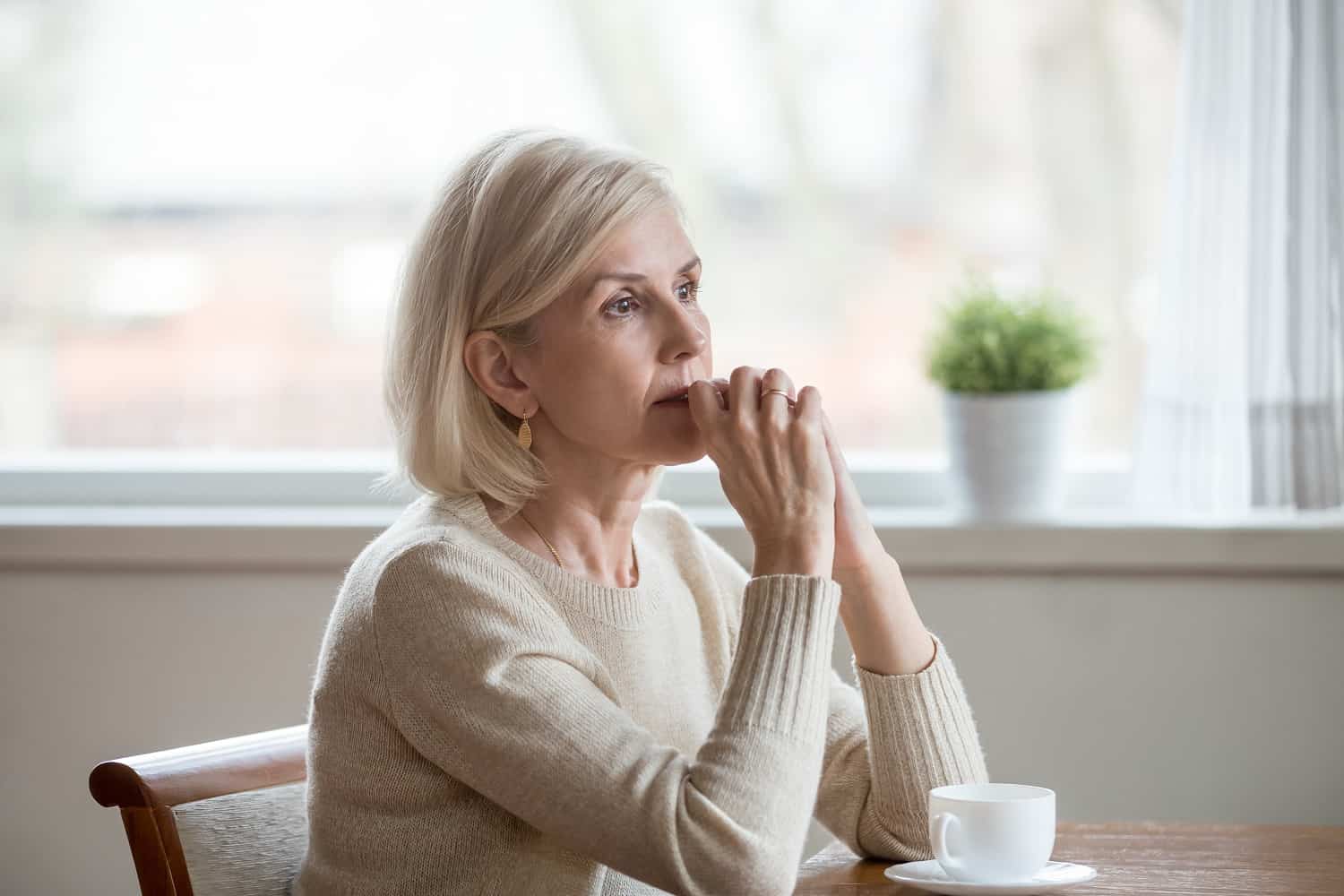
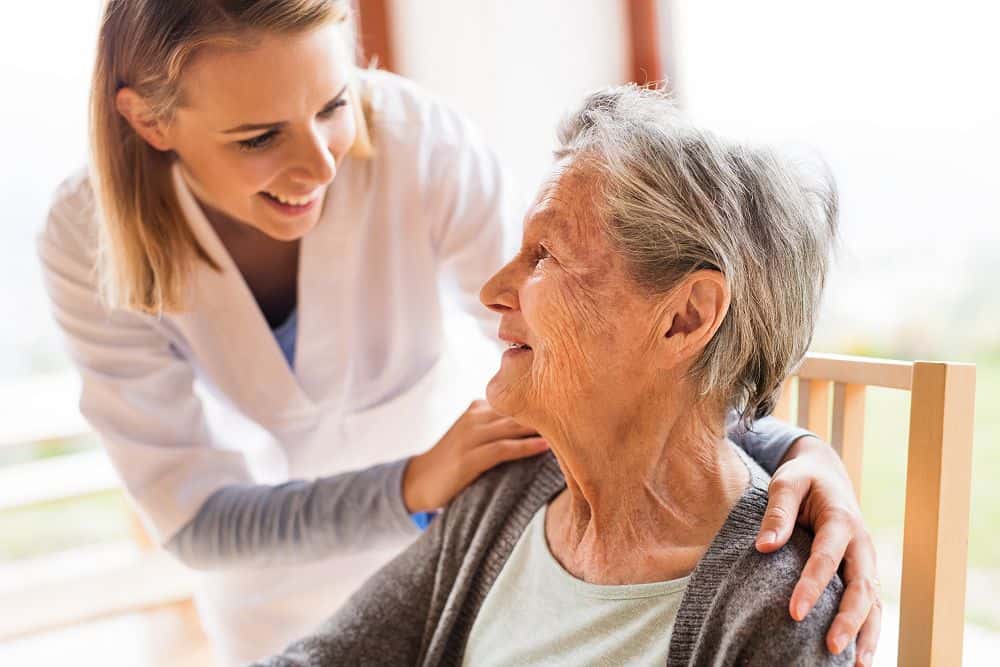
Let’s take a moment and look around. Families are changing. Communities are aging. And healthcare? It’s evolving right along with them.
In states like North Carolina, this shift feels even more urgent. Seniors now represent about 17% of the state’s population. That is not a small number. When nearly one in five residents falls into the older adult category, healthcare systems cannot afford to stay the same.
Longer life expectancy sounds like great news, and it is. But it also raises important questions. Who supports seniors when chronic conditions become harder to manage? Who helps after a hospital stay? This is where skilled nursing steps in. As the senior population continues to grow, the role of skilled nurses grows with it.
So what does that actually look like in practice? And why does it matter more now than ever? Let’s walk through the key areas shaping the future of senior care.
Strengthening Senior Care Through Advanced Nursing Education
Healthcare does not stand still, and neither should the people delivering it. As seniors live longer and manage more complex health conditions, nurses need sharper clinical skills and broader knowledge. That is where advanced education makes a real difference.
When a nurse moves from an associate degree to a BSN, the shift is not just academic. It builds stronger assessment skills. It deepens understanding of evidence-based practice.
In a state like North Carolina, where retirees continue to settle in growing communities, the need for highly trained nurses becomes even more pressing. Healthcare systems cannot rely on outdated models. They need nurses prepared to handle complex care plans, chronic disease management, and long-term support.
That is why credible institutions now offer online RN to BSN programs in North Carolina. These programs allow working nurses to advance their qualifications while staying active in the workforce. The result? More skilled professionals who understand both bedside realities and advanced clinical standards.
Managing Chronic Conditions with Skilled Oversight
Many seniors live with more than one chronic condition. Diabetes may sit alongside heart disease. Arthritis may limit mobility, while respiratory issues affect stamina. Managing one condition takes attention. Managing several? That takes expertise, too.
Skilled nurses track subtle changes that others might miss. A slight increase in swelling. A drop in appetite. A pattern of fatigue that does not quite fit. These details often signal that something needs adjustment before it becomes an emergency. Nurses also help seniors understand why certain habits matter. They explain how diet, activity, and medication timing all work together. Without this oversight, small issues grow, hospital visits become more frequent, and recovery takes longer.
With skilled oversight, however, seniors often maintain stability. They stay home longer and feel more in control.
Providing Rehabilitation and Mobility Support
Surgery or illness often leaves seniors weaker than they expect. Muscles lose strength quickly. Balance becomes uncertain. Even simple tasks can feel exhausting. Rehabilitation is not just about exercise. It is about rebuilding confidence.
Skilled nurses work closely with therapists to track progress. They monitor pain levels and encourage safe movement. Every small improvement, such as simply standing up without assistance or walking a little farther than yesterday, matters.
Mobility ties directly to independence. When seniors regain strength, they regain freedom. Skilled nursing keeps that progress steady and safe.
Enhancing Medication Management and Safety
Medication routines grow complicated as prescriptions increase. Just imagine – different pills, different dosages, and different times of day – it can all get confusing pretty fast.
Skilled nurses organize medication schedules clearly. They reconcile prescriptions after doctor visits. They check for interactions that could cause harm. Plus, they educate seniors and families about what each medication does and what side effects to watch for. They also pay attention to changes in behavior or mood. Sometimes a new symptom links back to a recent prescription adjustment.
Medication safety protects more than physical health. It reduces anxiety and builds trust. Seniors feel reassured knowing a skilled nurse is looking after the details carefully.
Delivering Specialized Dementia and Memory Care
Memory loss changes more than recall. It reshapes daily life. Think how frustrating it must be for a senior who once handled finances, appointments, and family gatherings with ease to suddenly struggle with simple routines. That shift feels frightening, not only for them but for everyone around them.
Skilled nurses trained in dementia care understand how unpredictable cognitive decline can be. They look beyond the diagnosis and focus on patterns. Does confusion increase in the evening? Does noise trigger agitation?
Structure becomes powerful in memory care. Clear schedules. Consistent caregivers. Calm communication. These small adjustments reduce distress. Nurses also watch for physical discomfort that patients may not clearly express. Families carry emotional weight during this stage. They ask themselves if they are doing enough. They worry about safety. Skilled nurses step in with guidance and reassurance.
Dementia care requires patience, but it also requires skill. Both make a difference every single day.
Coordinating Care Across Healthcare Teams
Senior healthcare rarely involves one professional. A primary physician manages overall health. Specialists focus on specific conditions. Therapists address mobility or speech. Social workers assist with planning. Without coordination, information can scatter quickly.
Skilled nurses often hold the threads together.
They communicate updates between providers. They clarify medication adjustments and ensure that discharge instructions align with therapy plans. If a cardiologist changes a prescription, the nurse confirms that it does not conflict with another treatment.
Moreover, when skilled nurses guide communication, seniors and families do not have to chase down answers. They know someone keeps track of the moving parts.
In a healthcare system that grows more complex each year, coordination becomes one of the quiet strengths of skilled nursing.
Offering Emotional Support Alongside Clinical Care
Physical health tells only part of the story. Seniors often face emotional challenges that do not show up on lab results.
A new diagnosis can bring fear. Reduced mobility can lead to frustration. The loss of a spouse can deepen loneliness. These feelings linger beneath routine checkups and medication schedules.
Nurses spend more time with patients than many other providers. That time creates space for conversation. A nurse may notice when someone seems withdrawn. They may sense anxiety during treatment. They may hear concerns that patients hesitate to share elsewhere.
Listening does not replace clinical expertise, but it complements it. When seniors feel heard, they trust the care they receive. They ask more questions and follow treatment plans more confidently.
As senior healthcare continues to evolve, skilled nursing stands at the center of these changes.
Each of these roles and responsibilities connects back to one goal: supporting seniors with steadiness and respect. Healthcare will keep advancing. Populations will keep aging. Needs will keep shifting.
The steady presence of skilled nurses ensures that, no matter how complex things become, seniors never have to navigate those changes alone.
Want to learn more tips and tricks for loving your life no matter what?
Snag a free workbook and get inspiration on all the ways to love your life even more.
>>Click Here to Discover Additional Strategies for Keeping Your Life on Track <<