
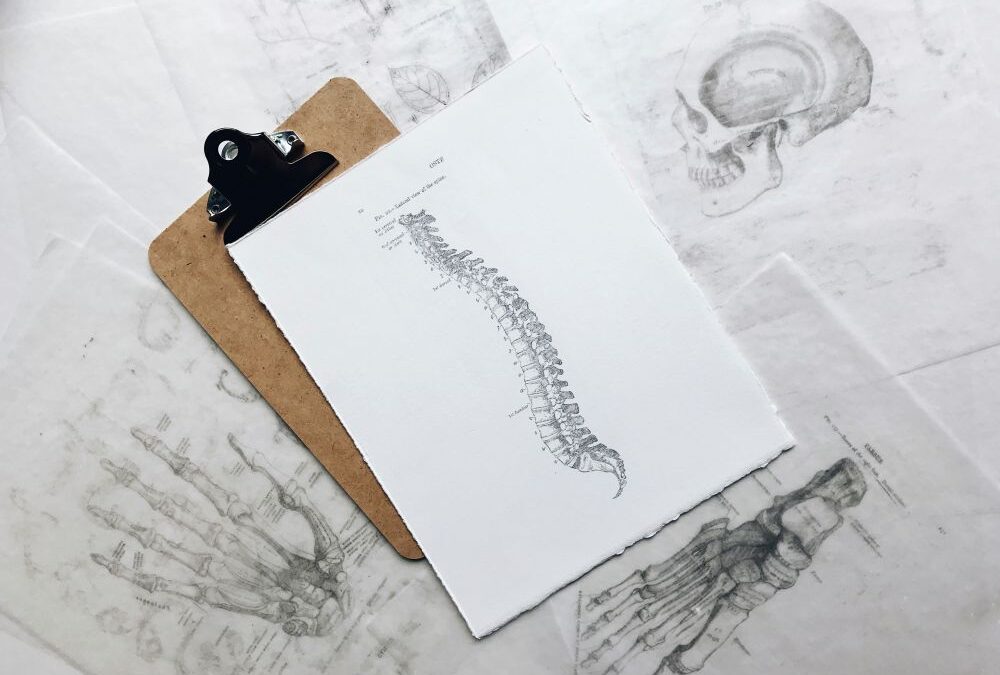
Back pain can be frustrating because it often has multiple causes, and not every source of discomfort shows up clearly on imaging. When an X-ray, CT scan, or MRI reveals a change in the spine, radiologists must interpret what they see and determine whether it explains the symptoms a patient feels. This is also where conservative care plays an important role, especially for people looking for relief close to home in Weston, Florida. For many patients, understanding imaging findings and learning how providers such as ChiroCare of Florida can support recovery helps reduce fear and creates a clearer plan forward.
What Radiologists Are Really Looking For
When a patient is referred for imaging, radiologists do not simply search for one obvious problem. Instead, they evaluate the entire spine, starting with alignment, bone density, and the spacing between vertebrae. Their goal is to identify any abnormalities that might compress nerves, reduce flexibility, or create ongoing inflammation. Even subtle changes can matter, particularly when symptoms have become persistent or disruptive.
Radiologists also review surrounding tissues, including muscles, ligaments, and discs, depending on the type of scan ordered. MRIs, for example, offer detailed views of soft tissue, making them valuable for diagnosing disc herniations, degenerative disc disease, or spinal nerve irritation. The key challenge is determining whether these findings directly match the symptoms reported, since many people with visible abnormalities experience little or no pain at all.
This careful interpretation is why imaging results should always be paired with a complete clinical evaluation. A radiology report is only one part of the puzzle. When combined with a physical exam and patient history, it becomes much easier for a healthcare team to develop an effective, conservative plan for relief.
Common Findings on Imaging and What They Mean
One of the most frequent findings radiologists see is degenerative disc disease, which simply describes natural wear that occurs as people age. While the term can sound alarming, mild to moderate degeneration is incredibly common and does not always require aggressive treatment. The same is true for osteoarthritis in the spine, where joint surfaces become roughened and stiff. These changes often progress slowly and can frequently be managed without surgery.
Another common imaging discovery is a herniated or bulging disc. In these cases, the inner material of a spinal disc presses outward, sometimes irritating a nearby nerve. Radiologists note the size and direction of the herniation, which helps clinicians decide whether conservative care is likely to resolve the problem. Many disc issues improve over time, especially when patients receive supportive care to reduce inflammation, improve mobility, and strengthen core muscles.
Spinal stenosis is also a frequent finding, particularly in people over 50. This condition involves narrowing of the spinal canal, which places pressure on the spinal cord or nerves. While stenosis can be painful, symptom severity varies widely. Imaging clarifies where the narrowing is occurring, but it does not automatically mean surgery is required. For many individuals, targeted non-surgical care provides significant improvement.
When Imaging Matters and When It Does Not
Patients need to know that imaging is not always necessary for back pain. Many episodes improve within weeks through rest, guided movement, and conservative treatment. Radiologists and physicians typically reserve imaging for cases where symptoms last longer than expected, involve nerve loss, or suggest something more serious such as a fracture or infection. This approach reduces unnecessary radiation exposure and avoids overdiagnosis.
Overreliance on imaging can sometimes lead patients to fixate on findings that are not truly responsible for their discomfort. Studies consistently show that people without back pain often display degenerative changes on imaging. This does not mean the findings are meaningless but rather that context is essential. Pain must be understood as a combination of physical, neurological, and lifestyle factors, not just what appears on a scan.
A balanced approach focuses on matching imaging results with symptoms and function. When a radiologist identifies a finding that clearly lines up with the pain pattern, clinicians can feel confident about tailoring a conservative care plan. When the findings do not fully explain symptoms, additional evaluation and movement-based assessment often fill in the gaps.
How Chiropractic Care Fits Into the Picture
Once imaging results are understood, many patients explore options that emphasize safe, nonsurgical recovery. Chiropractic care is often recommended because it supports natural spinal motion, reduces muscle tension, and promotes healing without medication. Chiropractors use imaging information to identify areas of restriction or misalignment, ensuring that adjustments are delivered precisely and safely. This is especially helpful for patients in Weston, Florida who want local, ongoing support.
Chiropractic care does not attempt to “fix” imaging findings directly. Instead, it focuses on restoring healthy joint movement, improving posture, and decreasing stress on irritated tissues. For example, gentle spinal adjustments may relieve pressure on surrounding structures, while rehabilitative exercises help stabilize the spine long term. Over time, these strategies can reduce inflammation and improve nerve function, even if the structural changes on imaging remain.
Another key benefit is collaborative care. Chiropractors often work alongside primary care physicians and specialists, including radiologists, to monitor progress and modify treatment when needed. This multidisciplinary approach means patients receive guidance that respects imaging results while still prioritizing conservative, evidence-informed care.
Understanding Imaging Helps Patients Make Better Decisions
When patients see their imaging results for the first time, it is natural to feel worried about unfamiliar medical terms and highlighted areas on the report. Learning what radiologists look for helps turn anxiety into clarity. Imaging provides valuable insight into spinal structure, but it is only one part of a broader care plan. With thoughtful interpretation and coordinated conservative treatment, many people find meaningful relief without invasive procedures.
Chiropractic care often plays a supportive role in that journey, especially when combined with movement, strengthening, and healthy habits. For individuals in Weston, Florida, having access to providers who respect both radiology insights and patient comfort can make the path to recovery feel much more manageable. By understanding what imaging truly reveals, patients are empowered to take an active, informed role in their back health.
Self-Care will Always Help You Love Your Life
Snag a free workbook and get inspiration on all the ways to love your life even more.
>>Click Here to Discover Additional Strategies for Managing Stress, Anxiety, and Burnout <<