
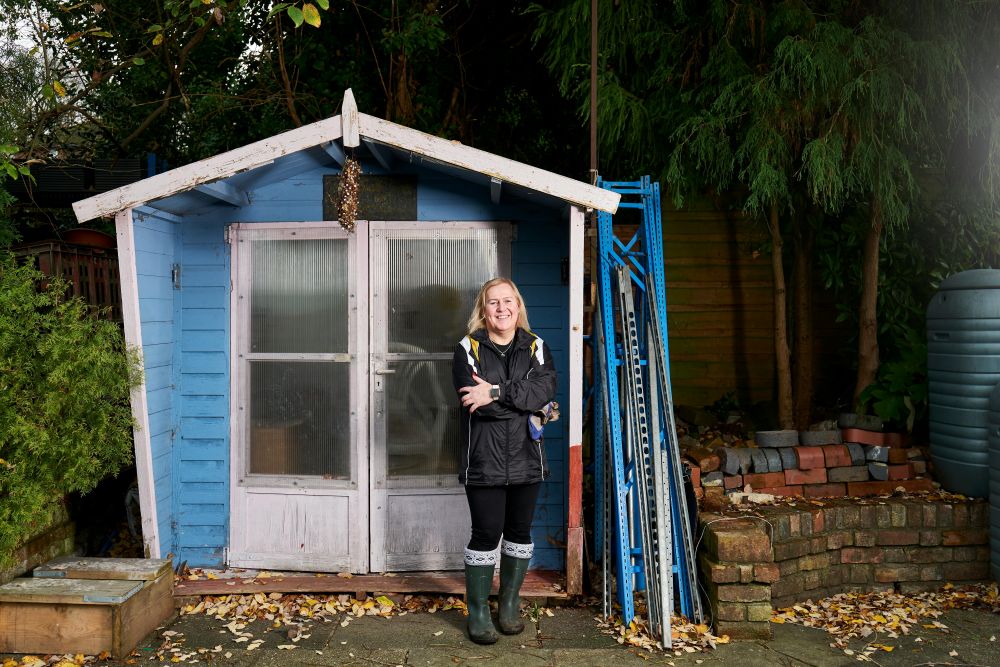
There are things we can live alongside for years without really noticing how much they’re taking up in us. Maybe it’s a door that sticks. Or a corner that collects clutter. Or a structure outside that quietly ages while our attention stays elsewhere. None of it seems urgent, yet it sits in the background, asking for a little energy every time we pass by.
Avoidance can look practical at first. Life is full, priorities compete, and putting off small tasks can feel like the reasonable choice. Over time, though, what we leave unattended starts to shape our sense of ease more than we expect. The weight isn’t dramatic. It shows up as mild irritation, low-level stress, or that ongoing mental note we never quite cross off.
Our surroundings often reflect how we relate to ourselves. The spaces we neglect can echo the conversations we postpone and the care we hesitate to offer inwardly. Noticing that connection isn’t a demand to fix everything at once. It’s simply paying attention to how outer neglect and inner avoidance can move together, quietly influencing how settled, or unsettled, we feel.
Avoidance Has a Way of Blending Into Daily Life
Avoidance rarely announces itself. More often, it settles in quietly and becomes part of the rhythm of everyday living. What begins as a reasonable delay becomes familiar as we work around it instead of addressing it. Eventually, the pattern feels normal, even as it subtly shapes how we move through our days.
Many avoided tasks don’t carry big emotions on the surface. They fall into a neutral category, neither urgent nor rewarding, making them easy to overlook. But the mind keeps track. Each postponed responsibility adds to a growing pile of mental clutter, a set of unfinished loops tugging for attention while we’re trying to focus elsewhere. The result can be a low-grade tension that’s hard to name but easy to feel.
This kind of postponement can affect how we see ourselves. Repeated delay can quietly chip away at confidence, not because the tasks are difficult, but because the distance between intention and action grows. That gap can leave us feeling less grounded, even when everything else in life appears to be moving along.
Recognizing the pattern isn’t about judgment or urgency. It’s about understanding how small, consistent acts of avoidance can shape our inner landscape, often more than the issues themselves ever would.
Neglected Spaces and the Stories We Tell Ourselves
Some spaces are easier to ignore than others. They aren’t part of our daily routines, and they don’t demand immediate attention. Because of that, they absorb delay. Over time, these places become holding areas for things we haven’t decided how to handle, both physically and mentally.
The reasons we give ourselves usually sound sensible. There’s time later. It’s not a priority right now. Nothing is actively broken. Those explanations help us stay comfortable with postponement, even when a part of us knows the situation isn’t actually resolved. The space becomes a quiet reminder of unfinished decisions, even if we rarely stop to think about it directly.
What’s striking is how easily these physical patterns line up with internal ones. Just as we set aside certain areas of our homes, we can set aside conversations, choices, or emotions that feel inconvenient to face. The neglect isn’t always intentional. Often, it’s a way to conserve energy or avoid discomfort when life already feels full.
These stories serve a purpose for a while. They help us cope with limited time and attention. Eventually, though, the cost becomes clearer. What we’ve put off continues to occupy space, quietly influencing how at ease we feel, even when we believe we’ve learned to live around it.
Why Location Shapes Repair Expectations
Location influences home maintenance more than many people expect, because climate, oversight, and local norms shape what “reasonable” looks like. In parts of the Northeast, including New York and New Jersey, cold winters, moisture, and frequent temperature swings can wear down outdoor structures over time. Those conditions often affect how people think about durability, timing, and long-term upkeep.
In other regions, the pressures look different. States in the Southeast, such as Georgia and South Carolina, may contend with prolonged humidity and heat, while parts of the Southwest, including Arizona and New Mexico, often face challenges related to sun exposure and dry conditions. Even when structures serve the same purpose, the environment shapes what people notice first and what they consider worth addressing.
Pennsylvania sits in a middle space shaped by four distinct seasons, a mix of rural and municipal oversight, and weather patterns that can steadily stress exterior structures. Those factors often influence how people think about timing, preparation, and follow-through with outdoor maintenance. That broader context matters when considering shed repair in Annville PA, where local conditions can quietly shape expectations around care and longevity.
Cost norms and operational practices tend to reflect these regional realities, too. Labor availability, seasonal demand, and locally established standards can affect timelines and processes in ways that vary from one state to another. Working with someone familiar with local conditions can help align expectations with what is typical for the area. Practices, standards, and requirements vary by location and should always be confirmed locally.
What Addressing Long-Ignored Things Can Restore
There’s often a quiet shift that happens when something long postponed is finally addressed. It isn’t dramatic, and it doesn’t require a sweeping life change. It can feel like a subtle easing, with fewer unfinished thoughts pulling at your attention. Completion, even on a small scale, can restore a steadiness you didn’t realize had slipped away.
Psychologists have long observed that unfinished tasks tend to linger in the mind, drawing focus even when we aren’t actively thinking about them. Research discussed by the American Psychological Association suggests procrastination and unresolved responsibilities may contribute to stress and distraction, while addressing them can free mental space for other parts of life. That helps explain why tending to something simple can feel more relieving than we expected.
There’s also a trust component. Following through on delayed responsibilities reinforces the belief that we can rely on ourselves, even when motivation is low or timing feels inconvenient. Self-trust isn’t built through grand gestures. It develops through ordinary acts of care that bring intention and action back into alignment.
And momentum can show up in a gentle way. One resolved issue often makes the next feel more manageable, not because life becomes easy, but because clarity returns and confidence grows alongside it.
Choosing Care Over Delay
Choosing to address something that’s been postponed is often less about discipline and more about self-respect. It’s a willingness to acknowledge what needs attention without piling on pressure or judgment. Care, in this sense, becomes a quiet decision to engage rather than keep carrying the weight of avoidance.
This shift doesn’t require doing everything at once. Sometimes it begins by giving yourself room before action, especially when decisions feel heavy or unclear. The idea that pause can be supportive rather than avoidant comes through in the permission to pause, and that easing urgency can help reduce overwhelm and restore perspective.
When care replaces delay, the focus moves away from “getting it all done” and toward understanding. Attention becomes less about immediate resolution and more about staying present with what has been set aside. That presence often softens resistance and lets clarity emerge without force.
Over time, these moments of attention add up. They create a steadiness that isn’t tied to constant productivity, but to the reassurance that important things are being met with patience rather than avoidance.
Conclusion
It’s easy to underestimate the effect of what we postpone, especially when the delay feels harmless. Over time, small acts of avoidance can quietly shape how settled we feel, not because they’re urgent, but because they remain unresolved.
Noticing these patterns doesn’t require immediate action or sweeping change. Awareness alone can soften the pressure we place on ourselves and open space for a different relationship with responsibility. When we approach neglected things with care instead of judgment, we give ourselves a chance to feel more grounded.
Tending to what’s been set aside, in whatever form it takes, can restore trust and ease. Even modest attention can shift how we move through our days, reminding us that steady care reaches further than we expect.
You May Also Find These Articles Helpful
 Optimize Your Energy: Repair Your Leaks
 Avoiding Avoidance: Five Gentle Ways to Stop Putting Things Off
 Create White Space So You Can Avoid Feeling Overwhelmed (And Love Your Life Even More)
 Want to Avoid Feeling Burned Out at Work? Do These Nine Things
 Why Decision Making is So Important to Overall Happiness