
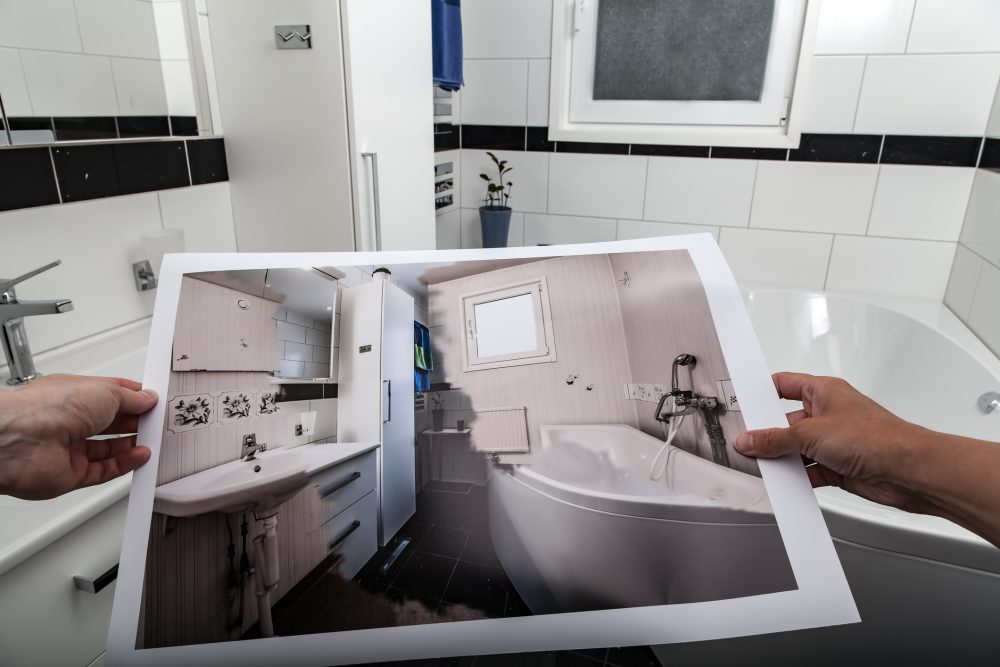
Renovating your home is one of the most meaningful investments you can make — not just in property value, but in how you feel about the space you come home to every day. Whether you’re opening up a kitchen, adding a bathroom, or finally finishing that basement, upgrades have a way of transforming a house into something that truly feels like yours.
But here is what most renovation guides skip over: the walls have secrets.
Behind your drywall, under your floors, and tucked behind cabinets sits a plumbing system that may be decades old. The moment a contractor opens things up, those secrets tend to surface. Plumbing problems are among the most common — and most expensive — surprises homeowners encounter during remodels. Knowing what to expect before you start can save you real money and a significant amount of stress before the project ever begins.
Why Renovations Bring Plumbing Problems to the Surface
Most homes go years, sometimes decades, without a full plumbing inspection. The system you have today may be the original installation — and if your home is more than 20 years old, it is likely carrying wear that normal daily use never surfaces.
Remodeling changes that. Opening walls, relocating fixtures, adding new bathrooms, or upgrading appliances all put new stress on old systems. That stress reveals problems that were quietly building for years. The issue was never that you hadn’t noticed — it’s that nothing had pushed the system hard enough to make the problem visible.
7 Common Plumbing Issues Found During Home Remodels
1. Corroded or Outdated Pipe Materials
Older homes frequently contain plumbing made from materials no longer considered reliable: galvanized steel, polybutylene, or in some cases lead-based fittings. These materials corrode internally, build up scale, and can crack under increased pressure.
When a contractor opens walls during a remodel, corroded pipes become visible — and replacing them mid-project costs significantly more than replacing them in advance.
Scenario 1: A homeowner was mid-way through a kitchen renovation when contractors found severely corroded galvanized pipes behind the sink wall. What was planned as a two-week project extended by a full additional week and several thousand dollars in unplanned pipe replacement — all before the new cabinets could go in.
2. Improper Pipe Sizing or Material Mismatches
Not every plumbing repair made over the years in your home was done by a licensed professional. DIY fixes, previous-owner shortcuts, and unlicensed contractors all contribute to sizing errors and material mismatches. One common example: connecting copper pipe directly to galvanized steel without a dielectric union causes accelerated corrosion at the joint.
These mismatches are invisible until walls open up. Identifying them in advance lets your contractor plan around them rather than stop work and wait for a fix.
3. Leaking Joints and Hidden Water Damage
Slow leaks at pipe joints often cause water damage that goes undetected for years. When renovation work opens those areas, contractors find rotted subfloor, mold-damaged framing, or weakened structural elements that require remediation before new finishes can go in.
Scenario 2: A bathroom remodel in an older home revealed a slow drip behind the shower wall that had been seeping into the subfloor for an estimated two to three years. The plumbing repair itself took an afternoon; the water damage remediation added thousands to the project and delayed completion by eight days.
4. Low Water Pressure or Flow Problems
Adding a bathroom, expanding a kitchen, or installing a new appliance increases demand on your water supply lines. If your existing pipes are undersized for the new load — or already partially blocked by mineral deposits — you will experience pressure problems after the project finishes.
A simple flow assessment before you begin identifies these issues before you build around a system that cannot support what you’re adding.
5. Drain and Sewer Line Blockages
Kitchen expansions and bathroom additions require new drain connections. If existing drain lines are partially blocked by grease buildup, root intrusion, or sediment, connecting new fixtures to those lines worsens the blockage and creates backup problems after the remodel is complete.
Camera inspections of drain lines before a major project are a low-cost way to catch this problem before contractors are already committed to a scope of work.
Scenario 3: A homeowner added a second bathroom without a pre-renovation drain inspection. Within two months of completion, the new toilet was backing up into the original bathroom. A camera inspection found a partial root intrusion in the main line — a problem that existed before the project and would have been caught by a routine inspection.
6. Water Heater Incompatibility
Adding a bathroom, finishing a basement, or installing a dishwasher increases your home’s hot water demand. A standard water heater that served your household well before the renovation may be undersized for the expanded load.
Renovation projects are a natural checkpoint for evaluating whether your water heater needs an upgrade — especially if the unit is already approaching the end of its lifespan.
7. Code Violations and Unpermitted Work
Previous owners sometimes made plumbing changes without pulling permits. When a renovation triggers a required inspection — which many jurisdictions require for projects above a certain value — unpermitted work surfaces and must be corrected before the project can close.
Common examples include improperly vented drain lines, missing cleanouts, and pressure relief valves installed incorrectly on water heaters.
What to Do Before Your Remodel Starts
The most reliable way to avoid mid-project plumbing surprises is to schedule an inspection before the first wall opens. A licensed plumber can assess pipe material and condition in the affected area, check water pressure and flow at current demand, camera-inspect drain lines, identify visible code violations, and provide a written assessment your general contractor can use for budgeting.
This inspection typically costs a fraction of what a single mid-project discovery will add to your overall spend — and it converts unknown risks into known line items before anyone picks up a demo hammer.
Frequently Asked Questions
What is the most common plumbing problem found during a kitchen remodel? Corroded or undersized supply lines and improperly vented drain connections are the most frequent findings during kitchen renovations.
Can I skip a plumbing inspection if my house is relatively new? Homes built in the last 10 to 15 years carry lower risk but are not immune. Unpermitted repairs and DIY work happen in newer homes too.
Does opening walls always require a licensed plumber? Not always, but any work that involves supply lines, drain connections, or water heater changes should be performed or reviewed by a licensed plumber to protect both safety and homeowner’s insurance coverage.
What is a dielectric union and why does it matter in older homes? A dielectric union is a fitting that prevents galvanic corrosion when two different pipe metals are joined. Without it, dissimilar metals corrode rapidly at the connection — a common error in DIY repairs.
How long does a pre-renovation plumbing inspection typically take? Most inspections for a single-family home take one to two hours depending on the scope of the planned renovation and the size of the house.
Will getting an inspection affect my renovation timeline? Only if problems are found — and finding them before the project starts saves time compared to discovering them mid-project when contractors are already on-site.
Do I need separate permits for plumbing work during a remodel? In most jurisdictions, yes. Plumbing permits are typically separate from building permits and are required any time supply lines or drain connections are relocated or added.
Ready to Start Your Renovation on Solid Ground?
Before the first wall comes down, it is worth knowing exactly what your plumbing system can handle. If you are planning a home upgrade in the Durham area, Durham Master Plumbers can assess your existing system, identify potential issues before they become costly surprises, and handle any plumbing work your renovation project requires.
A Home You Love Helps You Love Your Life More
Snag a free workbook and get inspiration on all the ways to love your life even more.
>>Click Here to Discover Additional Strategies for Managing Stress, Anxiety, and Burnout <<
You May Also Find These Articles Helpful
 Mess to Delight: A Home Office Love Story
 Motivation for Clearing the Clutter from Your Home By Knowing Your Personality Type
 Twelve Hidden Reasons Why Working From Home Is NOT Productive For Most People
 Optimize Your Energy: Repair Your Leaks
 Clearing Clutter from Your Home Can Be the Secret to Loving Your Life