
Choosing between artificial and real olive trees involves various considerations such as maintenance, aesthetics, cost, and environmental impact. Each option offers distinct advantages and challenges that can influence decision-making.
Whether you seek long-lasting decor or a natural touch for your space, understanding these factors is crucial. Below, we delve into each aspect to help you make an informed decision.
Comparing Lifespan and Maintenance: Artificial vs. Real Olive Trees
The lifespan and maintenance requirements of olive trees can greatly impact your choice. Artificial olive trees offer longevity and minimal maintenance, remaining vibrant and structured for years without the need for water, sunlight, or pruning.
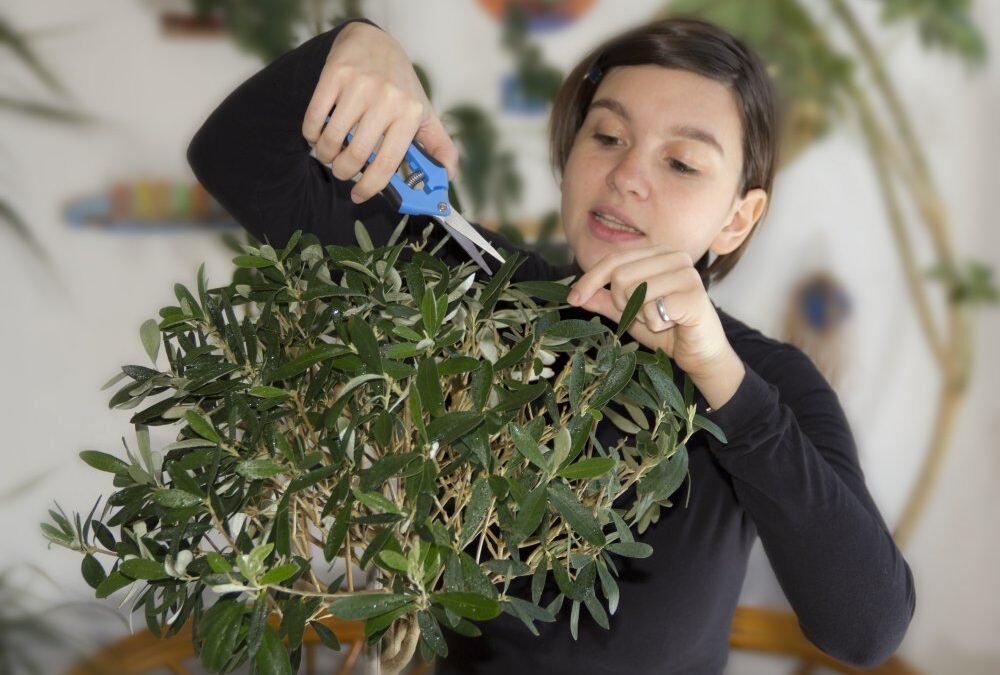
Conversely, real olive trees bring a dynamic element to any space but require more care. They typically need regular watering, sufficient sunlight, and annual pruning to thrive. Factors like climate and soil quality also significantly affect their health and longevity.
To decide which type fits your lifestyle, consider how much time and resources you are willing to invest in plant care. Those looking for low-maintenance options might lean towards artificial varieties, while gardening enthusiasts may prefer the authenticity of real trees artificial olive tree.
Aesthetic Differences Between Artificial and Real Olive Trees
When it comes to aesthetics, the debate between artificial and real olive trees is quite subjective. Artificial trees can be impressively lifelike, often made with high-quality materials that mimic the look and feel of real foliage.
Real olive trees, however, offer a unique beauty that evolves with seasons and over time. They not only look natural but also provide an organic scent and a changing ambiance as they grow and mature. This can enhance the sensory experience of a space significantly.
Assess the visual impact you desire in your environment. If consistency in appearance is key, artificial trees may be the better choice. However, for those who value natural growth and seasonal changes, real trees provide a delightful and evolving aesthetic.
Environmental Impact and Sustainability Considerations
The environmental impact of choosing between artificial and real olive trees is an important factor. Real trees are beneficial for the environment, improving air quality and reducing carbon footprints. They are fully biodegradable and contribute positively to the ecosystem.
Artificial trees, while lasting longer, are typically made from plastics and other synthetic materials which have a higher environmental footprint during manufacturing and are not biodegradable. They do, however, require fewer resources long-term because they do not need watering or fertilizers.
For those prioritizing sustainability, real olive trees are an environmentally friendlier choice. However, individuals living in areas where water is scarce might prefer the low resource requirement of artificial trees sustainability in gardening.
Cost Analysis: Initial Investment vs. Ongoing Expenses
From a financial standpoint, the initial cost and ongoing expenses also play a crucial role in choosing between artificial and real olive trees. Typically, artificial trees require a higher initial investment but incur no significant further costs.
Real olive trees, while generally less expensive to purchase, involve ongoing costs such as water, fertilizer, and potentially higher landscaping bills due to their care needs. Climates that do not naturally support olive trees can significantly raise these costs with the need for additional resources to sustain them.
Calculating the total expected lifespan cost of each option is recommended. Consider not only the purchase price but also the maintenance costs over the expected life of the tree, which may sway your decision towards one or the other home decor investments.
In conclusion, the decision between artificial and real olive trees depends on various factors including maintenance, aesthetics, environmental impact, and cost. Assessing your personal preferences, lifestyle, and values can guide you towards the choice that best suits your needs and space. Choose wisely to ensure that your choice brings enduring satisfaction and benefits.
You May Also Find These Articles Helpful
 Love Your Life Or Change It? Which One Will Bring You Real Happiness? (Hint It’s BOTH)
 Decision Fatigue is Real: Here’s 9 Ways to Deal
 Drink More Water in Winter: Stay Hydrated & Boost Energy
 How Knowing Your Decision Making Process Can Help You Gain Clarity
 Choosing Well: How to Make Good Decisions Even When Life Gets Messy