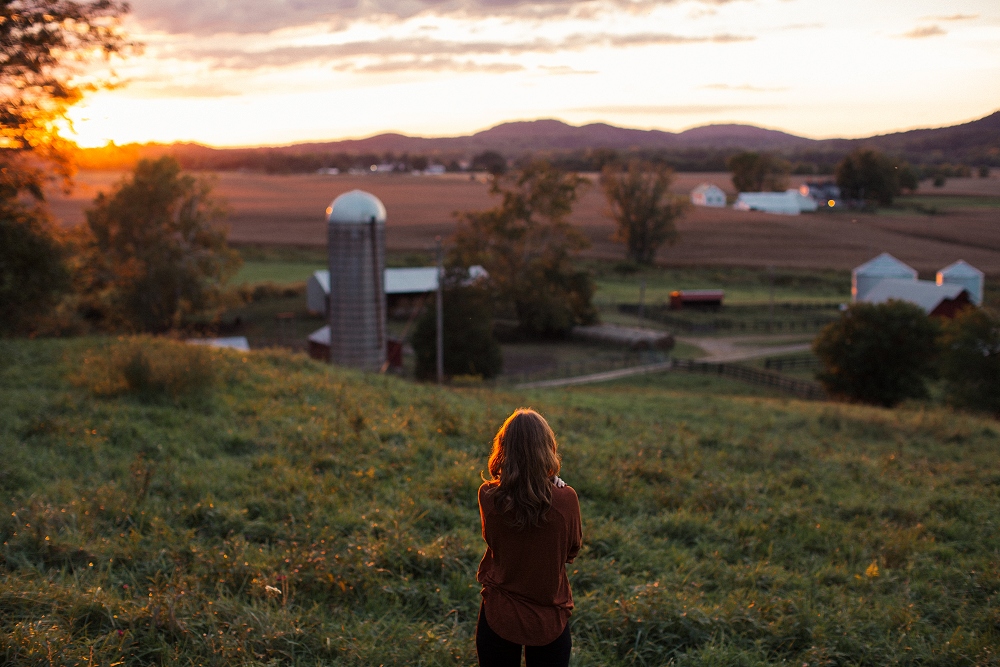
There’s a certain moment that comes with owning rural land when the main house stops being the whole story. At first, it’s enough. A place to live, to gather, to rest. But over time, the land starts asking for more. Not loudly, not all at once, but steadily. A need for storage here, a workspace there, a sheltered corner for animals or tools.
And that’s where outbuildings begin to matter.
Not as afterthoughts, but as extensions of how the land is actually lived on.
Seeing Beyond the Main Structure
It’s easy to think of outbuildings as purely functional. A shed for tools. A garage for equipment. A barn for livestock. But when approached thoughtfully, these structures can do more than solve practical problems. They can shape how a property feels, flows, and evolves over time.
Every outbuilding carries a kind of quiet responsibility. It either integrates with the land or interrupts it.
The difference often comes down to intention.
Where is it placed? How does it relate to the house? Does it respect the natural slope, the prevailing winds, the way sunlight moves across the property?
These questions don’t just belong to architects. They belong to anyone who wants their space to feel coherent rather than pieced together.
Function First, But Not Function Only
Of course, practicality matters. Rural properties demand it. Weather, distance, and daily routines all shape what’s needed.
A workshop close enough to the house to be convenient, but far enough to keep noise and dust contained. A storage building that protects equipment through long winters. A small guest cabin that offers privacy without isolation.
But function alone can make buildings feel temporary, even when they’re not.
There’s value in stepping back and asking a slightly different question. Not just, “What do I need?” but “How do I want this space to feel in five or ten years?”
That shift changes everything.
Materials start to matter more. Orientation becomes intentional. Even small details, like rooflines or window placement, begin to echo the main house or the surrounding landscape.
And slowly, the property starts to feel like a unified place rather than a collection of structures.
Horse Barns as Living Structures
For properties that include horses, the barn becomes something more than a utility. It’s a living structure, one that supports both animals and the rhythms of caring for them.
Designing a horse barn requires attention to details that aren’t always visible at first glance. Ventilation, drainage, stall layout, and access to pasture all play a role in how well the space functions day-to-day.
But beyond function, there’s also a sense of presence.
A well-designed barn feels steady. Grounded. It becomes part of the landscape in a way that feels almost inevitable.
Working with experienced horse barn builders can make a noticeable difference here. Not just in craftsmanship, but in understanding how horses move, rest, and respond to their environment. That kind of insight shapes decisions that might otherwise be overlooked.
And when those decisions are made well, the barn doesn’t just serve its purpose. It enhances the entire property.
Workshops, Studios, and Quiet Corners
One of the most meaningful additions to a rural property is a dedicated space for work or creativity. Not the kind tied to obligation, but the kind that invites focus.
A woodworking shop. An art studio. A writing cabin tucked just far enough away to create separation.
These spaces don’t need to be large. In fact, smaller buildings often feel more personal, more grounded. What matters is how they’re used.
Natural light, for example, can completely change how a space is experienced. A well-placed window can turn a simple structure into somewhere you actually want to spend time.
And then there’s the intangible part. The quiet.
Outbuildings create distance, even if it’s just a short walk across the property. That distance has value. It marks a transition between roles, between tasks, between ways of thinking.
Storage That Respects the Landscape
Storage is often the least glamorous reason to build something new. But it’s also one of the most necessary.
Tools, machinery, seasonal equipment, and firewood. It all needs a place.
The challenge is keeping these structures from becoming visual clutter.
This is where thoughtful design matters most. Simple choices can make a significant difference. Aligning a storage building with existing tree lines. Using materials that weather naturally. Keeping proportions consistent with other structures on the property.
Even something as straightforward as a shed can either feel like it belongs or like it was dropped in without much consideration.
And over time, those small decisions add up.
Guest Spaces That Feel Intentional
Rural properties often attract visitors. Friends, family, and sometimes even short-term guests are looking to experience a different pace of life.
Adding a guesthouse or small cabin can offer both hospitality and privacy. But like any outbuilding, the key is intention.
Too close to the main house, and it can feel crowded. Too far, and it risks feeling disconnected.
There’s a balance to be found.
Design can help bridge that gap. Shared materials, similar architectural details, or even simple pathways can create a sense of connection without sacrificing independence.
And for guests, that experience matters. A thoughtfully designed space feels welcoming in a way that goes beyond convenience.
Letting the Property Evolve Naturally
One of the most important things to remember is that rural properties don’t need to be completed all at once.
In fact, they probably shouldn’t be.
Adding outbuildings over time allows the land to guide decisions. Needs become clearer. Patterns emerge. What seemed essential at the beginning might shift or expand.
There’s patience in that approach.
Instead of forcing a fully realized plan from the start, you allow the property to develop in stages. Each addition becomes a response rather than a prediction.
And that tends to lead to better outcomes.
Building With a Sense of Continuity
At its best, expanding a property isn’t about adding more. It’s about building in a way that feels continuous.
Each structure, whether large or small, contributes to a larger story. Materials repeat. Shapes echo. Pathways connect.
Nothing feels random.
That doesn’t mean everything has to match perfectly. In fact, a little variation can add character. But there should be a thread running through it all, something that ties each piece together.
Because in the end, the goal isn’t just to fill space.
It’s to create a place that feels lived in, understood, and quietly complete.
Do you want to learn how to be happy no matter what life throws your way?
Snag a free workbook and get inspiration .
>>Discover More Ways to Choose Happiness & Yourself<<
You May Also Find These Articles Helpful
 Four Steps to Declutter Your Wardrobe So You Can Reclaim Your Closet
 A Guiding Light: Discover Your Word of the Year for 2026
 Home Organization Tips for Every Myers-Briggs Personality Type
 Unlearning the Ghost: How Childhood Invalidation Still Makes You Feel Invisible
 How to Stay Motivated When It All Feels Hard