
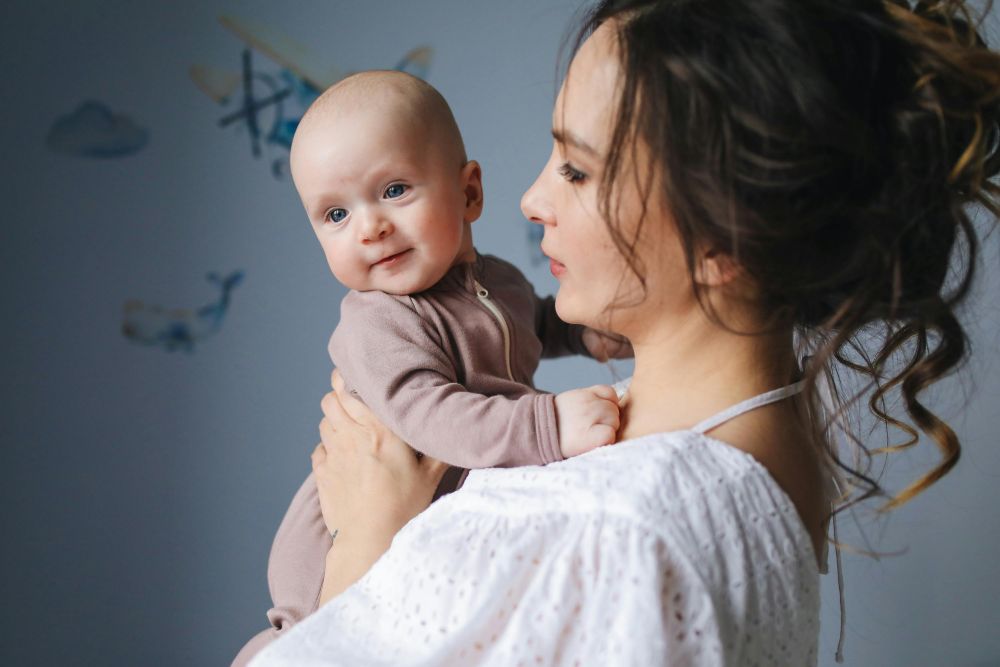
Some nights feel peaceful, while others feel unpredictable. Little ones may settle quickly one evening and resist rest the next. Parents usually look at feeding or bedtime routines first. Yet comfort during rest plays a quiet role too. What a child wears can shape how relaxed they feel. Softness, fit, and breathability influence movement and calm. When babies feel at ease, rest tends to come more naturally. Small choices can quietly shape better nights over time.
This article explores overlooked sleep details that gently support better rest. It examines fabric choices, fit, and practical design features that parents use daily. Each section explains things in a clear and simple way. The focus stays on awareness rather than perfection. When comfort becomes part of the routine, bedtime feels less stressful. These small adjustments can help nights feel calmer for both children and caregivers.
Why Sleepwear Matters for Babies
Young children spend many hours resting each day, which makes comfort essential. Clothing stays in contact with the skin for long periods. If fabric feels rough or heavy, it can cause irritation. That discomfort may lead to frequent movement or wake-ups. Gentle materials help babies feel settled. When sleepwear allows natural movement, rest becomes more peaceful. Comfort supports longer stretches without interruption.
Parents also notice how clothing affects bedtime routines. When dressing feels easy and comfortable, kids stay relaxed. Tight or stiff clothing can cause fussiness before sleep. Over time, these small disruptions add up. Choosing sleepwear thoughtfully helps create consistency. It supports smoother transitions from playtime to rest. Comfort becomes part of the routine rather than a distraction.
Choosing the Right Fabric
Sleep shapes a baby’s mood, growth, and daily comfort. What touches their skin during those long hours matters. Fabric can calm or irritate without warning. Rough textures or poor airflow may disrupt rest. Soft, breathable materials help babies settle more easily. Comfort supports longer, calmer sleep cycles. Parents may notice fewer wake-ups when sleepwear feels right. Small details quietly influence how well a baby rests.
That is why many parents pay closer attention to everyday baby pajamas instead of decorative outfits. Brands like Gerber Childrenswear focus on fabrics that stay soft and breathable. These materials handle frequent washing without losing comfort. Well-designed sleepwear supports consistent bedtime routines. Thoughtful fabric choices can make nights calmer for the whole household.
Fit and Design That Supports Better Rest
Fit plays a larger role than many expect. Sleepwear should feel secure without feeling tight. Clothing that pulls or bunches can disturb rest. Babies move naturally during sleep. Designs that allow gentle movement help prevent discomfort. Proper fit supports relaxation through the night.
Design details also influence how children feel while resting. Simple construction reduces irritation. Parents often overlook small features that improve comfort. Useful design elements include:
-
- Stretchy fabric that moves easily
- Flat seams that avoid rubbing
- Tag-free labels that prevent itching
These features may seem minor. Together, they support calmer sleep and fewer disruptions.
Practical Features That Help Parents
Sleepwear does not just support comfort. It also helps parents during nighttime care. Simple features can reduce effort during diaper changes. When changes feel quick, babies stay calmer. That calm makes it easier to return to sleep. Parents appreciate designs that work with tired hands.
Helpful features parents often value include:
-
- Easy-access snaps or zippers
- Flexible openings for gentle dressing
- Durable fabric that holds shape
These details save time during late-night routines. When changes feel smooth, everyone benefits. Less disruption supports a more peaceful night overall.
Seasonal Sleepwear Considerations
Temperature changes throughout the year affect rest comfort. Young children cannot regulate body temperature easily, so clothing choices need to adjust with the seasons. Lightweight fabrics support airflow during warmer months, while breathable materials help prevent overheating. Small adjustments in sleepwear can make nights feel more settled and predictable.
Parents often focus on a few simple factors when choosing seasonal sleepwear:
-
- Fabric weight that matches the room temperature
- Breathability to avoid excess warmth
- Flexible layering options for quick adjustments
Cooler months require warmth without heaviness. Layered sleepwear helps balance comfort and safety throughout the night. Parents can add or remove layers as needed. Avoiding bulky coverings supports natural movement and steady rest. These thoughtful choices help maintain consistent routines throughout the year.
Final Thoughts
Sleep comfort grows from many small choices. Clothing texture, fit, and design quietly shape rest quality. Parents may not notice the impact right away. Over time, these details influence bedtime ease and night waking. Paying attention to comfort supports better routines.
Thoughtful sleepwear choices do not need to feel overwhelming. Simple awareness leads to better decisions. Comfort-focused details support calmer nights. When babies rest well, caregivers rest better too. These small steps create a smoother sleep experience for the whole household.
Want to learn more tips and tricks for feeling in control of your own life?
Snag a free workbook and get inspiration on all the ways to love your life even more.
>>Click Here to Discover Additional Articles on Strategies to Get Your Life on Track <<