Designing a countryside living space requires more than simply choosing rustic furniture or neutral colors. It involves creating an environment that supports comfort, reflects the natural surroundings, and functions efficiently for everyday life. A well-designed rural home should feel calm, inviting, and timeless, while still meeting modern needs. By focusing on intentional design choices, you can create a space that enhances both your lifestyle and your connection to the outdoors.
1. Prioritize Harmony with the Surroundings
Let Nature Influence Your Design
The foundation of any successful countryside interior begins with its relationship to the surrounding environment. Rather than imposing a style, allow the landscape to guide your decisions. Observe the colors, textures, and overall mood outside your home, and reflect those elements indoors.
Soft, earthy tones such as beige, olive, terracotta, and warm gray work particularly well in rural settings. These colors create a sense of continuity, making the transition between indoor and outdoor spaces feel natural and effortless.
Emphasize Natural Light and Views
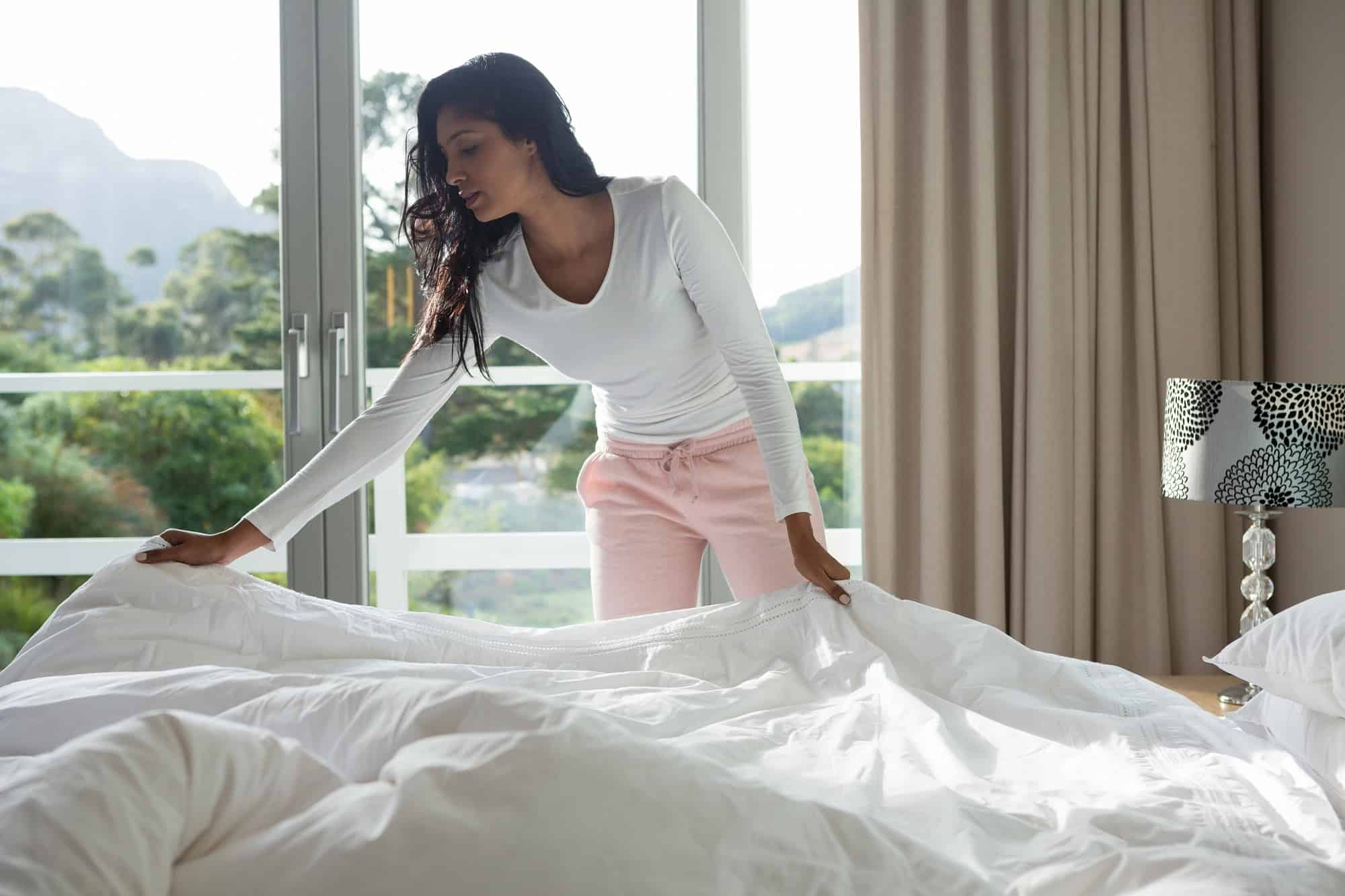
Maximizing natural light is essential in countryside design. Large windows, minimal window coverings, and open layouts help bring the outside in. Arrange furniture so it highlights scenic views rather than obstructing them. This approach not only enhances visual appeal but also fosters a more peaceful and open atmosphere.
2. Choose Materials That Age Well
Invest in Authentic Materials
Natural materials are a defining feature of countryside interiors. Wood, stone, and linen provide texture and warmth while also offering durability. These materials develop character over time, which adds depth and authenticity to the space.
For example, exposed wooden beams, stone accents, and solid wood furniture can create a strong visual foundation. These elements do not go out of style and continue to look better as they age.
Avoid Overly Processed Finishes
Synthetic or overly polished materials often feel out of place in a rural setting. Instead, opt for finishes that highlight the material’s natural qualities. Slight imperfections, grain patterns, and texture contribute to a more genuine and inviting environment.
3. Design for Comfort and Practical Living
Focus on Livable Layouts
Comfort should always be a priority. A countryside home is meant to be enjoyed, not just admired. Create spaces that encourage relaxation by incorporating soft seating, layered textiles, and flexible layouts.
Open living areas that allow easy movement between spaces are especially effective. Whether it is a quiet corner for reading or a shared space for gatherings, each area should feel purposeful and comfortable, with thoughtfully chosen living room art helping define the mood and tie the entire space together.
Address Everyday Needs
Practicality is equally important. Rural living often includes outdoor activities that bring dirt, tools, or equipment into the home. Durable flooring, ample storage, and easy-to-clean surfaces are essential features.
The best country homes strike a balance between comfort and functionality, ensuring the space remains both beautiful and highly usable.
4. Keep the Design Simple and Intentional
Avoid Visual Clutter
Simplicity is a key principle in countryside design. Overloading the space with decorations can take away from its natural charm. Instead of filling every surface, focus on creating a clean and open environment.
A restrained approach allows the architectural features and natural materials to stand out. It also contributes to a calmer, more organized atmosphere.
Select Meaningful Decor
Every decorative element should serve a purpose or carry significance. Handmade items, vintage furniture, and personal pieces add character without overwhelming the space. These details create a sense of authenticity and make the home feel more personal.
Quality should always take precedence over quantity. A few well-chosen items can have a much stronger impact than an abundance of decorations.
5. Create a Strong Indoor-Outdoor Connection
Extend Living Areas Beyond the Interior
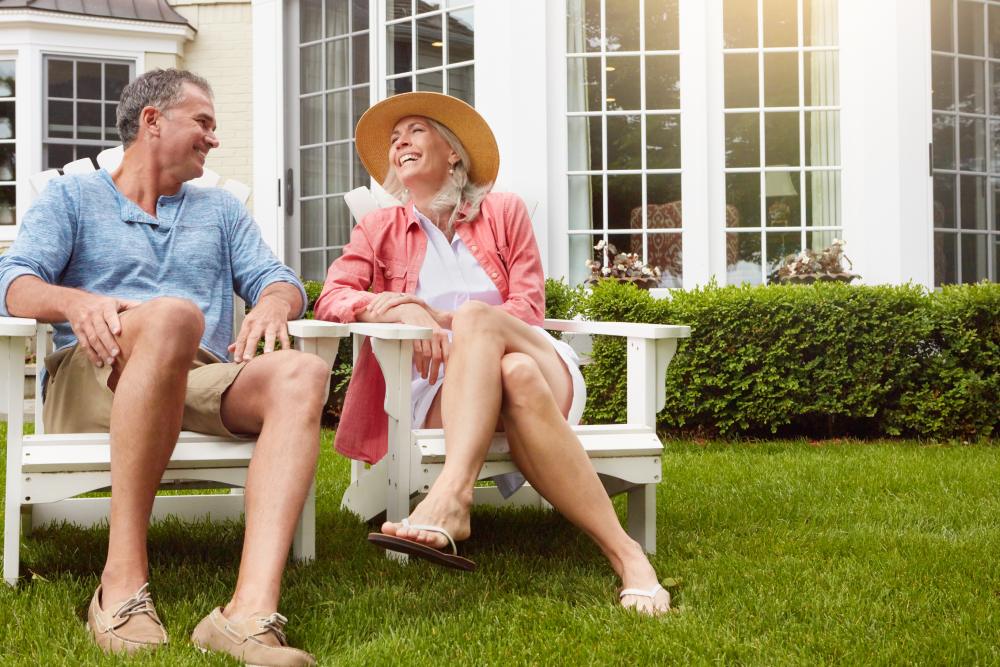
Outdoor spaces are an essential part of countryside living. Designing functional exterior areas lets you fully experience the environment. Patios, porches, or garden seating areas can serve as natural extensions of your indoor living space.
These areas do not need to be elaborate. Even simple, well-placed seating can provide a place to relax and enjoy the surroundings.
Ensure Year-Round Usability
To maximize the value of outdoor spaces, consider how they will be used throughout the year. Features such as covered areas, outdoor lighting, and weather-resistant furniture can make these spaces functional year-round.
A well-designed outdoor area enhances the overall living experience and reinforces the connection to nature.
Conclusion
Creating a cozy and peaceful countryside living space requires a thoughtful balance of design, comfort, and practicality. By aligning your home with its natural surroundings, choosing materials that age gracefully, and maintaining a simple, intentional approach, you can create a timeless, inviting environment.
Ultimately, the goal is to design a space that supports a slower, more relaxed way of living. When each element is carefully considered, the result is a home that feels not only beautiful but also deeply comfortable and enduring.
Want to explore how turning every part of your home into a sanctuary
is about loving yourself and your life?
Snag a free workbook and get inspiration on all the ways to love your life even more.
>>Click Here to Discover Additional Articles on How to Love Your Life <<
You May Also Find These Articles Helpful
 Home Organization Tips for Every Myers-Briggs Personality Type
 You Are Worth Creating Sacred Space
 Optimize Your Energy: Repair Your Leaks
 How to Declutter Without Going Minimalist So Your Home Reflects Your Personality
 Four Deceptively Simple Clearing Clutter Tips That Help You Create Lasting Habits