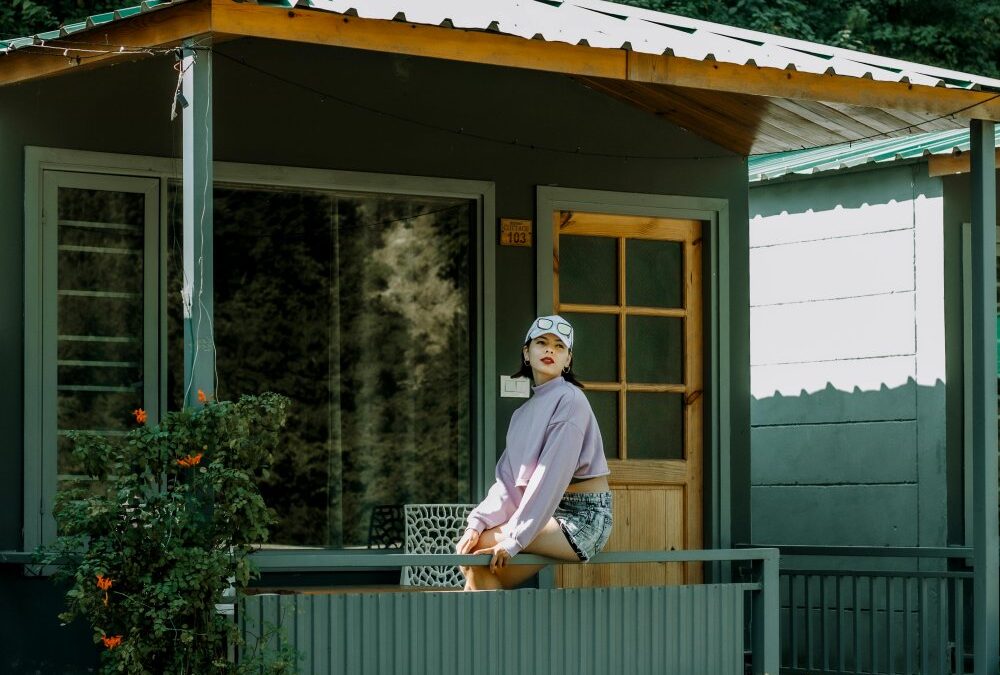
A cottage can make even the most practical buyer emotional. One look at a quiet porch, a tree-lined driveway, a fire pit, or a cozy living room with big windows, and suddenly the mind starts planning slow weekends before the paperwork even begins.
But a cottage is not only a place to relax. It is a property with real responsibilities. It may have a private road, a septic system, a well, seasonal access, weather exposure, insurance requirements, and local rules that can affect how you use it.
A beautiful cottage can absolutely be worth buying. But before you fall for the charm, check these seven things carefully.
1.Can You Reach It Comfortably Year-Round?
The first thing to check is access. A cottage that feels peaceful in summer may become difficult to reach during heavy rain, snow, mud season, or after a storm.
Some cottages sit on public roads. Others depend on private roads, shared lanes, gravel driveways, or seasonal access routes. That difference matters. If the road is private, you need to know who maintains it, who pays for repairs, and whether snow removal is included.
Look closely at:
-
- Road condition
- Driveway slope
- Snow removal responsibilities
- Drainage after rain
- Emergency vehicle access
- Parking space for guests
- Road maintenance fees
A cottage should feel like an escape, not a place you dread driving to when the weather changes.
2. Is the Water Safe and Reliable?
Water is one of the greatest practical details in cottage ownership. Many cottages do not connect to a standard municipal water system. They may rely on a well, lake intake, cistern, rainwater system, or seasonal water line.
Do not assume the water is safe just because the taps work. Ask where the water comes from, how it is treated, and whether recent test results are available.
Important questions include:
-
- Is the water drinkable?
- Has it been tested recently?
- Does the water system work year-round?
- Is there a filtration system?
- Has the well ever run dry?
- Who maintains the pump or treatment system?
- Does the system need winterization?
For cottage owners relying on private water sources, improving water quality is an important part of maintaining a safe and comfortable property. A whole house water filtration system can help provide cleaner water throughout the home for drinking, cooking, and everyday household use. A cottage without a dependable water system can become inconvenient fast if the system is old, poorly documented, or seasonal; factor that into your budget and decision.
3. Has the Septic System Been Properly Maintained?
The septic system is not glamorous, but it can become one of the most expensive parts of a cottage if something goes wrong. A failing septic system can create bad odors, drainage problems, health concerns, and major repair bills.
Before buying, ask for inspection records, pumping history, permits, and the tank and leaching field locations. You should also confirm whether the system matches the number of bedrooms and the way you plan to use the property.
Watch for warning signs such as:
-
- Slow drains
- Sewage smells
- Wet patches in the yard
- Gurgling pipes
- No maintenance records
- Very old septic equipment
- A system that has not been inspected recently
A septic system that works for occasional use may struggle if you plan to host guests often. Be realistic about how many people will use the cottage and how frequently.
4. What Does the Cottage’s Condition Say About Its Maintenance History?
Cottages often deal with harsher conditions than regular homes. They may sit empty for long periods, face heavy rain, snow, humidity, wind, falling branches, pests, and temperature swings. That makes the condition especially important.
Do not let rustic charm distract you from structural concerns. Look at the roof, foundation, siding, windows, deck, railings, stairs, crawl space, basement, and drainage around the property.
Pay attention to:
-
- Roof age
- Foundation cracks
- Rotting wood
- Soft floors
- Musty smells
- Water stains
- Window leaks
- Sagging decks
- Poor grading
- Pest damage
- Mold or mildew signs
A cottage can feel cozy while hiding moisture problems. If you smell dampness, see staining, or notice warped materials, slow down and ask more questions.
5. Does the Cottage Match the Way You Actually Plan to Use It?
This is where many buyers make mistakes. They buy the fantasy instead of the lifestyle.
A cottage for quiet solo weekends is different from a cottage for family gatherings. A seasonal summer place is different from a year-round retreat. A remote property is different from one near restaurants, trails, shops, and medical services.
Think honestly about how you will use the cottage. Will you visit every weekend? Work from there? Invite guests? Rent it out? Use it in winter? Bring pets? Store outdoor gear?
Consider:
-
- Travel time from your main home
- Internet and cell service
- Heating and cooling
- Guest sleeping space
- Parking
- Nearby groceries
- Emergency services
- Privacy
- Noise from neighbors or roads
- Maintenance workload
This is where location becomes meaningful. A waterfront place in Muskoka may suit someone looking for classic lake life, while a cabin near the Finger Lakes may appeal to buyers who want wine country weekends and outdoor recreation. A buyer searching for a cottage in Portland may be looking for something different: a cozy retreat that still keeps them close to city conveniences, local parks, weekend markets, restaurants, and the natural beauty surrounding the Portland area.
In that context, the cottage is not just an escape from daily life. It becomes a balanced base between comfort, nature, and access.
6. What Rules Could Limit Your Plans?
A cottage may feel private, but that does not mean you can do anything you want with it. Local rules can affect renovations, rentals, docks, shoreline work, tree removal, fire pits, additions, parking, and guest structures.
Before buying, confirm what is allowed. This is especially important if your plans include short-term rentals, building a deck, adding a bunkhouse, improving the driveway, installing a dock, or expanding the septic system.
Check rules around:
-
- Short-term rentals
- Zoning
- Building permits
- Dock approvals
- Shoreline protection
- Fire regulations
- Noise bylaws
- Tree removal
- Environmental restrictions
- Guest cabins or additions
Never buy a cottage based only on what you hope to do later. Confirm the rules before you commit.
7. What Will It Really Cost to Own?
The purchase price is only the start. Cottage ownership often comes with costs that are easy to underestimate, especially if the property is rural, seasonal, waterfront, or older.
You may need to budget for septic pumping, well maintenance, road fees, firewood, propane, internet, pest control, dock repairs, winterization, snow removal, tree care, insurance, security, and emergency repairs.
Build a realistic annual budget that includes:
-
- Property taxes
- Insurance
- Utilities
- Heating fuel
- Internet or satellite service
- Road maintenance
- Septic servicing
- Water system maintenance
- Landscaping
- Tree removal
- Pest control
- Winterization
- Repairs
- Furniture and supplies
A cottage should bring peace, but peace is easier to enjoy when the costs are clear.
Cottage Buyer FAQ
1. Is buying a cottage a good investment?
It can be, especially if the location is strong, the property is well-maintained, and the ongoing costs are manageable.
2. What is the highest hidden cost of owning a cottage?
Septic issues, water system repairs, road maintenance, insurance, and weather-related damage are some of the most common surprises.
3. Should I get a cottage inspection?
Yes. A cottage inspection is important because seasonal and rural properties can have issues that are easy to miss during a showing.
4. Can I rent out my cottage?
Possibly, but you need to check local rental rules, zoning laws, insurance terms, and any community restrictions first.
5. What should I check first when viewing a cottage?
Start with access, water, septic, roof condition, drainage, and signs of moisture damage.
6. Is a waterfront cottage harder to maintain?
Often, yes. Waterfront cottages may involve dock maintenance, shoreline rules, erosion concerns, moisture issues, and higher insurance costs.
Final Word
A dream cottage should still make sense when tested. The view matters, but so do the road, water, septic system, structure, rules, location, and real yearly costs.
Before buying, slow down. Ask direct questions. Review the documents. Hire qualified inspectors. Think about how you will actually use the property, not just how it looks in photos.
The best cottage is not simply the prettiest one. It is the one that gives you the escape you want without creating problems you were not prepared to handle.
Your Home is Your Sanctuary
Snag a free workbook and get inspiration on all the ways to love your life even more.
>>Click Here to Discover Additional Articles on How to Love Your Life <<