There is a difference between a space that looks organized and a space that actually works. Many homes appear tidy on the surface, yet still feel chaotic when something important is misplaced or when items begin to pile up again after just a few days. Real organization is not about appearance. It is about control, predictability, and protection.
When your belongings are both organized and secure, daily life becomes noticeably easier. You spend less time searching, less time worrying, and more time using your space as it was intended. The good news is that achieving this does not require complicated systems or constant effort. It comes down to a few simple principles applied consistently.
1. Start With Structure
The most common mistake people make is jumping straight into buying containers, shelves, or organizers without first creating a structure. Without a clear system, even the best storage solutions quickly turn into clutter.
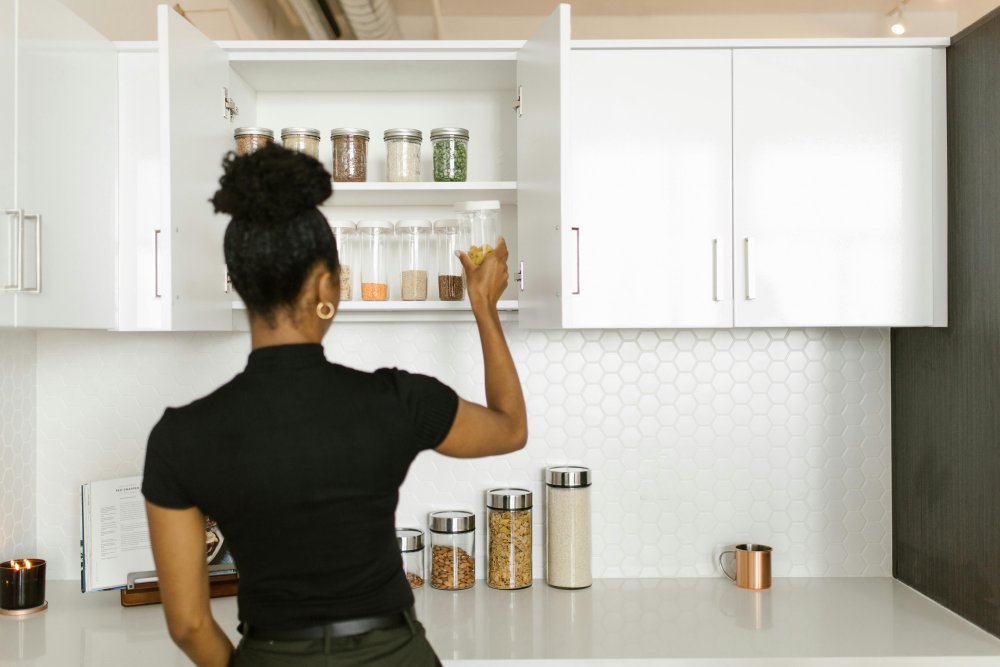
The first step is to define where things belong based on how you use them. Think in terms of function rather than space. For example, items you use daily should live in areas that are easy to access, while things you rarely use should be placed in less visible or less central locations.
Instead of asking “Where can I put this?” ask “Where should this logically live?”
A simple structure might look like this:
-
- Everyday essentials stay within arm’s reach
- Important documents are kept in one dedicated place
- Seasonal or occasional items are grouped and stored separately
Once this structure is in place, everything else becomes easier. You are no longer guessing where things go, which reduces the chances of clutter building up again.
2. Treat Protection as Part of the Organization
Organization is often misunderstood as simply putting things away. In reality, it should also include protecting what you store. Many items are neatly arranged but still exposed to damage over time.
Think about what can affect your belongings when they are not in use. Dust, humidity, heat, and even inactivity can lead to deterioration. Electronics can lose performance, documents can fade or warp, and fabrics can develop odors or mold if not stored correctly.
To avoid this, build layers of protection into your system. This does not have to be complicated, but it does need to be intentional.
Consider simple protective measures such as:
-
- Using sealed containers for sensitive items
- Keeping valuables away from windows or damp areas
- Wrapping fragile items instead of leaving them exposed
- Avoiding overcrowding, which can cause unnecessary wear
The goal is to ensure that your belongings remain in the same condition as when you stored them. An organization should preserve, not just contain.
3. Recognize When Your Space Is No Longer Enough
There comes a point when even a well-organized home starts to feel constrained. This does not necessarily mean your system is failing. More often, it means your needs have simply outgrown the space available. As belongings accumulate over time, even thoughtfully arranged areas can begin to feel crowded and less functional.
When that happens, trying to keep everything in one place usually creates more stress than solutions. Rooms lose their sense of purpose, and items that should be protected end up stored wherever there is room, rather than where they truly belong.
This is a common situation in expanding regions such as Atlanta, Jacksonville, or Montgomery, where changing lifestyles often bring more equipment, seasonal items, or travel-related gear into the home. In these cases, many people begin exploring nearby solutions, including secure storage units in Bainbridge, GA, as a practical way to protect their belongings while keeping their living space manageable.
The goal is not to remove things from your life, but to create a more balanced environment. By moving less frequently used items out of your immediate space, you make room for what you actually use every day, allowing your home to feel more open, functional, and easier to maintain.
4. Build Habits That Maintain Order Over Time
Even the most well-designed system will fail without consistency. Organization is not something you complete once. It is something you maintain through small, repeatable actions.
The difference between a space that stays organized and one that constantly falls back into clutter often comes down to a few simple habits. These habits do not require much time, but they do require consistency.
Effective habits include:
- Returning items to their designated place immediately after use
- Doing a quick weekly check to correct anything out of place
- Letting go of items that no longer serve a purpose
- Keeping important belongings in the same secure location at all times
These actions may seem minor, but they prevent disorder from accumulating. Instead of dealing with large, overwhelming cleanups, you maintain control in small, manageable steps.
Over time, these habits become automatic. Organization stops feeling like a task and starts becoming part of your routine.
Bringing It All Together
Keeping your belongings safe and organized is not about having more space or better tools. It is about understanding how your environment works and making deliberate choices about how you use it.
When you create a clear structure, protect what you store, recognize when to use additional space, and maintain simple habits, you build a system that supports your daily life. This system does not need to be perfect. It needs to be reliable.
A well-organized space does more than look good. It reduces stress, saves time, and gives you confidence that everything you own is exactly where it should be and in the condition you expect.
That is what a true organization looks like. Not perfection, but control that lasts.
You May Also Find These Articles Helpful
 Home Organization Tips for Every Myers-Briggs Personality Type
 Four Deceptively Simple Clearing Clutter Tips That Help You Create Lasting Habits
 10 Simple Ways to Create a Better To Do List That Actually Works
 Tips from Marie Kondo (and Me) on Dealing with Clutter & Tidying Up
 Four Steps to Declutter Your Wardrobe So You Can Reclaim Your Closet