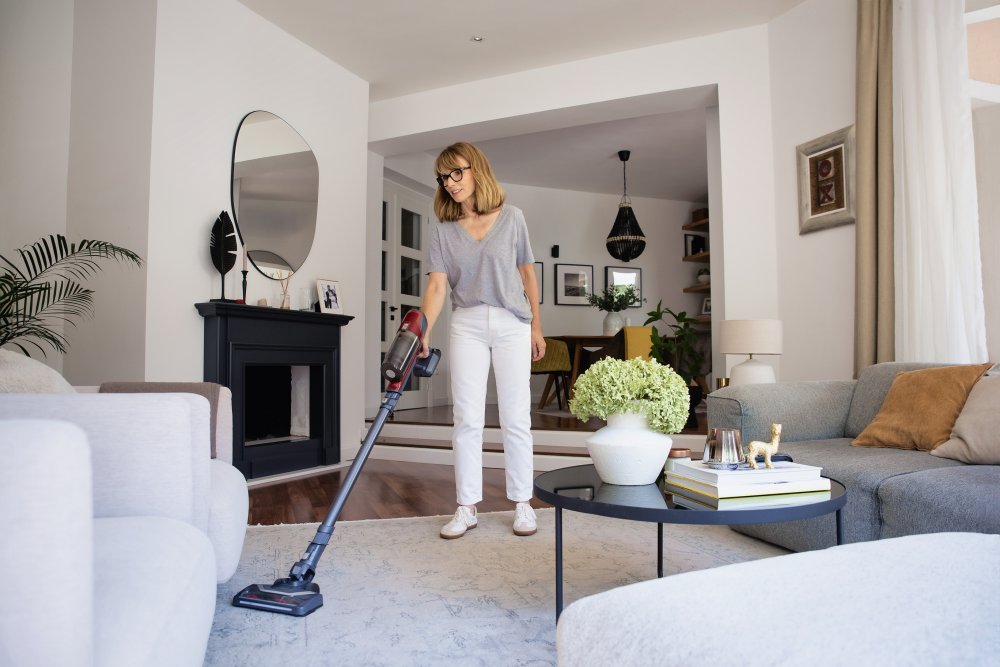
Decluttering and organizing can make a surprisingly big difference in how a home feels to live in. Not because a tidy house makes you a better person, and certainly not because every drawer needs matching containers. But when you’re constantly moving things out of the way, looking for something you know you own, or staring at piles you’ve been meaning to deal with since approximately the last presidential administration, your surroundings start creating work instead of supporting you.
That’s where well-being comes into the picture. A home doesn’t have to be pristine to feel good, but it does help when the spaces you use every day function reasonably well. Clearing some clutter and creating a little order can reduce friction, quiet a few of the visual reminders competing for your attention, and make ordinary routines easier to move through.
One – Clutter Can Create More Work Than You Realize
Clutter has a way of charging a small tax on everything you do. You move three things before setting down the groceries, hunt for the scissors again, shuffle the same stack of mail from one end of the counter to the other, or discover that the chair has quietly stopped being furniture and become an auxiliary closet. None of these things is a crisis, but repeated often enough, they make everyday life more annoying than it needs to be.
Clearing clutter isn’t only about making a room look nicer. It can remove some of those unnecessary steps and decisions that accumulate throughout the day. When you know where something belongs and can actually get to it, the house asks less of you. That may not sound glamorous, but neither is searching six drawers for the tape while muttering words unsuitable for polite company.
Two – An Organized Space Makes Everyday Life Easier
Organization works best when it supports the way you actually live. That might mean keeping the things you use every morning together, giving incoming mail one place to land, or making enough room in the kitchen to cook without first conducting an archaeological excavation. The goal isn’t to create a house worthy of an organizational makeover show. It’s to make ordinary things easier to do.
And this is probably not the moment to buy seventeen matching bins and hope they reveal the meaning of life. Figure out what keeps getting in your way first. Then create a simple home for those things based on how you use them, not on how someone on Instagram thinks a pantry ought to look. Useful organization tends to be far less photogenic and far more helpful.
Three – Your Surroundings Affect Your Attention
Physical clutter can also become a form of mental clutter because unfinished things have a way of catching your eye over and over again. The stack of papers you still need to sort, the bag waiting to be donated, or the pile beside the stairs may only take a second of attention each time you notice it, but those seconds add up. Your brain keeps getting tiny reminders that something still needs to happen.
You don’t have to remove every visible object in the name of inner peace. Homes are supposed to contain evidence that people actually live there. But clearing the things that repeatedly tug at your attention can make a room feel quieter and give your mind fewer open loops to keep track of. Sometimes a cleared counter really is just a cleared counter, and that can be quite enough.
Four – Clearing Things Out Can Help You Notice What Still Fits
Decluttering can also reveal how much of what surrounds you belongs to an earlier version of your life. Clothes that suited another job, supplies for a hobby you no longer enjoy, books you’ve kept out of obligation, or household things that made sense ten years ago can remain long after the life around them has changed. You don’t need to interrogate every casserole dish about its emotional significance, but occasionally the stuff does tell you something.
As you decide what stays, you may notice more clearly what still fits the life you’re living now. That doesn’t mean tossing half the house because you’ve entered a new era. It simply means letting your surroundings evolve with you instead of expecting the current version of your life to squeeze around every choice you ever made.
Five – Let Your Home Support Your Life
There’s no prize for having the least clutter, the most beautifully labeled pantry, or a living room that looks as though no one has ever put down a coffee cup. Homes accumulate things because life happens in them. People cook, read, work, change clothes, bring in mail, start projects, buy groceries, and occasionally leave shoes somewhere deeply inconvenient.
Decluttering and organizing are useful when they create more ease, function, and pleasure in the home you actually inhabit. They’re far less useful when they become another standard you’re supposed to meet perfectly. Your well-being isn’t determined by how little you own or how precisely everything is arranged, but it is easier to feel at home in your own life when your surroundings aren’t constantly making that life harder.
Make Your Home a Little Easier to Live In
You don’t need to spend an entire weekend emptying every closet to feel a difference. Pay attention to the places that create the most friction and begin there. A surface you can use again, a drawer that opens without a fight, or finally dealing with the pile you’ve walked past twenty times can make everyday life feel noticeably easier.
That’s really the value of decluttering and organizing. The goal isn’t a perfect home. It’s a home that works a little better for the people living in it, with enough order to support daily life and enough grace for the fact that somebody will probably leave something on the kitchen counter again by tomorrow.
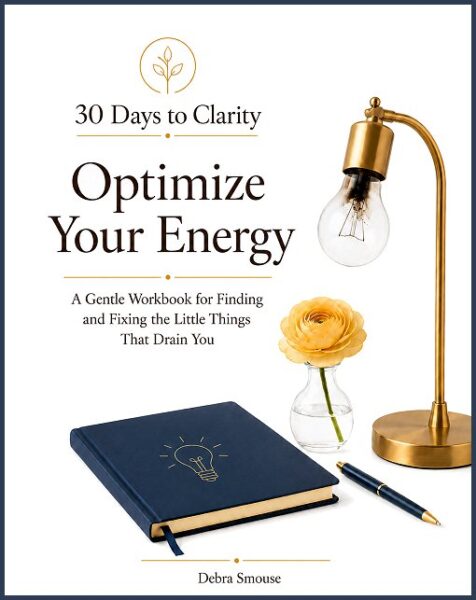 Need a reminder for decluttering and organizing? I can help!
Sign up for 30 Days to Clarity Monthly News, and I’ll send you Optimize Your Energy, my free workbook for finding and fixing the little things that drain you.
You’ll also receive monthly encouragement for clearing clutter for your mind, body, and soul.
You May Also Find These Articles Helpful
 You Can Make Life Blossom by Decluttering and Spring Cleaning
 Forty-Two Inspiring Decluttering, Housekeeping, & Organization Quotes
 Do You Feel Overwhelmed When Cleaning and Decluttering?
 When You Are Feeling Overwhelmed Begin by Clearing Clutter
 Tips from Marie Kondo (and Me) on Dealing with Clutter & Tidying Up