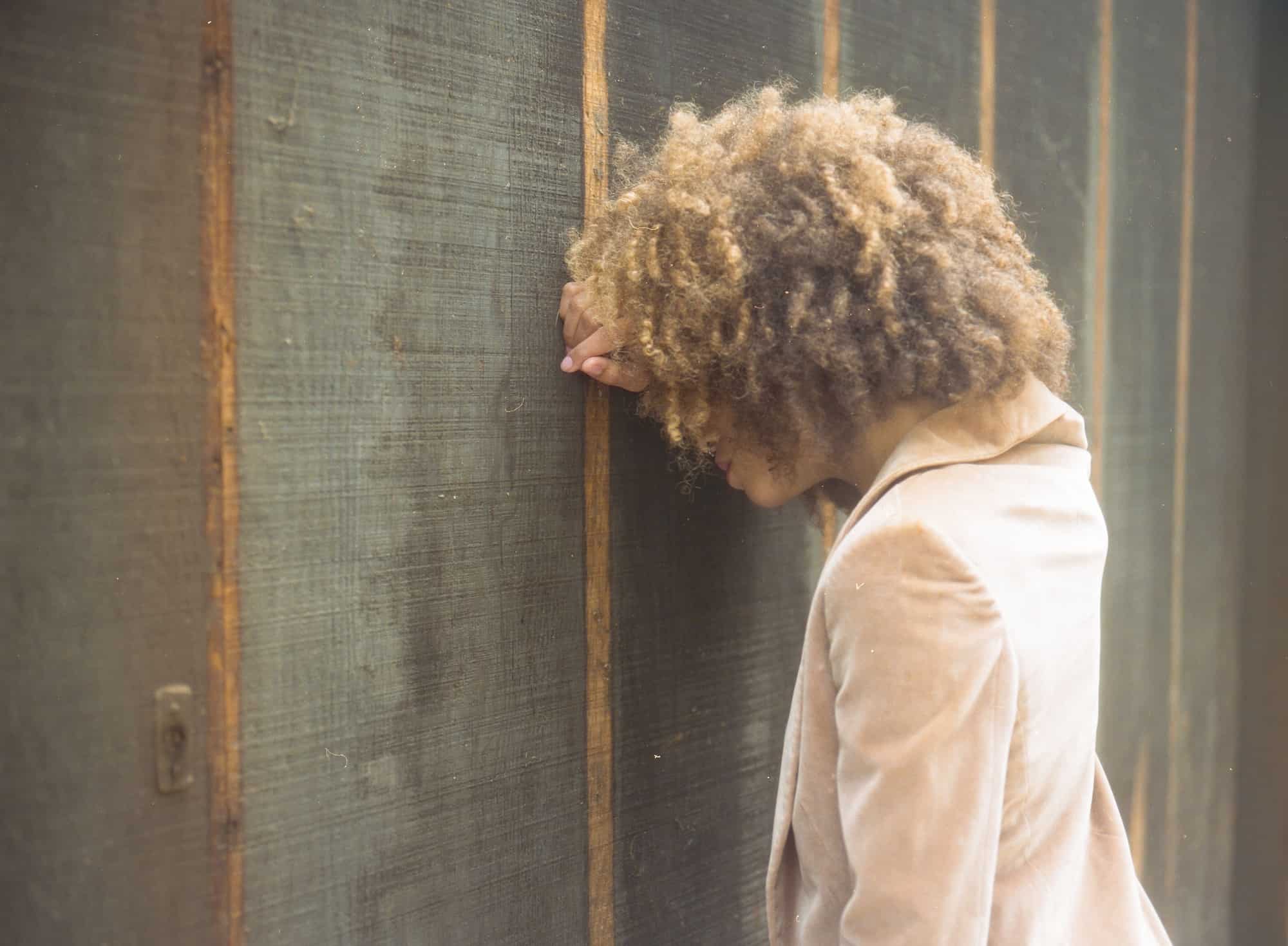

When you witness the lives of others, it can feel beautiful, tender, inspiring, and occasionally like your inner critic just pulled up a chair and ordered appetizers. You’re happy for them. Truly. You love seeing people you care about grow, succeed, heal, create, celebrate, and become more fully themselves. And yet, sometimes their joy brushes up against one of your tender places before you’ve had a chance to get your emotional shoes on.
That’s one of the the tricky parts of being human. We’re meant to see each other. We’re meant to share stories, celebrate good news, sit with hard truths, and remind one another that we’re not doing this life alone. But because we are also carrying our own hopes, disappointments, insecurities, questions, and unfinished chapters, witnessing someone else’s life can stir more than admiration. It can stir comparison, longing, jealousy, grief, and that awful little feeling that says, “Well, apparently everyone else received the instruction manual.”
And darling, if that’s ever happened to you, it doesn’t mean you’re small-hearted. It means you’re human. Being happy for someone else and feeling a little ache inside your own life can happen at the same time. The goal isn’t to shame yourself for the ache. The goal is to understand it, soften around it, and come back to connection instead of using someone else’s beautiful moment as evidence against your own life.
We’re Meant to Witness Each Other’s Lives
Human beings aren’t meant to move through life unseen. A good witness remembers pieces of your story, notices when your voice changes, celebrates the good things without making you shrink them down, and sits beside you when life gets complicated. Being witnessed helps us feel real in the world. It reminds us that our lives matter beyond what we produce, perform, organize, or quietly survive.
The reverse is true too: part of being alive with other people is learning how to witness them. That happens over coffee, on walks, around dinner tables, in text threads, at church, in books, through blogs, in conversations with friends, and yes, even through little squares on the internet where everyone’s living room somehow looks cleaner than ours. Joy, vulnerability, growth, heartbreak, courage, ordinary beauty, messy progress, and the thousand ways people keep becoming all pass in front of us.
There’s something sacred about that, even when it’s ordinary. To listen to someone’s story and say, “I see you,” is no small thing. Letting someone else’s life touch yours without immediately ranking it against your own is a form of love. Good grief, that does not mean it’s always easy.
We Witness More Than We’re Witnessed
One of the strange things about modern life is that we witness far more than we are witnessed. We take in other people’s updates, photos, announcements, wins, milestones, vacations, homes, bodies, businesses, marriages, friendships, outfits, meals, and perfectly angled cups of coffee. Meanwhile, much of our own life stays unshown, unspoken, or tucked behind the scenes with the laundry, the awkward feelings, the boring errands, and the private worries that don’t make for a charming caption.
That imbalance can mess with your head. You may see someone’s polished moment while you’re sitting in the middle of your own unfinished one. You see the launch, not the years of doubt behind it. You see the anniversary post, not the hard conversations. You see the tidy kitchen, not the pile shoved just outside the frame. You see the success, not the support, timing, privilege, help, grief, anxiety, or sacrifices that may have shaped it.
And because you’re witnessing so much, it can start to feel like everyone else’s life is moving forward in bright, organized chapters while yours is still over here with a coffee stain on page three. But you are not seeing the whole book. You’re seeing excerpts. Sometimes beautiful excerpts, sometimes honest ones, sometimes wildly edited ones, but excerpts all the same.
Witnessing Can Turn Into Comparison
Comparison can slip in before you even realize it’s happening. One minute, a friend is sharing good news, and the next your brain is quietly calculating where you stand. Is she farther along? More confident? More loved? More successful? More disciplined? More peaceful? More whatever-you’re-currently-afraid-you’re-not? The comparison machine does not need much fuel, bless its exhausting little heart.
There’s even research behind this human tendency. Social comparison theory explains that people often evaluate their own abilities, progress, and place in the world by comparing themselves to others. Which is a very academic way of saying: no, comparison showing up doesn’t mean you’re broken. Your brain is doing a very human thing. The work is not to pretend comparison never happens. The work is to notice when it has taken over the room and started speaking as if it knows the whole truth.
Left unchecked, comparison usually tells a partial story with great confidence. It compares private doubts to public certainty. It compares the behind-the-scenes mess to someone else’s announcement. It compares one person’s current season to another person’s harvest. And if it runs the whole show, another person’s joy becomes a measuring stick while your own life gets reduced to a list of what’s missing.
Someone Else’s Beauty Isn’t Evidence Against Your Life
Someone else’s beauty, success, marriage, business, body, home, friendship, confidence, or joy is not evidence against your life. It may stir something in you, yes. A longing may get louder. A tender place may ache. A desire you’ve been ignoring may finally tap the glass. But none of that means you’re failing.
This is where tenderness matters. If witnessing someone else’s life makes you feel small, pause before turning that feeling into self-criticism. What is it touching? Grief? Desire? Insecurity? Exhaustion? A dream that’s been waiting for attention? Sometimes comparison is less about the other person and more about the part of you that wants to be witnessed too.
That part of you deserves kindness. Not a lecture. Not a “stop being jealous” slap on the wrist. Not some glittery reminder that “comparison is the thief of joy,” which may be true but also makes you want to roll your eyes when you’re already feeling tender. What helps more is saying, “Something in me is hurting here. Something in me wants attention. Something in me is asking to be seen.”
Let Witnessing Bring You Back to Connection
The point is not to stop witnessing other people’s lives. That would be lonely and weird, and also fairly impossible unless you plan to live in a cave with no Wi-Fi and a very limited social calendar. We need each other’s stories. We need the reminders that life can be beautiful, hard, surprising, ordinary, brave, and ridiculous in more ways than our own experience can hold.
The deeper invitation is to let witnessing bring you back to connection instead of comparison. When someone shares joy, practice letting it be joy. When someone shares vulnerability, practice honoring the trust of that moment. When someone’s life looks beautiful, practice saying, “How lovely,” without immediately adding, “and what does this say about me?” Their story doesn’t have to become a referendum on yours.
And when comparison does show up, because of course it will sometimes, let it become a doorway instead of a wall. Maybe it points you toward something you want. Maybe it reveals where you need more support. Maybe it reminds you that you’ve been witnessing everyone else while forgetting to let your own life be witnessed too. That’s one reason journaling matters. Writing things down gives your private moments somewhere to be seen: the tiny wins, the griefs nobody noticed, the questions you’re carrying, and the small joys that would otherwise disappear into the day. Your life is not only something to manage. It’s something worth noticing, naming, and holding with care.
Journal Prompts for Witnessing Without Comparing
Before moving on, give your own life a little witness too. Not the polished version. Not the version with the good lighting and the tidy explanation. The real one. The one with longing, envy, tenderness, pride, insecurity, gratitude, and whatever else has been quietly asking for a seat at the table.
So grab your journal. These prompts aren’t here to make you scold yourself for comparing. Comparison usually has something underneath it, and sometimes that something is worth hearing. Maybe it’s grief. Maybe it’s desire. A part of you may feel unseen. Your heart may simply be saying, “I want my life to matter too.”
-
- What kinds of lives, milestones, or successes tend to stir comparison in me?
- When I witness someone else’s joy, what story do I sometimes tell about my own life?
- Where am I comparing my private doubts to someone else’s public confidence?
- Who in my life helps me feel witnessed, not evaluated?
- What part of my own life deserves more attention, celebration, or tenderness?
- How can I witness someone else with love without using her story against myself?
Let the page become a place where your own life gets to be seen. Envy may show up. So might admiration, grief, longing, or a desire you’ve been dismissing because it felt inconvenient, too late, too tender, or too much. Let it come honestly. You’re not writing to become a perfectly gracious woman who never has a petty thought. You’re writing to understand what your heart is trying to tell you before comparison turns it into criticism.
Your Life Is Worth Witnessing, Too
When you witness the lives of others, you are participating in one of the tenderest parts of being human. You are seeing people in their joy, their becoming, their uncertainty, their success, their vulnerability, and their ordinary, complicated lives. That kind of witnessing can deepen connection when you let it. It can remind you that nobody is living a perfect life, even if they occasionally have a perfect-looking moment with good lighting.
But your life is worth witnessing too. Not only when it looks impressive. Not only when you have a big announcement, a clean ending, a shiny success, or a story that wraps up neatly. Your quiet efforts matter. Your private healing matters. Your ordinary joys matter. The moments you keep surviving, tending, learning from, and showing up for matter too.
So celebrate people when you can. Let their beauty be beautiful. Let their joy be joy. Let their courage encourage you without turning it into proof that you are behind. And then come back to your own life with gentleness. Let yourself be seen by people who can hold the truth of you. Let your own moments count. Because we are all in this together, yes, but we are not all walking the same path. Witnessing someone else’s life should not make you disappear from your own.
Want to learn more tips and tricks for curating a happier life?
Snag a free workbook and get inspiration on all the ways to love your life even more.
>>Click Here to Discover Additional Articles on Strategies to Get Your Life on Track <<