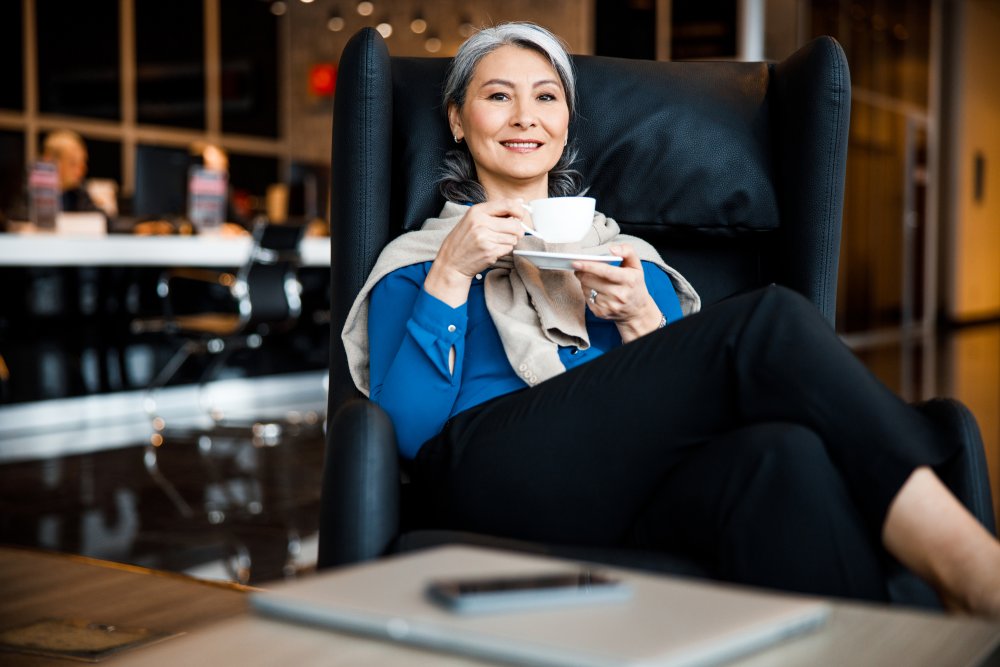
If you’ve ever wondered why some small habits feel indulgent but somehow keep you from falling apart emotionally, you’re not imagining it. Things that seem like luxuries but help emotional health are often the quiet glue that holds us together when life feels messy, stressful, or overwhelming. They don’t always look productive or urgent. They might feel selfish or frivolous. But the truth is, they often make the difference between trudging through life and actually feeling “okay” most days.
We tend to write these habits off because they aren’t flashy or measurable. They aren’t things you can check off a to-do list, or brag about on social media. But when you step back and notice your baseline sense of emotional stability, these small, seemingly indulgent things are usually the ones keeping your nervous system from unraveling.
One – Choosing Physical Movement That Feels Like a Treat
Exercise often gets framed as either a chore or a goal: calories burned, weight lost, or “discipline achieved.” But the kinds of movement that feel indulgent—a slow walk outside, stretching in sunlight, a short dance around your kitchen—have outsized effects on emotional well-being. These are not about performance; they are about releasing tension, reconnecting with your body, and letting your nervous system exhale.
And that’s not to say traditional exercise doesn’t help your emotional health! I’m a huge fan of weight lifting, for example. And I just can’t seem to pass up the rowing machine when I go to the gym. So, exercise you enjoy is one of those things that seem like luxuries but help emotional health. Treating movement as a small pleasure instead of a project can be surprisingly stabilizing.
Two – Sleep Seems Like a Luxury, But It Really Matters
Sleep is the easiest example because it’s so obvious, and yet so many people treat it as negotiable. Staying up late to finish tasks, scrolling endlessly, or pushing through exhaustion feels like part of being “productive” or “adulting,” but the truth is that sleep is the foundation of emotional regulation. Even one night of poor rest can make you more reactive, more anxious, and less able to cope with small stresses that normally wouldn’t faze you.
Prioritizing sleep doesn’t feel urgent, but emotionally it’s critical. It’s not a luxury—it’s basic maintenance. So, challenge yourself to create a winddown routine. One that has you climbing under the covers before 9 PM (or even 8:30 if you’re feeling sassy!)
Three – Finding Connection That Feels Nourishing, Not Obligatory
Friendship, community, or even casual conversation can sometimes feel like a luxury when your calendar is overloaded. But the truth is that real, nourishing connections are emotionally essential. Not the ones you perform for or network through, but the ones where you feel seen, heard, or understood. Even brief moments of genuine connection can reduce anxiety, stress, and the feeling that you’re alone in your life. That’s why social rituals that feel indulgent are often quietly critical.
If you aren’t quite sure where to start on more nourishing connections, try these ideas:
-
- Sit down with your spouse when you both get home from work and talk about your day. No phones in hands. Don’t flip the TV on. Do share a nice beverage.
- Ask your neighbor over for a glass of iced tea and chat.
- Chat with the checkout person at the grocery store. Better yet, make a point to go to the same checkout person every time and really get to know them.
Four – And Spending Time Alone Without Feeling Guilty
Alone time often feels like a guilty indulgence, like you’re “wasting time” instead of being social or productive. But quietly, time spent alone gives your brain space to process experiences, notice patterns, and calm down. It’s the kind of mental reset that keeps you from snapping at small annoyances or spiraling over things that feel huge at the time.
In our fast-paced life, intentional solitude is one of those things that seem like luxuries but help emotional health. Even twenty minutes to read, walk, or just sit with your thoughts can make the difference between feeling frazzled and actually feeling okay with yourself.
Five – Saying No Without Explaining Yourself May Seem Like a Luxury
Boundaries are a classic “luxury” people resist because they feel selfish or inconvenient. But protecting your time and energy is essential for emotional stability. This is why firm boundaries is one of those things that seem like luxuries but help emotional health. Saying no doesn’t make you a bad person; it gives you space to be more present for yourself and others when it matters.
People who regularly enforce boundaries often report feeling less depleted, less anxious, and more in control of their emotional state. What feels luxurious—turning down invitations, skipping extra obligations—is often exactly what keeps your baseline calm. You don’t need to explain yourself to everyone, darling.
Six – Indulging in a Little Something That Brings You Pleasure
It doesn’t have to be expensive, showy, or Instagrammable. Maybe it’s a cup of good coffee in the morning, lighting a candle at night, or wearing a sweater that makes you feel comfortable. These small rituals are often dismissed as luxuries, but they serve a bigger emotional purpose: they anchor you to moments of enjoyment, pleasure, or normalcy. Life’s stress feels a little lighter when you have tiny, consistent touchpoints that feel good on a human level.
The things that feel like luxuries are often the ones your emotional health actually relies on.
Sleep, alone time, small pleasures, boundaries, mindful movement, and nourishing connections—they may not feel urgent, and they may even make you feel a little guilty for prioritizing them. But they are the quiet anchors that keep your nervous system regulated, your mood stable, and your sense of self intact.
The takeaway isn’t to pile more “self-care” onto your plate or chase Instagrammable rituals. It’s to notice the small, seemingly indulgent choices you make—or could make—that genuinely support feeling okay on a regular basis. Sometimes the luxuries you think are optional are the ones that matter most.
Caring for Yourself Will Always Help You Love Your Life
Snag a free workbook and get inspiration on all the ways to love your life even more.
>>Click Here to Discover More Ways to Love Yourself and Your Life <<