
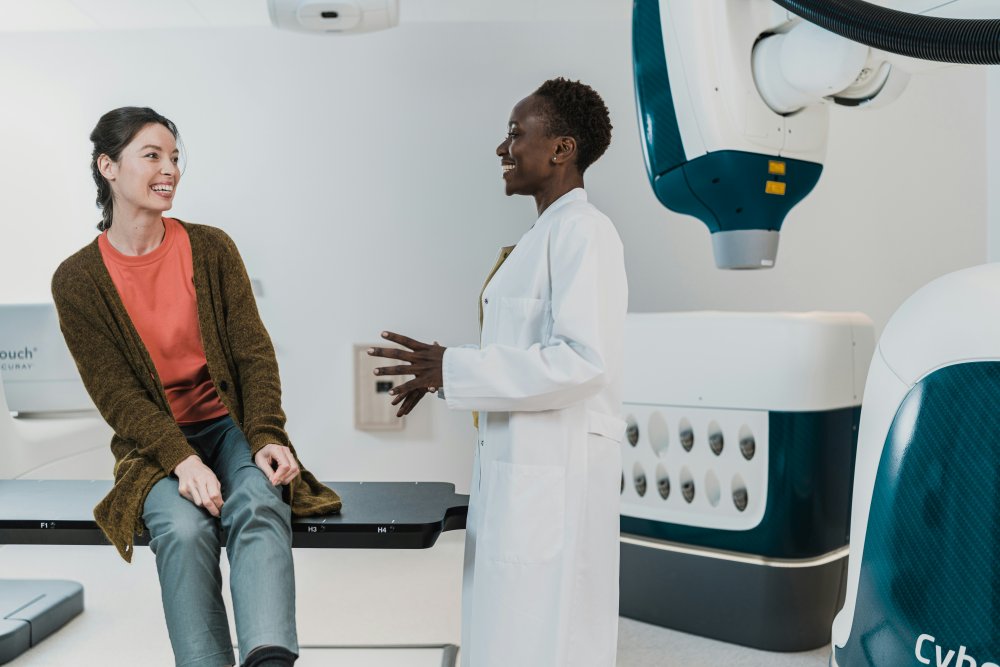
Securing a job offer within the competitive Australian market is a significant milestone. However, for many roles, particularly in high-intensity sectors like healthcare, logistics, manufacturing, and community services, one final, vital hurdle remains before day one: the physical assessment. For returning parents, individuals with disabilities, or international students entering the local workforce for the first time, receiving a request for a physical screening can trigger unnecessary anxiety.
Far from being an exclusionary gatekeeping tool, a structured pre-employment medical is an objective alignment mechanism. Employers do not use these assessments to uncover reasons to reject a candidate; rather, they use them to ensure an individual’s current physical capabilities safely match the inherent requirements of their new role. Understanding this process shifts the narrative from clinical interrogation to workplace safety optimization.
Demystifying the Assessment: What is Included?
A pre-employment medical is a comprehensive health assessment tailored specifically to the risk profile of a target industry. While an office-based corporate role might require minimal evaluation, sectors involving manual handling, driving, or vulnerable client care demand rigorous screening.
Depending on the risk profile, a typical assessment includes several core components:
-
- Functional Capacity Evaluation: This measures your physical strength, joint range of motion, grip strength, and lifting technique to ensure you can safely manage the physical demands of the job.
- Biometric & Cardiovascular Screening: A baseline check of blood pressure, heart rate, and body mass index (BMI) to evaluate overall cardiovascular resilience.
- Vision and Hearing Audits: Critical tests for roles in logistics, machinery operation, or care environments where sharp sensory awareness directly impacts safety.
- Respiratory Function Tests (Spirometry): Essential for environments with potential exposure to airborne dust, chemicals, or allergens.
- Drug and Alcohol Screening: Often mandated in safety-critical sectors to maintain a zero-harm environment.
The Regulatory Driving Force: Why Employers Demand It
In Australia, workplace health is governed by strict statutory frameworks. Under the Work Health and Safety (WHS) Act, employers maintain a strict duty of care to provide a safe working environment for all employees, contractors, and clients. Failing to verify an employee’s “fitness for duty” before placing them in a physically demanding role exposes an organization to massive legal, financial, and operational risks.
Definitive data backs the economic logic behind these assessments. According to Safe Work Australia’s National Data Set, work-related injuries and illnesses cost the Australian economy billions annually, with body stressing and manual handling remaining the leading causes of serious workers’ compensation claims. By executing a targeted pre-employment medical screening, businesses can dramatically reduce incidence rates, safeguard their team, and lower insurance premiums.
Which Industries Commonly Require Pre-Employment Medicals?
While health assessments can occur in many sectors, they are particularly common where safety is critical.
Industries Frequently Requiring Assessments:
-
- healthcare and aged care
- disability support services
- mining and resources
- construction
- manufacturing
- transport and logistics
- emergency services
- community care
In these environments, employers need confidence that workers can safely manage the physical and practical demands of their roles.
The Reality of Workplace Injuries: Why Screening Matters
| Injury Indicator / Driver | Statistical Reality | Impact Level |
| Primary Cause of Claims | Body stressing (musculoskeletal disorders from lifting/handling). | ~36% of all serious claims. |
| High-Risk Sectors | Health Care, Social Assistance, Transport, Warehousing. | Highest concentration of claims. |
| Prevention ROI | Early functional screening reduces onboarding injury rates. | Up to 50% reduction in year-one injuries. |
Key Insight: The Preparation Advantage
You cannot “fail” a medical check based on a lack of fitness alone; you receive a profile matching your current capacity. If a job seeker uncovers a functional limitation during their assessment, they can actively address it. Partnering with a specialised skills for education and employment program or a workforce readiness provider allows candidates to build their strength, upgrade their digital literacy, and master the exact functional skills required to clear industry screenings easily.
Practical Action: How to Prepare for Your Assessment
To ensure your assessment yields an accurate, positive reflection of your workplace readiness, follow this clear preparation blueprint:
- Arrive Rested and Hydrated: Avoid caffeine, high-sugar energy drinks, and intense workouts for 24 hours prior, as these can artificially spike your blood pressure and heart rate.
- Disclose Honestly: Bring a complete list of any current medications, prescription glasses, or relevant medical histories. Transparency builds trust and assists doctors in recommending appropriate workplace adjustments.
- Wear Functional Attire: You will be asked to perform physical movements like squatting, lifting, and bending. Wear comfortable, loose-fitting sports clothing and enclosed footwear.
Why This Matters in Care and Support Roles
The importance of health assessments becomes particularly clear in sectors such as aged care and disability support.
Workers in these fields regularly perform tasks including:
-
- assisting with mobility
- supporting transfers and positioning
- helping clients with daily living activities
- responding to changing support needs
Training programs that prepare individuals for these careers often include practical learning in:
-
- manual handling
- workplace safety
- infection control
- person-centred support
A pre employment medical complements this training by confirming that individuals can safely apply these skills in real workplace settings.
Conclusion: A Safer Start for Everyone
A pre employment medical is far more than a recruitment checkpoint.
It helps employers create safer workplaces, supports informed hiring decisions, and ensures workers enter roles that align with their capabilities.
For candidates, the process offers reassurance that they are stepping into a position where they can perform safely and successfully. For employers, it forms part of a broader commitment to workplace health, safety, and long-term workforce sustainability.
In a labor market increasingly focused on wellbeing and risk management, pre-employment medicals have become an important step towards building stronger, safer, and more successful workplaces for everyone.
Your career contributes to loving your life even more.
Snag a free workbook and get inspiration on all the ways to love your life even more.
>>Read more Career Advice from a Life Coach that’s Reinvented Herself Multiple Times<<
You May Also Find These Articles Helpful
 How Decision Making Affects Performance in Every Area of Your Life
 Set Authentic Priorities for Your Life by Defining all the Roles You Fill
 7 Habits to Strengthen Your Romantic Relationship (Without Losing Yourself in the Process)
 Anger Is Not Always the Villain You Think It Is
 Myers-Briggs Relationships: Improve Love & Compatibility